Orthodox Holy Saturday
Greece, Russia, Serbia, Bulgaria, Romania, Ukraine, Georgia, Cyprus, Moldova, North Macedonia
About
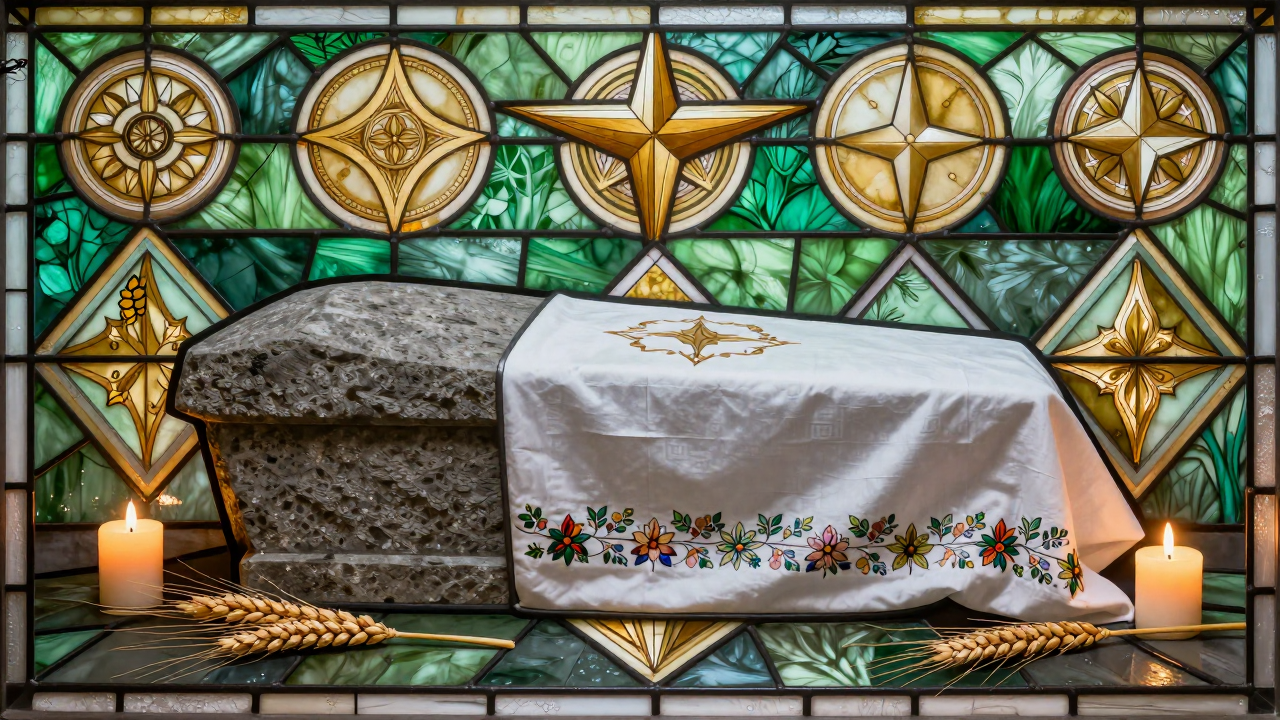
Orthodox Holy Saturday, observed on March 27, marks a profound moment in the Christian calendar, particularly for Orthodox Christians. This day falls within Holy Week, the sacred period leading up to Easter, and it serves as a time for reflection and anticipation. On this solemn day, believers commemorate the burial of Jesus Christ and His descent into Hades, where He brings salvation to the righteous who had died before His resurrection. It is a day steeped in tradition and rich in spiritual significance, inviting the faithful to pause and prepare their hearts for the joyous celebration of Easter Sunday.
As families and communities gather, the atmosphere is filled with reverence and hope. Many Orthodox Christians participate in church services that include the reading of the Gospel and the singing of hymns that reflect on Christ’s sacrifice and the promise of His resurrection. The lighting of candles symbolizes the light of Christ overcoming the darkness of death, reminding worshippers of the hope and renewal that Easter brings. This day serves as a bridge between sorrow and joy, encouraging the faithful to embrace the transformative power of resurrection in their lives. As March 27 approaches, many look forward to this pivotal moment that sets the stage for the jubilant celebration of Easter, fostering a sense of unity and shared faith among believers.
History
Orthodox Holy Saturday, observed on March 27, is a significant day in the Eastern Orthodox Christian calendar, marking the culmination of Holy Week and the day before Pascha (Easter). The origins of this observance are deeply rooted in the early Christian traditions, where the day is dedicated to commemorating the entombment of Jesus Christ and his descent into Hades. This observance has its basis in the events described in the Gospels, particularly in the accounts of Jesus being laid in the tomb and the subsequent events leading to the Resurrection.
Over time, Orthodox Holy Saturday has evolved from a purely somber observance reflecting the mourning of Christ’s death into a day filled with anticipation and hope as the faithful prepare for the joyous celebration of the Resurrection. The liturgical services on this day are rich with symbolism, including the reading of the Psalms, the chanting of hymns, and the lighting of candles, all culminating in the midnight Paschal vigil. This transition from mourning to joy reflects the central themes of salvation and the victory over death, which are core to Orthodox theology.
Culturally, Orthodox Holy Saturday holds profound significance for the Orthodox Christian community. It is a day of reflection and preparation, where believers engage in fasting and prayer, seeking spiritual renewal as they await the Resurrection of Christ. The rituals and observances of this day vary across different cultures within the Orthodox tradition, often incorporating local customs and practices. For instance, in some regions, the faithful may participate in a procession or gather for communal meals, reflecting the communal nature of the celebration that follows.
As March 27 approaches each year, Orthodox Christians around the world prepare for this holy observance, which serves as a reminder of the deep spiritual significance of Christ's sacrifice and the promise of eternal life. The day embodies a journey from despair to hope, encouraging believers to reflect on their faith and the transformative power of the Resurrection. Through centuries of tradition and devotion, Orthodox Holy Saturday remains a cornerstone of the Orthodox liturgical calendar, deeply rooted in the faith and culture of its adherents.