Black Saturday
Philippines, Australia, United Kingdom
About
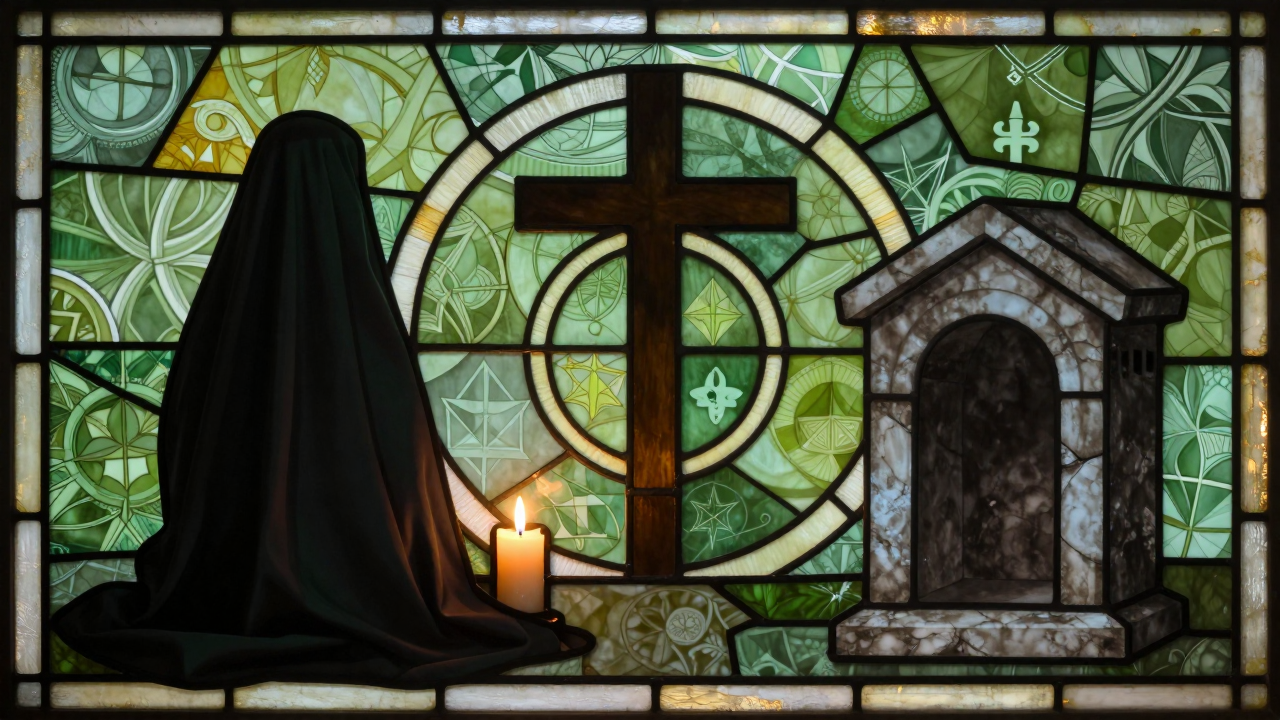
Black Saturday, observed on March 27, is a day that invites reflection and remembrance, particularly in the context of the Christian faith. This observance is traditionally seen as a time to pause between the solemnity of Good Friday and the joy of Easter Sunday. It serves as a reminder of the profound themes of sacrifice, hope, and renewal that are at the heart of the Easter celebration. On this day, many people take the opportunity to reflect on the significance of these themes in their own lives, fostering a deeper understanding of faith and community.
As families and friends come together, Black Saturday also encourages acts of kindness and service, echoing the spirit of togetherness and compassion that Easter embodies. Many engage in activities such as preparing for Easter festivities, sharing stories, and participating in community events that highlight the importance of unity and love. Whether through quiet contemplation or vibrant gatherings, March 27 becomes a canvas for expressing gratitude, fostering connections, and embracing the transformative power of hope that lies just around the corner with the celebration of Easter.
History
Black Saturday, observed annually on March 27, has its origins rooted in a period of tragic events that affected communities, particularly in Australia. The term "Black Saturday" is most commonly associated with a series of devastating bushfires that occurred in Victoria on February 7, 2009. These fires resulted in the loss of 173 lives, widespread destruction of property, and significant ecological damage. The observance of Black Saturday serves as a solemn reminder of the resilience and courage displayed by communities in the face of disaster, as well as a day to honor those who lost their lives and were affected by this catastrophe.
Over time, Black Saturday evolved from a commemoration of a specific event to a broader observance that highlights the importance of disaster preparedness and community support in times of crisis. Initially focused on the immediate aftermath of the 2009 fires, the observance has grown to encompass discussions about climate change, fire safety, and the necessity for effective emergency response systems. As communities come together each year, they reflect on the lessons learned from the past and emphasize the need for vigilance in protecting life and property in the face of natural disasters.
Culturally, Black Saturday holds a significant place in the hearts of many Australians. It is not just a day of remembrance but also a time for solidarity and unity among those affected by bushfires and other natural disasters. Various activities are organized, including memorial services, community gatherings, and educational programs aimed at raising awareness about fire safety and the impact of climate change. The observance encourages a spirit of resilience and recovery, as communities continue to rebuild and support one another in the aftermath of such tragedies.
In summary, Black Saturday, observed on March 27, serves as a poignant reminder of the impacts of natural disasters and the importance of community resilience. It has evolved over the years from a memorial of a specific tragedy into a broader observance that emphasizes preparedness, support, and the collective strength of communities facing adversity. As the day approaches each year, it invites reflection on the past while fostering a commitment to a safer, more prepared future.