Holy Saturday
Italy, Spain, Philippines, Mexico, Argentina, Brazil, Colombia, Peru, Venezuela, Chile
About
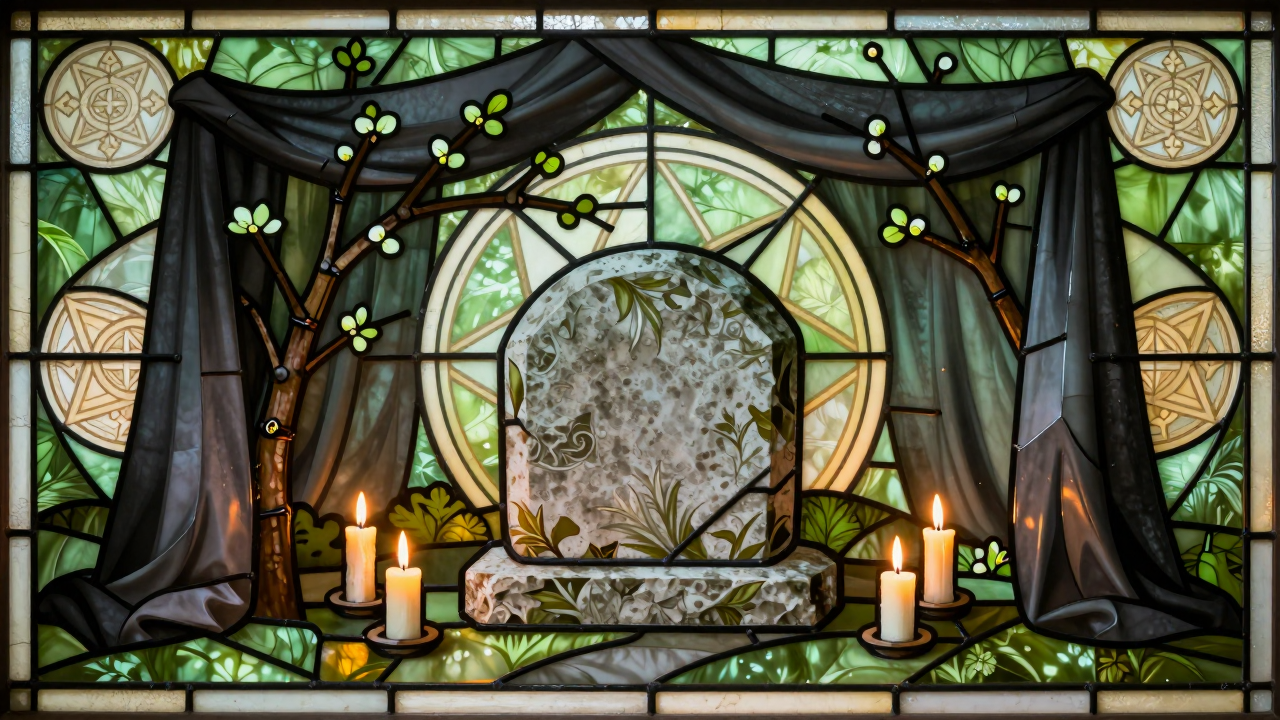
Holy Saturday, observed on March 27, is a profound day in the Christian liturgical calendar, nestled between Good Friday and Easter Sunday. This day holds a special significance as it commemorates the time Jesus spent in the tomb after his crucifixion, serving as a moment of reflection and anticipation for the resurrection. For many, Holy Saturday is a time to embrace the quiet stillness of the day, as communities and families prepare for the joyous celebration of Easter, which follows.
Traditionally, Holy Saturday is marked by various customs and rituals aimed at honoring this sacred pause. Many Christians participate in the Easter Vigil, a beautiful service that takes place after sunset, where they gather to light candles, sing hymns, and hear readings that recount salvation history. This observance invites individuals to engage in contemplation, fostering a sense of hope and renewal as they await the celebration of Christ’s resurrection. As families come together to reflect on the significance of this day, Holy Saturday serves as a gentle reminder of the transformative power of faith and the promise of new beginnings.
History
Holy Saturday is a significant day in the Christian liturgical calendar, observed on March 27. It marks the final day of Holy Week, the week leading up to Easter Sunday, and is a day of reflection and preparation for the celebration of the resurrection of Jesus Christ. The origins of Holy Saturday can be traced back to the early Christian church, where it was recognized as a day of mourning and vigil. This observance stems from the biblical accounts of Jesus’ crucifixion and burial, highlighting the period of waiting between His death and resurrection.
Historically, Holy Saturday was a day of fasting and silence, as Christians commemorated the time Jesus spent in the tomb. In the early church, it was often a day of preparation for the Easter Vigil, which would take place in the evening. This vigil, one of the most ancient liturgical celebrations, included the lighting of the Paschal candle, symbolizing Christ as the light of the world. Over time, the observance of Holy Saturday evolved to include various rites and traditions, such as the blessing of the baptismal water, which connects the themes of death and resurrection with the sacrament of baptism.
Culturally, Holy Saturday holds deep significance in many Christian communities. It serves as a somber reminder of the sacrifice made by Jesus and the hope that His resurrection brings. In various denominations, observances may include special liturgies, meditative practices, and family gatherings. For instance, in the Roman Catholic Church, the Easter Vigil is celebrated on the evening of Holy Saturday, marking the transition from darkness to light, from death to life. This event is not only a pivotal moment in the church calendar but also a time for communities to come together in faith.
As Holy Saturday continues to be observed on March 27, it remains a day of reflection, anticipation, and hope within the Christian tradition. The evolution of its practices and observances reflects the enduring significance of the themes of sacrifice and resurrection that resonate through the centuries, making it a vital part of the Easter celebration for Christians around the world.