Easter Saturday
Australia, New Zealand, United Kingdom, Canada, Germany, South Africa, Ireland, Sweden, Norway, Finland
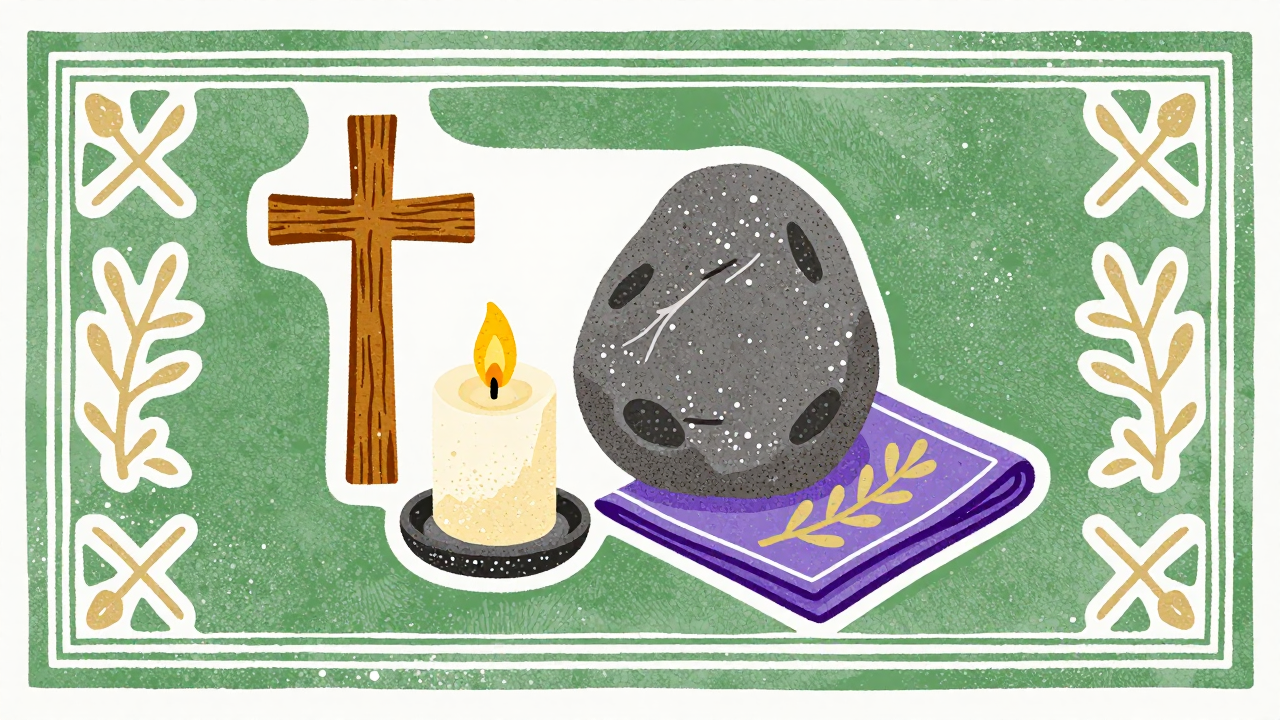
About
Easter Saturday, observed on March 27, is a day that holds a special place in the hearts of many around the world. Nestled between Good Friday and Easter Sunday, it serves as a poignant reminder of reflection and anticipation. This day is often viewed as a time of quiet contemplation, as it marks the period after the crucifixion of Jesus Christ and before the joyous celebration of His resurrection. For Christians, it is a moment to pause and remember the significance of the events that unfolded during Holy Week, creating a bridge between sorrow and the promise of new life.
Traditionally, Easter Saturday is also a time for families and communities to gather together. Many engage in various customs, including the preparation of Easter meals and the decoration of eggs, which symbolize rebirth and renewal. In some cultures, this day is filled with vibrant activities, such as egg hunts and communal festivities, as people look forward to the joy of Easter Sunday. Whether through solemn reflection or festive gatherings, Easter Saturday invites individuals to embrace the spirit of hope, love, and renewal that is central to the Easter celebration.
History
Easter Saturday, observed on March 27, is the day following Good Friday and precedes Easter Sunday in the Christian liturgical calendar. This observance is rooted in the events surrounding the Passion of Christ, commemorating the day when Jesus lay in the tomb after his crucifixion. The historical origins of Easter Saturday can be traced back to early Christian traditions, which established a period of mourning and reflection on the death of Jesus before the joyous celebration of his resurrection on Easter Sunday. The significance of this day lies in its role as a transition from sorrow to hope, marking the final moments of Jesus’ earthly life before the triumphant resurrection.
As Christianity spread throughout the Roman Empire and beyond, the observance of Easter Saturday began to evolve. By the 4th century, the practice of holding a vigil on this day became common, where Christians would gather for prayer and reflection, often leading into the Easter Sunday celebrations. This vigil, known as the Paschal Vigil, was an important ritual that included the lighting of the Paschal candle, symbolizing the light of Christ overcoming darkness. The practices surrounding Easter Saturday continued to develop, with various denominations incorporating unique customs such as fasting and preparation for the Easter feast.
Culturally, Easter Saturday holds significance across different Christian communities around the world. In many traditions, it is a day of rest and quiet reflection, allowing believers to prepare their hearts for the joyous celebration of Easter Sunday. In some countries, it is customary to participate in various activities such as decorating eggs, which symbolize new life and resurrection. Additionally, this day is often viewed as an opportunity for families to come together and prepare festive meals in anticipation of Easter Sunday, fostering a sense of community and shared faith.
Overall, Easter Saturday is a day rich in historical and cultural significance within the Christian tradition. Observed on March 27, it serves as a poignant reminder of the somber events leading up to Easter Sunday, while also embodying themes of hope and renewal. As practices surrounding Easter Saturday continue to be celebrated and adapted, the essence of the day remains focused on reflection, preparation, and the anticipation of the joyous resurrection of Christ.