Earth Hour
Australia, United States, Canada, United Kingdom, New Zealand, India, South Africa, Philippines, Brazil, Italy
About
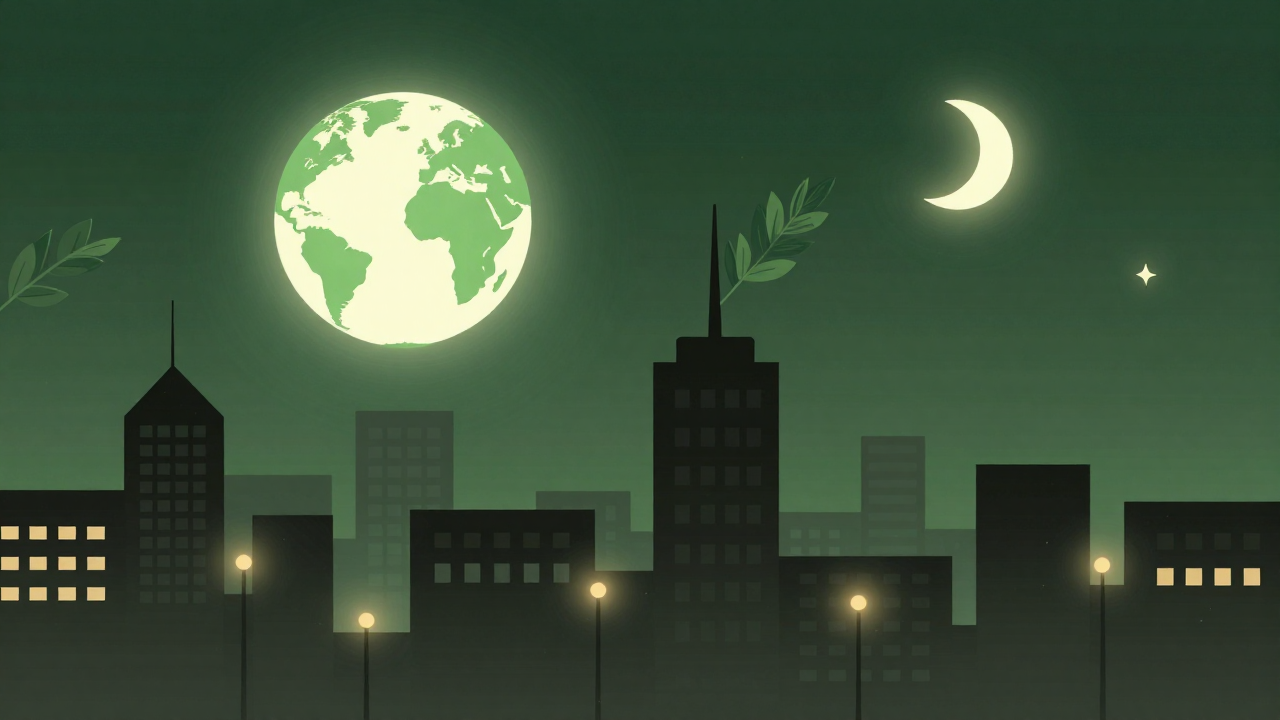
Earth Hour, celebrated on March 27, invites people around the globe to come together in a powerful show of unity for our planet. This annual observance encourages individuals, communities, and businesses to turn off their lights for one hour, starting at 8:30 PM local time, as a symbolic gesture to raise awareness about climate change and the urgent need for environmental conservation. Originating in Sydney in 2007, Earth Hour has since grown into a worldwide phenomenon, demonstrating how collective action can inspire change and foster a deeper connection to nature.
As you participate in Earth Hour, you’re not just switching off your lights; you’re joining millions of others in acknowledging the importance of protecting our environment. This hour of darkness can be a beautiful opportunity to reflect on our relationship with the Earth and to consider how our daily choices impact the world around us. Whether you spend the hour stargazing, enjoying candlelit moments with loved ones, or engaging in community activities, Earth Hour serves as a reminder that every small action counts in the fight for a sustainable future. So mark your calendars for March 27 and prepare to shine a light on the importance of caring for our planet in ways that extend far beyond just one hour.
History
Earth Hour is an annual global event that aims to raise awareness about climate change and the importance of conserving energy. Observed on March 27, this initiative invites individuals, communities, and businesses to turn off non-essential lights for one hour, usually from 8:30 PM to 9:30 PM local time. The first Earth Hour took place in Sydney, Australia, in 2007, when over 2.2 million people and thousands of businesses switched off their lights as a symbolic gesture to combat climate change. This initiative was organized by the World Wildlife Fund (WWF) and was designed to inspire a global movement towards sustainable living.
Since its inception, Earth Hour has grown exponentially, evolving from a local event into a worldwide phenomenon. In 2008, the campaign expanded beyond Australia, engaging participants across various countries and continents. By 2010, Earth Hour became a global event, with cities from more than 130 countries joining in to show their commitment to environmental protection. The event has garnered media attention and participation from prominent landmarks, such as the Eiffel Tower and the Sydney Opera House, which go dark during the hour, amplifying the message of conservation and sustainability.
Culturally, Earth Hour carries significant meaning as it emphasizes collective action on environmental issues and encourages discussions about climate change. The observance serves as a reminder of the impact of human activities on the planet, emphasizing the need for urgent action to mitigate climate change. Various organizations and communities use this hour to host events, workshops, and educational campaigns that promote energy conservation and environmental stewardship. The event not only raises awareness but also fosters a sense of global unity as people around the world come together for a shared cause.
As Earth Hour approaches each year on March 27, the focus remains on individual and collective responsibility toward the environment. With each passing year, the event continues to inspire millions, encouraging them to reflect on their energy consumption habits and consider how they can contribute to a more sustainable future. The evolution of Earth Hour exemplifies the growing recognition of the vital role that individuals and communities play in addressing climate change, making it a powerful symbol of environmental advocacy and hope.