Artichoke and Asparagus Month
United States
About
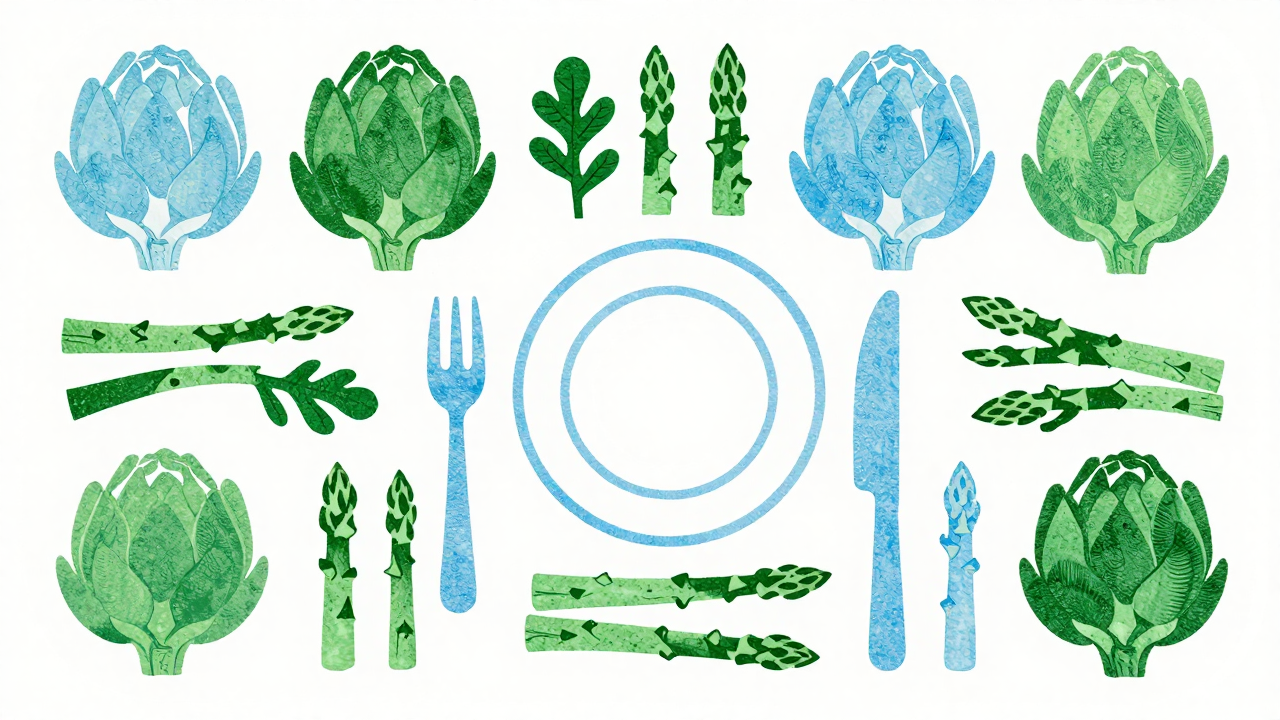
January 1 marks the delightful celebration of Artichoke and Asparagus Month, a time dedicated to honoring two of the most nutritious and versatile vegetables in the culinary world. As winter's chill lingers, this holiday encourages us to embrace the vibrant flavors and health benefits that artichokes and asparagus bring to our tables. Both vegetables are rich in vitamins, antioxidants, and fiber, making them not only delicious but also a wonderful addition to any meal as we kick off the new year with a focus on wellness and fresh eating.
Throughout January, food enthusiasts and home cooks alike are invited to explore the myriad of ways to enjoy these green gems. From steaming and roasting to grilling and sautéing, the possibilities are endless. You can dive into classic recipes such as artichoke dip or roasted asparagus with lemon zest, or even experiment with new creations that highlight their unique textures and tastes. This month also serves as a reminder of the beauty of seasonal eating, as both artichokes and asparagus are at their peak in spring. So, whether you’re whipping up a comforting dish for family or hosting a gathering with friends, let the spirit of Artichoke and Asparagus Month inspire you to savor these wholesome vegetables and their contributions to a vibrant, healthy lifestyle. Cheers to a month of delicious dishes and fresh starts!
History
**Artichoke and Asparagus Month: Historical Overview**
Artichoke and Asparagus Month, celebrated annually in January, is a unique observance that highlights the culinary and nutritional significance of two distinct vegetables: the artichoke and the asparagus. While the specific origins of this month-long celebration remain somewhat obscure, it is believed to have emerged in the late 20th century as part of a broader movement to promote seasonal eating and raise awareness about the benefits of incorporating vegetables into one’s diet. The establishment of specific food months has been driven by agricultural organizations and health advocates who aim to encourage the consumption of local produce and educate the public about its benefits.
The artichoke, a thistle-like vegetable that is native to the Mediterranean, has been cultivated for centuries, with historical records tracing its usage back to ancient Greece and Rome. The vegetable was revered for its unique flavor and health benefits, being rich in antioxidants and vitamins. Asparagus, on the other hand, boasts a history that also dates back thousands of years, with its cultivation recorded in ancient Egypt, Greece, and Rome. It was considered a delicacy and a symbol of luxury, often reserved for the elite. The pairing of these two vegetables in a month-long celebration likely stems from their complementary roles in the culinary world and their shared prominence in Mediterranean diets.
Over the years, Artichoke and Asparagus Month has evolved into a celebration that not only emphasizes the enjoyment of these vegetables but also advocates for sustainable farming practices and seasonal eating. As awareness of health and wellness has grown, so has the appreciation for fresh, locally sourced produce. Many restaurants and culinary organizations take this opportunity to create special menus and events centered around artichokes and asparagus, showcasing their versatility in dishes ranging from salads to gourmet entrees. This celebration also aligns with the broader "eat your vegetables" movement, which seeks to improve public health by encouraging individuals to increase their vegetable intake.
Culturally, Artichoke and Asparagus Month serves as a reminder of the importance of agriculture and the connection between food and health. As more people have become interested in gardening, cooking, and nutrition, the observance provides a platform for local farmers and chefs to share their knowledge and recipes. The month emphasizes not only the celebration of flavor but also the environmental and economic benefits of supporting local agriculture. As communities come together to celebrate these vegetables, they reinforce the idea that food is not just sustenance but a means of cultural expression and connection.
In conclusion, while Artichoke and Asparagus Month may not have the deep historical roots of some other holidays, its emergence reflects a growing societal focus on health, sustainability, and culinary creativity. By highlighting these two vegetables, the celebration encourages a more conscious approach to eating and an appreciation for the agricultural practices that bring fresh produce to our tables. This observance stands as a testament to the evolving relationship between people, food, and the environment in contemporary society.