Apple and Apricot Month
About
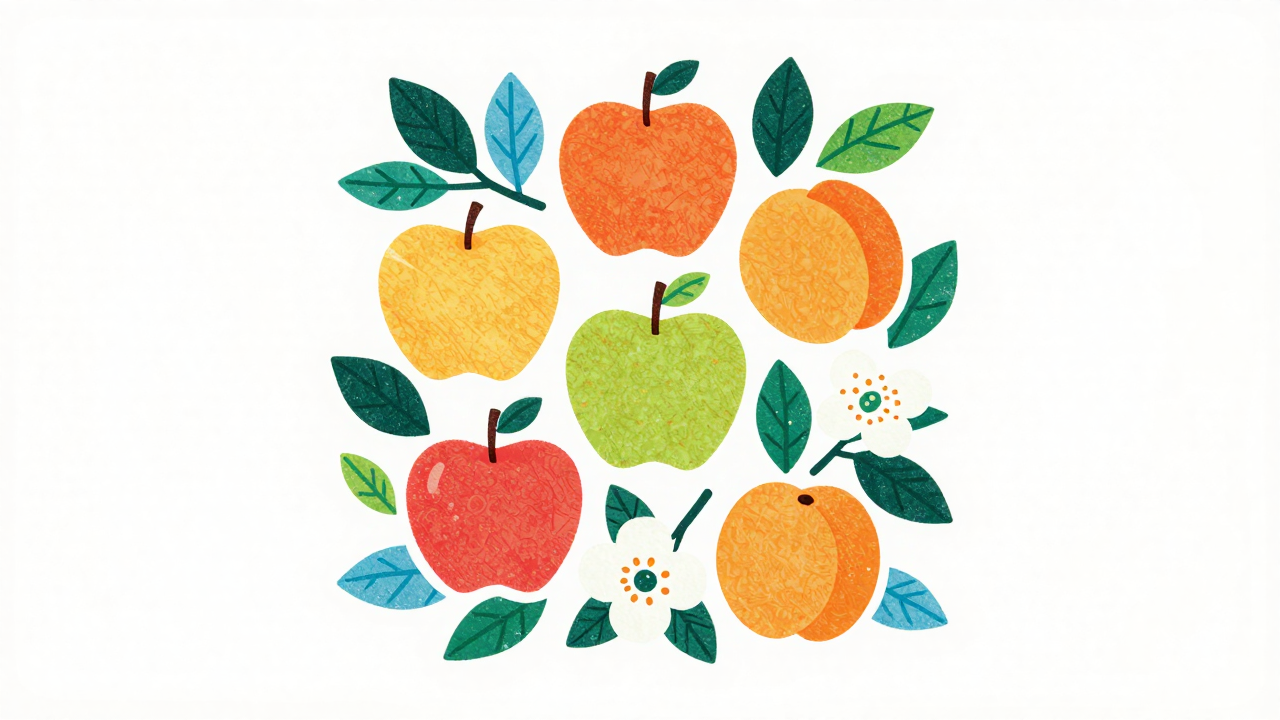
Apple and Apricot Month, celebrated on January 1, is a delightful homage to two of nature's most beloved fruits. As the New Year dawns, this month invites us to embrace the vibrant flavors and wholesome goodness of apples and apricots, encouraging a fresh start filled with health and vitality. With their rich histories and cultural significance, these fruits symbolize renewal and abundance, perfectly aligning with the spirit of new beginnings that January embodies.
Throughout Apple and Apricot Month, families and friends gather to enjoy the seasonal bounty of these fruits, whether through baking warm apple pies, crafting apricot preserves, or simply savoring fresh slices. It's a time to explore creative recipes, share knowledge about nutrition, and appreciate the versatility of these fruits in both sweet and savory dishes. Additionally, local farmers' markets often showcase their harvests, providing a wonderful opportunity to support local agriculture and enjoy the fruits at their peak freshness.
As you indulge in the juicy sweetness of apples and the sun-kissed flavor of apricots this month, take a moment to reflect on the joys of nature's gifts and the connections we create around food. Apple and Apricot Month is not just about the fruit; it’s about celebrating community, fostering creativity in the kitchen, and committing to a healthy lifestyle as we embark on the year ahead. So, gather your loved ones, and let the festivities of this fruity celebration inspire you to make the most of the month!
History
**Apple and Apricot Month: Historical Overview**
The celebration of Apple and Apricot Month, which officially begins on January 1, has its roots in ancient agricultural practices and seasonal celebrations. Historically, January marked a time when many cultures reflected on the past year’s harvest while preparing for the upcoming planting season. Apples and apricots, both of which have significant agricultural and cultural importance, served as symbols of prosperity, renewal, and the cyclical nature of life. The origins of this holiday can be traced back to ancient civilizations in the Middle East and Europe, where fruit cultivation was not just a means of sustenance but also a vital aspect of religious and cultural rituals.
As societies progressed, the celebration evolved from a purely agricultural observance into a broader cultural phenomenon. In medieval Europe, for instance, January was often a time of feasting and merrymaking after the winter solstice. Apples, which were storied for their ability to last through the winter months, became integral to this midwinter celebration. The apricot, although more associated with warmer climates, also found its way into European agriculture and cuisine, leading to its inclusion in festivities. By the 17th and 18th centuries, various regions began to formalize this celebration into a month-long observance, with events and activities dedicated to the appreciation of these fruits.
Culturally, Apple and Apricot Month holds significant meaning in many communities. In regions where these fruits are cultivated, the holiday provides an opportunity to celebrate local agriculture. Communities often come together for festivals, featuring apple and apricot-themed fairs, cooking competitions, and educational workshops on sustainable farming practices. The holiday also serves to emphasize the importance of orchards and biodiversity, as many areas see a resurgence in interest regarding heirloom varieties of both fruits. The sense of community and shared history during this month reinforces connections to the land and to each other, mirroring the way these fruits have nourished generations.
Moreover, Apple and Apricot Month has gained traction as a time for reflection and resolutions, aligning with the New Year. Many families incorporate these fruits into their New Year's celebrations, symbolizing health, prosperity, and new beginnings. The emphasis on health and wellness during this time has sparked initiatives promoting the consumption of fresh fruits and local produce. Today, the month is not just a reminder of agricultural heritage but also a celebration of sustainability and environmental stewardship, encouraging people to support local farmers and appreciate the bounty of nature.
In summary, Apple and Apricot Month has transformed from an ancient agricultural observance into a multifaceted celebration reflecting community, culture, and renewal. Its significance resonates deeply within various cultures, promoting not only the fruits themselves but also the values of sustainability and togetherness as communities look forward to the new year and the promise it brings.