Special Recreation for the Disabled Day
Japan
About
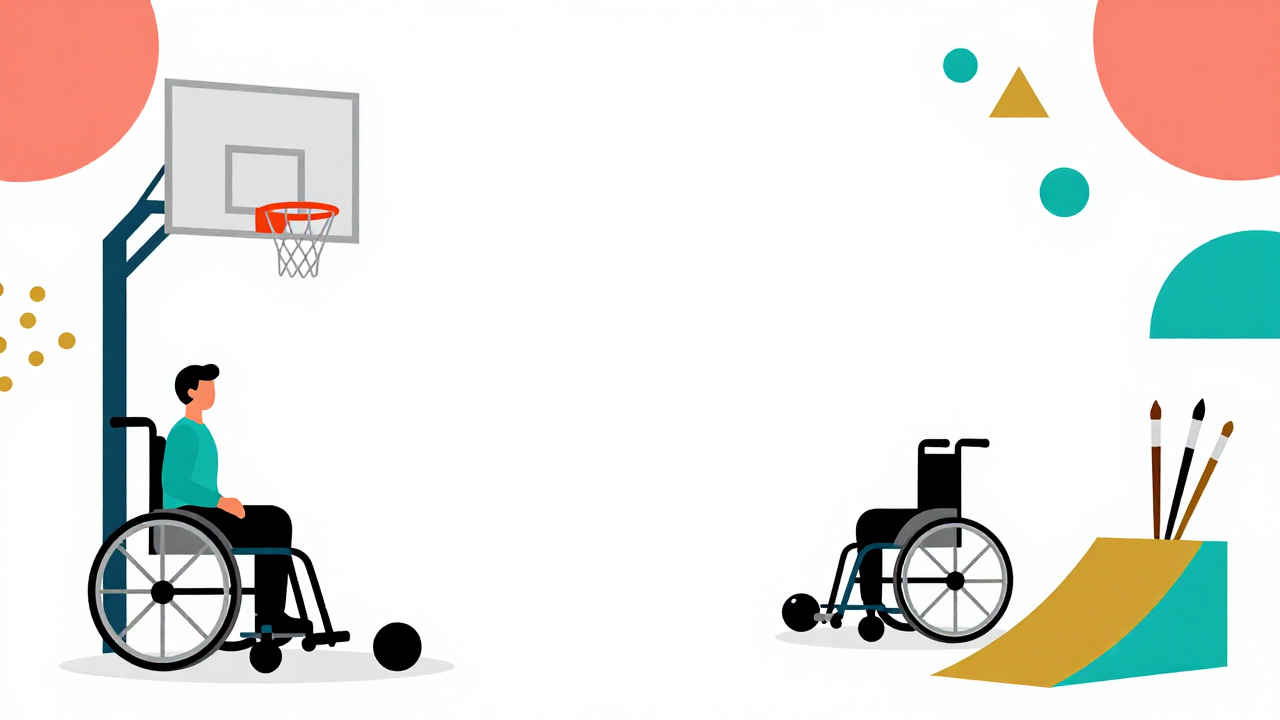
Special Recreation for the Disabled Day, observed on July 2, celebrates the importance of accessible recreation and the many ways people with disabilities participate in sports, games, arts, outdoor activities, and community programs. The day recognizes that recreation is an essential part of a healthy, fulfilling life—providing opportunities for enjoyment, self-expression, friendship, confidence, and personal growth.
It also encourages communities to make recreational spaces and activities more inclusive. On July 2, people can honor the observance by learning about adaptive recreation, supporting organizations that expand accessibility, or inviting people of all abilities to take part in welcoming activities. By removing barriers and focusing on possibilities, everyone can help create communities where recreation truly belongs to all.
History
**Special Recreation for the Disabled Day**, observed annually on **July 2**, recognizes the importance of recreation, leisure, and physical activity in the lives of people with disabilities. Its focus is broader than competitive sport: recreation can include arts programs, outdoor activities, camps, social events, adaptive exercise, and opportunities for independent participation. The observance highlights the principle that access to enjoyable community life is an essential part of well-being—not a privilege reserved for people without disabilities.
The day reflects a longer history of efforts to make recreation more accessible. During the 20th century, many communities began developing specialized programs for children and adults with disabilities, including adapted sports, therapeutic recreation, swimming, camping, and organized social activities. Early services were sometimes provided through separate institutions or disability-specific programs, but they helped establish practical knowledge about adaptive equipment, individualized instruction, accessibility, and the value of recreation for confidence, health, and social connection.
Over time, the broader disability-rights movement encouraged a shift from segregated activities toward inclusion and equal participation. The Rehabilitation Act of 1973 and the Americans with Disabilities Act of 1990 strengthened expectations that public programs and facilities should not exclude people because of disability. Recreation departments, schools, parks, and nonprofit organizations increasingly adopted accessible facilities, inclusive programming, trained staff, and reasonable modifications. Special Recreation for the Disabled Day belongs to this continuing history, while also acknowledging that barriers—such as cost, transportation, inaccessible buildings, and limited program availability—remain.
Its cultural significance lies in affirming recreation as a matter of dignity, belonging, and self-expression. On **July 2**, the observance invites communities to recognize the achievements and preferences of disabled participants rather than viewing recreation only as therapy or charity. It also encourages practical action: expanding accessible parks and programs, listening to disabled people when activities are designed, and ensuring that participation is integrated into ordinary community life whenever possible.