Freedom From Fear of Speaking Day
United States
About
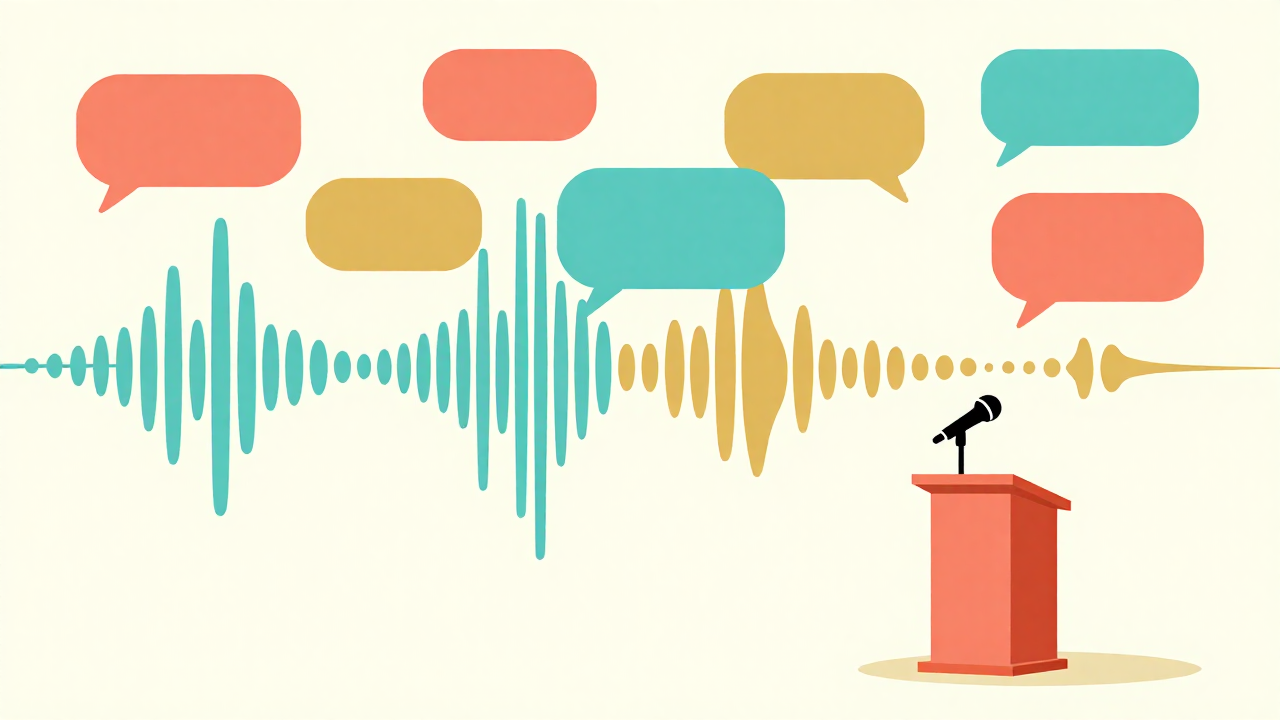
Freedom From Fear of Speaking Day, observed on July 2, encourages people to find their voice and speak with greater confidence. Whether addressing a crowd, sharing an idea in a meeting, participating in class, or simply expressing personal feelings, the observance recognizes how meaningful—and sometimes challenging—speaking up can be.
The day offers a welcoming reminder that effective communication is a skill anyone can develop. Celebrate by practicing a short speech, joining a supportive conversation, offering your thoughts without fear of perfection, or encouraging someone else to be heard. Every small step toward confident expression can open the door to stronger connections and new opportunities.
History
Freedom From Fear of Speaking Day is observed on **July 2**. The observance focuses on the widespread fear of public speaking, commonly known as glossophobia, and encourages people to approach speaking situations with greater confidence. Its subject reflects a long-standing human concern: throughout history, the ability to speak persuasively before others has been important in civic life, education, religion, law, and the workplace.
The precise origin and founder of Freedom From Fear of Speaking Day are not clearly documented in widely available historical records. Unlike older religious or civic observances, it appears to be a modern awareness day created to draw attention to communication anxiety and the practical value of developing speaking skills. Accounts of the observance generally present July 2 as an opportunity for people to recognize their fear, practice speaking, and support others who find public presentation intimidating.
Over time, the emphasis of the day has broadened beyond formal speeches. Public speaking can include participating in a meeting, answering a question in class, giving a presentation, introducing oneself, or expressing an opinion in a group. This wider understanding reflects changes in communication culture, particularly as schools, workplaces, online meetings, and social platforms have made spoken communication a routine part of daily life.
The cultural significance of Freedom From Fear of Speaking Day lies in its encouragement of participation and self-expression. Fear of speaking can lead people to remain silent even when they have valuable ideas, while supportive practice can make communication more accessible. On July 2, individuals may mark the observance by giving a short speech, joining a discussion, rehearsing a presentation, taking a communication class, or encouraging someone else to speak. The day does not suggest that nervousness must disappear completely; rather, it promotes preparation, gradual practice, and the confidence to communicate despite apprehension.