Comic Sans Day
About
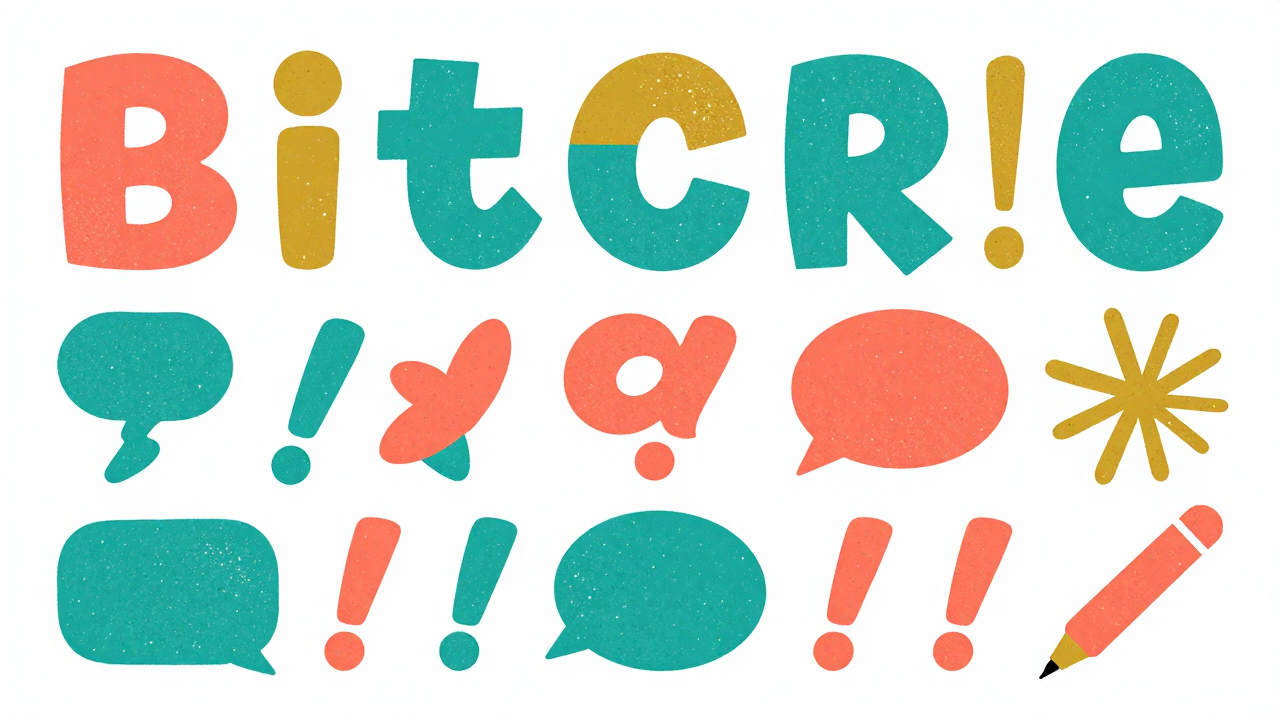
Comic Sans Day, observed on July 2, celebrates one of the world’s most recognizable—and often debated—typefaces. Designed to resemble the casual lettering found in comic books, Comic Sans was created to feel friendly, informal, and approachable. Its rounded shapes and relaxed style have made it a familiar choice for everything from classroom materials to personal notes.
The day is an invitation to set aside typographic expectations and enjoy the lighter side of design. Fans can use Comic Sans in a cheerful message, explore its history, or simply reflect on how fonts influence the way words feel. Whether you love its playful personality or prefer a more traditional typeface, Comic Sans Day offers a fun reminder that communication can be expressive, welcoming, and just a little unconventional.
History
Comic Sans Day, observed on July 2, celebrates one of the most recognizable—and controversial—typefaces in modern digital culture. Comic Sans was created by Microsoft designer Vincent Connare in 1994 for use in comic-style speech balloons in Microsoft Bob, an educational and family-oriented software program. Connare drew inspiration from the lettering used in comic books, particularly the informal, hand-lettered appearance of titles such as *The Dark Knight Returns* and *Watchmen*. Because Microsoft Bob was redesigned before Comic Sans could be used in it, the typeface was later incorporated into other Microsoft products.
The font became widely available with Microsoft Windows, especially during the 1990s, when home computers, desktop publishing, school projects, and personal websites were rapidly expanding. Its irregular shapes and rounded strokes were designed to look friendly and conversational rather than formal. That accessibility helped Comic Sans become popular among teachers, children, community groups, and casual users who wanted text to appear approachable. At the same time, its widespread use in serious documents, business communications, and public signage led to criticism from graphic designers and typographers.
Over time, Comic Sans developed a cultural identity beyond its original purpose. It became shorthand for informality, enthusiasm, and amateur design, while also inspiring debates about typography, appropriateness, and who gets to decide what makes a typeface “good.” Some designers object to its overuse, but others defend it for its legibility and welcoming appearance, particularly for young readers and people who find conventional typefaces difficult to read. The font’s reputation has therefore shifted between ridicule and appreciation.
Comic Sans Day on July 2 reflects this broader cultural conversation. Rather than commemorating a major historical event, the observance draws attention to the history and influence of a typeface that became part of everyday digital life. It invites people to reconsider the difference between professional design conventions and practical communication, while recognizing Comic Sans as an enduring symbol of the playful, experimental spirit of early personal computing.