Made In The USA Day
United States
About
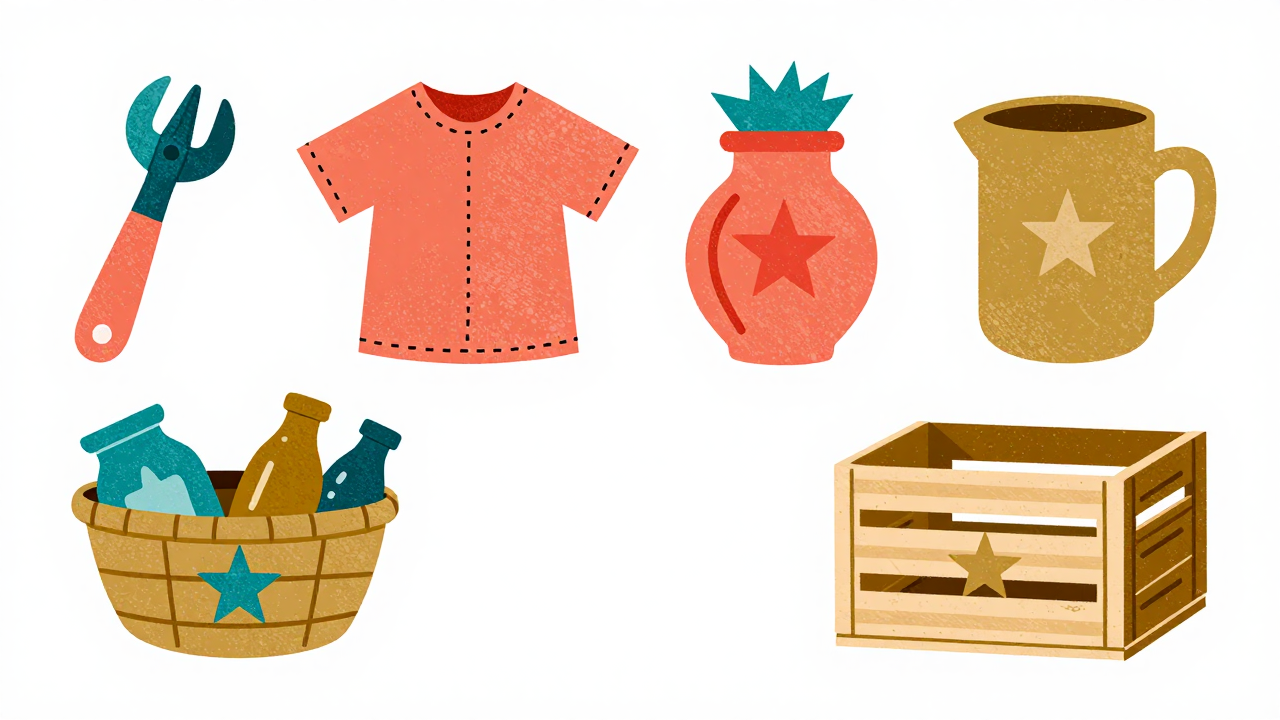
Made In The USA Day, observed on July 2, celebrates products created, crafted, and assembled in the United States. It is an opportunity to recognize American manufacturers, artisans, farmers, designers, and businesses whose work contributes to local communities and the nation’s economy.
The day also invites people to explore the stories behind the products they buy and to support American-made goods when possible. From handmade items and regional foods to clothing, tools, and household products, choosing Made in the USA can be a meaningful way to appreciate domestic craftsmanship and the people who make it possible.
History
Made In The USA Day is observed on **July 2**, shortly before Independence Day. The observance highlights products manufactured in the United States and encourages consumers to consider the workers, businesses, and supply chains behind domestic goods. Its timing connects commercial choices with the broader national themes of independence, self-reliance, and civic pride associated with the Fourth of July season.
The idea of identifying and supporting American-made products has deeper roots than the observance itself. During the early twentieth century, manufacturers and retailers increasingly used country-of-origin labels to distinguish domestic goods from imports. Federal policy also helped shape the meaning of “Made in USA.” The Buy American Act of 1933 established domestic-preference rules for certain federal purchases, while later consumer-protection efforts sought to ensure that origin claims were not misleading. The Federal Trade Commission has since treated an unqualified “Made in USA” claim as requiring that a product be “all or virtually all” made in the United States.
Over time, interest in American-made goods expanded beyond government purchasing and labeling law. Periods of economic uncertainty, factory closures, and concern about overseas production prompted renewed attention to domestic manufacturing and employment. At the same time, American-made products became associated with craftsmanship, local enterprise, product traceability, and support for communities—although “Made in USA” does not necessarily mean that every component originates domestically.
Made In The USA Day reflects this evolving cultural significance. It is both a patriotic observance and an opportunity to think critically about consumption, labor, manufacturing, and economic policy. On **July 2**, supporters may recognize domestic producers, visit local businesses, learn how origin labels are regulated, or choose American-made goods where practical. The day therefore connects personal purchasing decisions with the longer history of American industry and the continuing debate over what domestic production should mean.