Pesach
Israel, United States, Canada, United Kingdom, France, Germany, Australia, Argentina, South Africa, Russia
About
Pesach, also known as Passover, is a significant Jewish holiday that is celebrated with great reverence and joy. Observed on April 21, this festival commemorates the liberation of the Israelites from slavery in ancient Egypt, marking a pivotal moment in Jewish history. The story of Pesach is rooted in the Exodus, where the Jewish people fled oppression under Pharaoh's rule, leading to their eventual journey towards freedom and the Promised Land. This powerful narrative inspires themes of hope, resilience, and the quest for liberation, making Pesach a deeply meaningful time for reflection and connection.
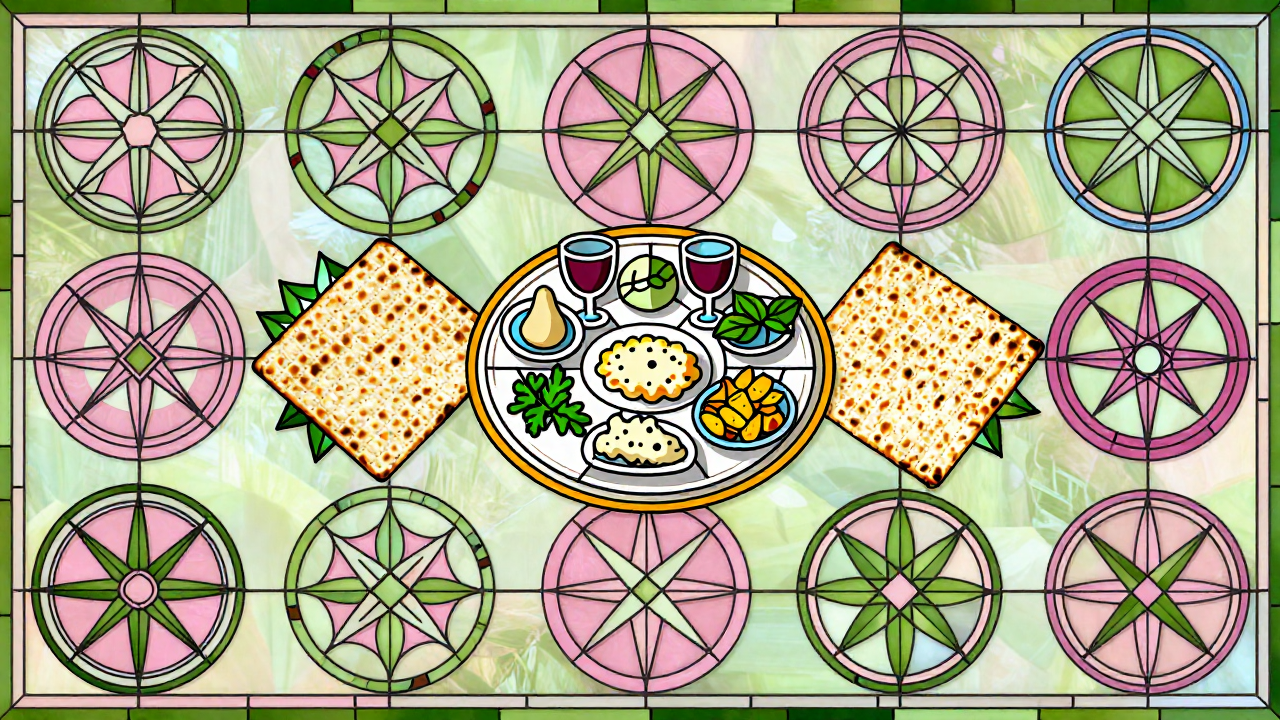
During Pesach, families gather for the Seder, a ceremonial meal that features symbolic foods and the retelling of the Exodus story. The Seder plate holds items such as matzah, bitter herbs, and charoset, each representing different aspects of the Jewish experience during slavery and the sweetness of freedom. The holiday is characterized by the prohibition of leavened bread, with matzah, or unleavened bread, taking center stage throughout the week. As families engage in traditions and rituals, they come together to celebrate their heritage, share stories, and reinforce the values of faith and community. On April 21, Pesach invites everyone to come together, reflect on the past, and celebrate the enduring spirit of freedom and renewal.
History
Pesach, also known as Passover, is a significant Jewish holiday that commemorates the Exodus of the Israelites from slavery in Egypt, an event described in the Torah. The origins of Pesach can be traced back to the biblical narrative found primarily in the Book of Exodus, where God commands the Israelites to mark their doorposts with lamb's blood, sparing them from the final plague that struck Egypt. The observance begins on the 15th day of the Hebrew month of Nisan, which typically falls around March or April in the Gregorian calendar, aligning with the observance on April 21 for this particular year.
Over time, Pesach has evolved from a purely agricultural festival celebrating the spring harvest into a profound religious observance that reflects themes of freedom and redemption. Initially, the holiday incorporated various agricultural rituals, but as the narrative of the Exodus became central to Jewish identity, the focus shifted toward the themes of liberation and the importance of remembering the hardships faced by the ancestors. The Seder, a ceremonial dinner held on the first two nights of Pesach, has become a vital component of the celebration, featuring symbolic foods and the retelling of the Exodus story through readings and songs.
Culturally, Pesach holds great significance within Jewish communities around the world. It serves as a time for families to gather, reflect on their shared history, and reinforce their cultural identity. The rituals associated with the holiday, such as the removal of chametz (leavened bread) from homes and the consumption of matzah, not only connect participants to their heritage but also foster a sense of unity and continuity among Jewish people, regardless of their geographic location. Celebrating Pesach on April 21 this year, families will engage in traditions that span generations, reinforcing the collective memory of their deliverance from oppression and the ongoing quest for freedom in various forms.
The themes celebrated during Pesach continue to resonate beyond the Jewish community, influencing broader discussions on human rights and social justice. As participants reflect on their historical narrative of liberation, Pesach serves as a reminder of the importance of standing against oppression in all its forms, emphasizing the universal relevance of the values embedded within this ancient observance. Through its rich history and cultural practices, Pesach remains a cornerstone of Jewish life, celebrated with reverence and joy each year.