Festival of Ridvan
Iran, United States, Canada, United Kingdom, Australia, Germany, India, Iraq, Bahamas, France
About
The Festival of Ridvan, celebrated on April 21, is a significant occasion for the Bahá'í community, marking the anniversary of the declaration of Bahá'u'lláh as the Prophet-Founder of the Bahá'í Faith. This joyous festival, often referred to as the "King of Festivals," invites followers to reflect on the profound message of unity, peace, and love that Bahá'u'lláh brought to the world. The celebration lasts for twelve days, beginning on April 21 and culminating on May 2, but the first day holds a special place in the hearts of Bahá'ís as it represents the momentous beginning of this transformative revelation.
During the Festival of Ridvan, communities come together to celebrate with prayers, music, and gatherings that emphasize fellowship and the principles of the Bahá'í Faith. Participants often decorate their homes, share meals, and engage in discussions about Bahá'u'lláh’s teachings, fostering a spirit of togetherness and reflection. The festival serves not only as a time for joy but also as a reminder of the ongoing commitment to the values of justice, compassion, and the oneness of humanity that underpin Bahá'í beliefs. As April 21 approaches, Bahá'ís around the world eagerly prepare to honor this sacred day, embracing the opportunity to come together in celebration of their faith and its enduring message of hope and unity.
History
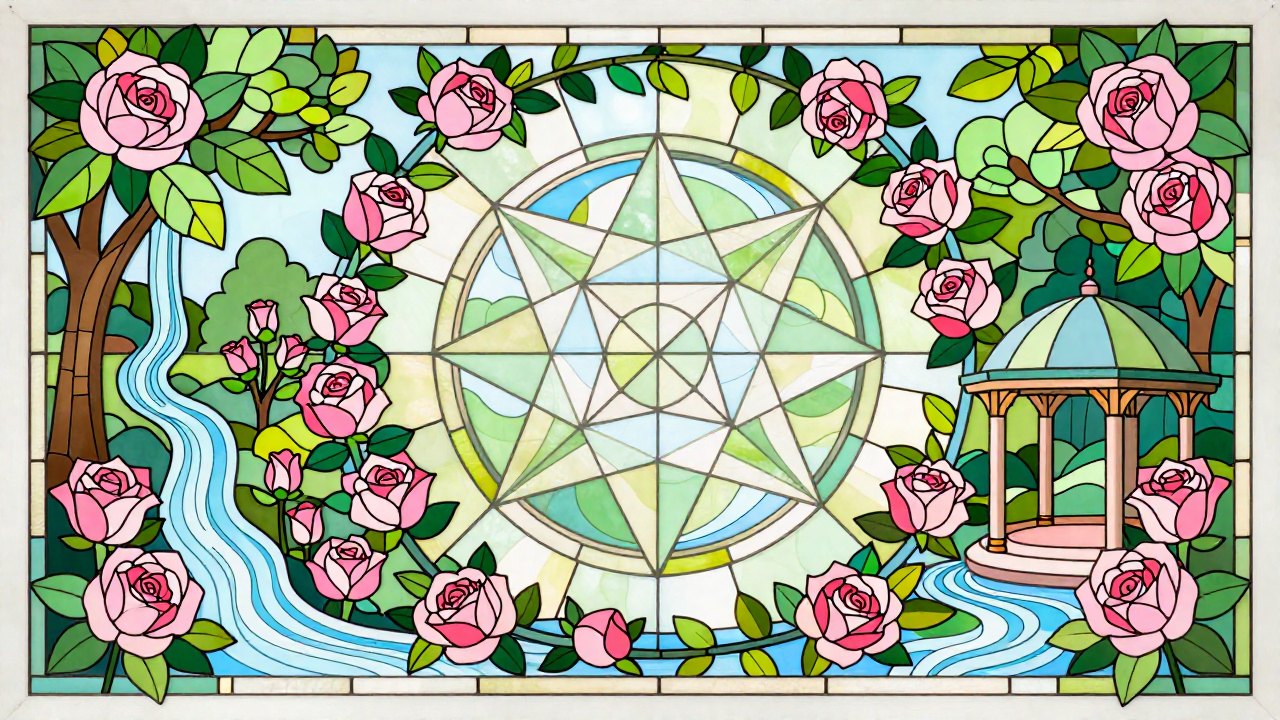
The Festival of Ridvan, celebrated on April 21, marks a significant event in the Bahá'í calendar, commemorating the declaration of Bahá'u'lláh, the founder of the Bahá'í Faith, as the Promised One of all religions. This momentous occasion took place in 1863 when Bahá'u'lláh, having been exiled from Persia, revealed His mission during a twelve-day period in the Garden of Ridván, located near Baghdad. The name "Ridván" itself translates to "Paradise" in Arabic, symbolizing both the spiritual significance of the event and the beauty of the garden where Bahá'u'lláh made His proclamation.
The observance of Ridvan has evolved over time, beginning as a personal celebration for the early followers of Bahá'u'lláh. Initially, it was marked by gatherings and reflections on His teachings. As the Bahá'í community grew, the festival became more formalized, evolving into a public celebration that includes prayers, feasts, and community activities. The first day of Ridvan, April 21, is considered the most important, where Bahá'ís honor the announcement of Bahá'u'lláh’s divine mission. The festival spans twelve days, with the final day, known as the Day of the Declaration of Bahá'u'lláh, celebrated on May 2.
Culturally, the Festival of Ridvan holds immense significance for Bahá'ís worldwide. It represents not only the birth of their faith but also the ideals of unity, peace, and justice that Bahá'u'lláh espoused. During this period, Bahá'ís often engage in community service, reflecting their commitment to social justice and the betterment of society. The celebration also serves as a time for Bahá'ís to strengthen their bonds with one another, fostering a sense of belonging and shared purpose.
In contemporary practice, the Festival of Ridvan is characterized by vibrant community gatherings, including prayers, songs, and discussions about Bahá'í teachings. It is a time for both reflection and joy, as Bahá'ís celebrate their faith's history and its ongoing relevance in the modern world. The observance, starting on April 21, continues to serve as a reminder of the principles of love and unity that lie at the heart of the Bahá'í Faith, inspiring adherents to live out these values in their daily lives.