Erev Pesach (Israel)
Israel, United States, Canada, United Kingdom, Australia, France, Germany, Argentina, South Africa
About
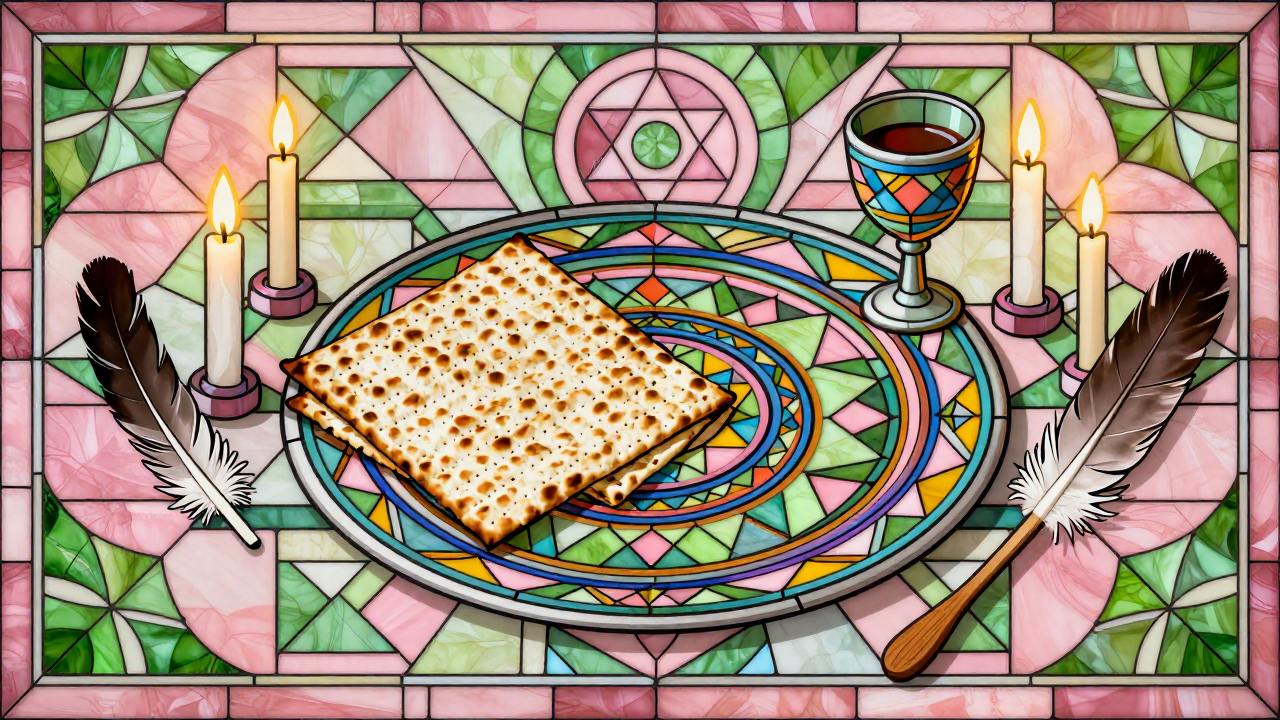
Erev Pesach, celebrated on April 21 in Israel, marks the eve of Passover, a significant holiday in the Jewish tradition that commemorates the Exodus of the Israelites from slavery in Egypt. This special evening is steeped in rich traditions and rituals that set the stage for the week-long celebration of freedom and renewal. Families come together to prepare for the Seder, a ceremonial meal that features symbolic foods and retellings of the story of liberation, emphasizing themes of hope, resilience, and the importance of community.
As the sun sets on Erev Pesach, homes are filled with the aroma of freshly baked matzah and festive dishes as families gather to cleanse their homes of chametz, or leavened products, symbolizing the haste with which the Israelites left Egypt. This cleaning ritual is not just about physical tidiness; it is a time for reflection, gratitude, and the reaffirmation of identity and faith. Erev Pesach serves as a beautiful reminder of heritage and the enduring spirit of freedom, inviting each participant to engage in the rich tapestry of Jewish history and tradition.
History
Erev Pesach, observed on April 21 in Israel, marks the eve of Passover, a significant Jewish holiday commemorating the Exodus of the Israelites from slavery in Egypt. The origins of this observance can be traced back to biblical times, specifically to the Book of Exodus, which describes the final plague that God inflicted upon Egypt and the subsequent liberation of the Hebrew people. Erev Pesach serves as a preparation day for the Passover festival, which begins at sundown and is characterized by specific rituals and the prohibition of leavened bread, known as chametz.
Historically, the practices associated with Erev Pesach have evolved in response to changing cultural and social contexts. In ancient times, families would prepare for the holiday by cleaning their homes to remove any trace of chametz, a practice that is still observed today. This thorough cleaning symbolizes the removal of both physical and spiritual impurities. Over the centuries, as Jewish communities spread across the globe, various customs related to Erev Pesach developed, reflecting local traditions while maintaining the core elements of the observance.
Culturally, Erev Pesach holds significant importance within the Jewish community. It is a time for family gatherings and communal preparations, highlighting the values of unity and togetherness. The Seder meal, which takes place on the first two nights of Passover, is preceded by the rituals of Erev Pesach, where families often come together to perform the symbolic acts that usher in the holiday. These acts include the searching for chametz, known as Bedikat Chametz, and the ceremonial burning of any found leaven. This day, therefore, not only serves as a preparatory phase for Passover but also reinforces familial bonds and cultural identity.
As the observance continues to be celebrated annually on April 21, it remains a vital expression of Jewish heritage, underscoring themes of freedom, remembrance, and renewal. Erev Pesach is not merely a precursor to Passover; it encapsulates the spirit of the holiday, reminding Jewish communities of their historical journey and the values of liberation and community that continue to resonate today. The preservation of customs and the emphasis on family and tradition during this time reflect the enduring significance of Erev Pesach in contemporary Jewish life.