Battle of San Jacinto
United States
About
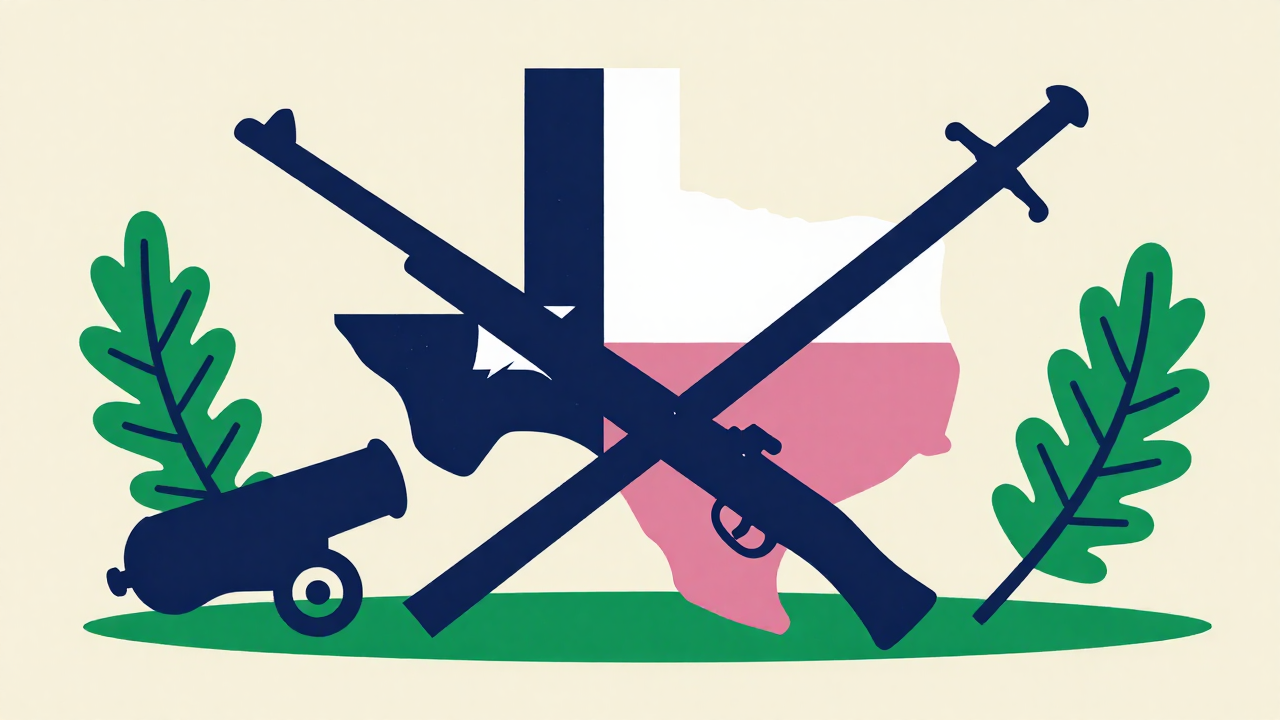
The Battle of San Jacinto, observed on April 21, is a significant event in Texas history, marking a pivotal moment in the struggle for independence from Mexico. This fierce battle, fought in 1836, was a decisive victory for Texian forces led by General Sam Houston against the Mexican army commanded by General Santa Anna. The triumph at San Jacinto not only secured Texas its independence but also laid the foundation for its eventual admission into the United States. Each year, on April 21, Texans and history enthusiasts come together to commemorate this monumental event, celebrating the courage and determination of those who fought for freedom.
On this day, various festivities take place, including reenactments, parades, and educational programs that bring the history of the battle to life. Communities across Texas honor the bravery of the soldiers and the spirit of resilience that characterized this defining moment. The legacy of the Battle of San Jacinto continues to inspire generations, reminding us of the importance of fighting for one’s beliefs and the impact of collective action in shaping history. Join in the observance this April 21 to reflect on the past and celebrate the enduring spirit of independence that defines Texas today.
History
The Battle of San Jacinto, fought on April 21, 1836, is a pivotal event in the history of Texas and the broader context of American expansionism. This battle was part of the Texas Revolution, where Texian forces fought for independence from Mexico. The conflict arose due to tensions between the Mexican government and Texians, who were primarily Anglo settlers unhappy with Mexican rule, especially regarding issues like slavery and governance. The decisive battle took place near present-day Houston, where General Sam Houston led a surprise attack against the Mexican forces commanded by General Antonio López de Santa Anna. The Texian army's victory at San Jacinto effectively secured Texas's independence, leading to the establishment of the Republic of Texas.
In the years following the battle, April 21 became a day of commemoration for Texans and those who honor the revolutionary spirit of the Texian forces. Initially, celebrations were modest and primarily local, with veterans and their descendants gathering to remember the sacrifices made during the revolution. Over time, as Texas grew in population and cultural identity, the observance of the Battle of San Jacinto expanded. By the late 19th century, it became a more organized celebration, including parades and public speeches, fostering a sense of pride and unity among Texans.
Culturally, the Battle of San Jacinto holds immense significance as it symbolizes the fight for independence and the quest for self-determination. It is celebrated not only as a military victory but also as a foundational event that contributed to the identity of Texas. Texans honor this day with various events, including reenactments, festivals, and educational activities that highlight the historical importance of the battle. These observances serve to instill a sense of heritage and pride in the state's history, reminding citizens of the struggles faced by their ancestors.
As Texas has evolved into a state with a diverse population, the observance of the Battle of San Jacinto on April 21 continues to adapt, incorporating various cultural perspectives while maintaining its core message of resilience and independence. The annual recognition of this date reflects both a celebration of Texan history and a broader acknowledgment of the sacrifices made for freedom, making it a significant date not only in Texas but also in the wider narrative of American history.