Passover
Israel, United States, Canada, United Kingdom, France, Australia, Argentina, South Africa, Germany, Brazil
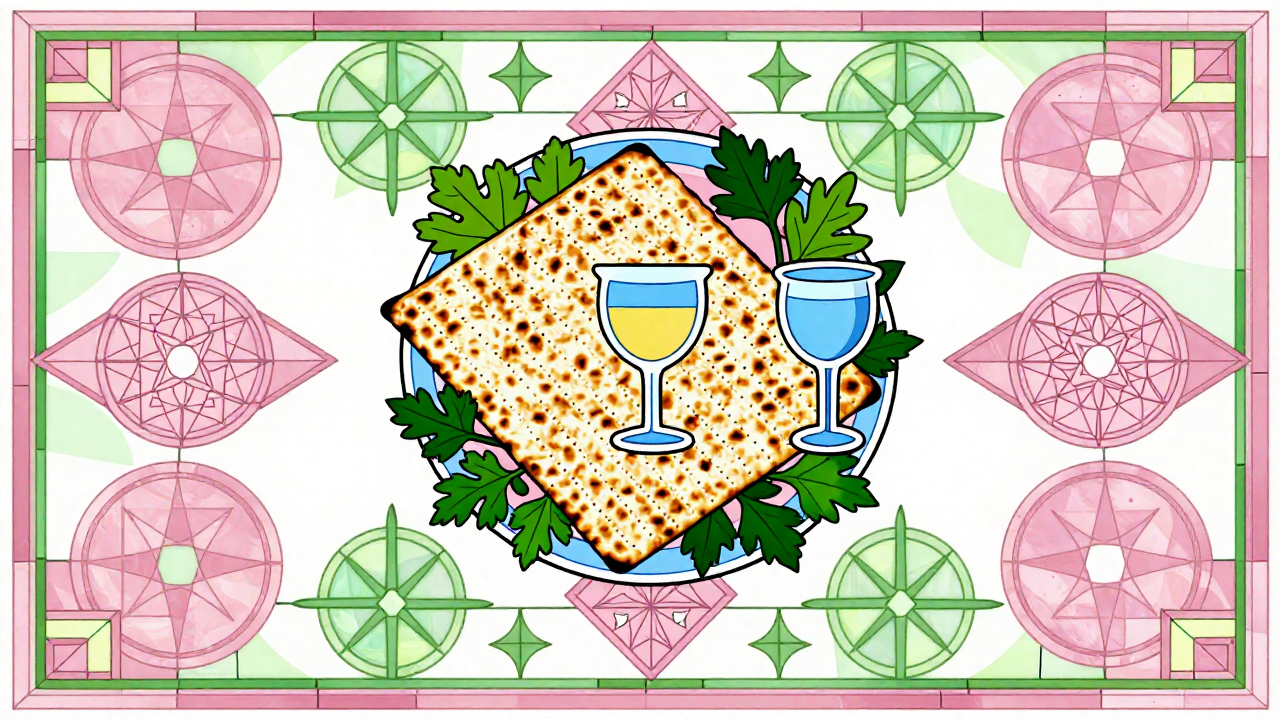
About
Passover, celebrated on April 21, is a significant Jewish holiday that commemorates the liberation of the Israelites from slavery in ancient Egypt. This festival, also known as Pesach, is steeped in rich traditions and rituals that connect families to their heritage and faith. As the story goes, the Jewish people were freed from bondage after enduring many hardships, and Passover serves as a poignant reminder of the importance of freedom and resilience.
During this time, families gather to participate in the Seder, a ceremonial meal that includes symbolic foods, prayers, and readings from the Haggadah, which recounts the Exodus story. The atmosphere is filled with warmth and togetherness, as loved ones share not only the food but also stories and reflections on their history. The observance of Passover invites everyone to reflect on themes of liberation, gratitude, and the enduring spirit of hope, making it a meaningful occasion for all who partake.
History
Passover, known in Hebrew as Pesach, is a significant Jewish holiday that commemorates the Exodus of the Israelites from slavery in Egypt. The origins of Passover can be traced back to the biblical narrative found in the Book of Exodus, where the Israelites were freed from oppression. The name "Passover" refers to the event in which God "passed over" the houses of the Israelites during the tenth plague, sparing their firstborns while striking down the firstborns of the Egyptians. This event is central to the Jewish understanding of freedom and divine deliverance.
Historically, the observance of Passover has evolved from its ancient agricultural roots into a rich ritual steeped in tradition. Initially, the holiday was closely tied to the harvest of barley, marking the beginning of the barley harvest in ancient Israel. Over time, as the Jewish people transitioned from an agrarian society to a more urbanized existence, the significance of Passover shifted to focus on the themes of liberation and remembrance of the Exodus. By the time of the Second Temple in Jerusalem, the observance took on a more structured format, including the Seder meal, which is now an integral part of the celebration.
Culturally, Passover holds deep significance within the Jewish tradition. It not only serves as a reminder of physical liberation from slavery but also emphasizes the importance of freedom and justice. The rituals associated with Passover, such as the Seder meal, include the reading of the Haggadah, the consumption of matzah, and the symbolic foods on the Seder plate, each representing aspects of the Exodus story and themes of redemption. The holiday fosters a sense of community as families and friends gather to retell the story of liberation, ensuring that the lessons of the past are passed down through generations.
As Passover is observed on April 21, it remains a time for reflection and celebration among Jewish communities worldwide. The observance not only strengthens cultural identity but also fosters intergenerational connections, encouraging participants to engage with their heritage and the broader themes of freedom and resilience that resonate across cultures and histories.