National Disco Day
United States
About
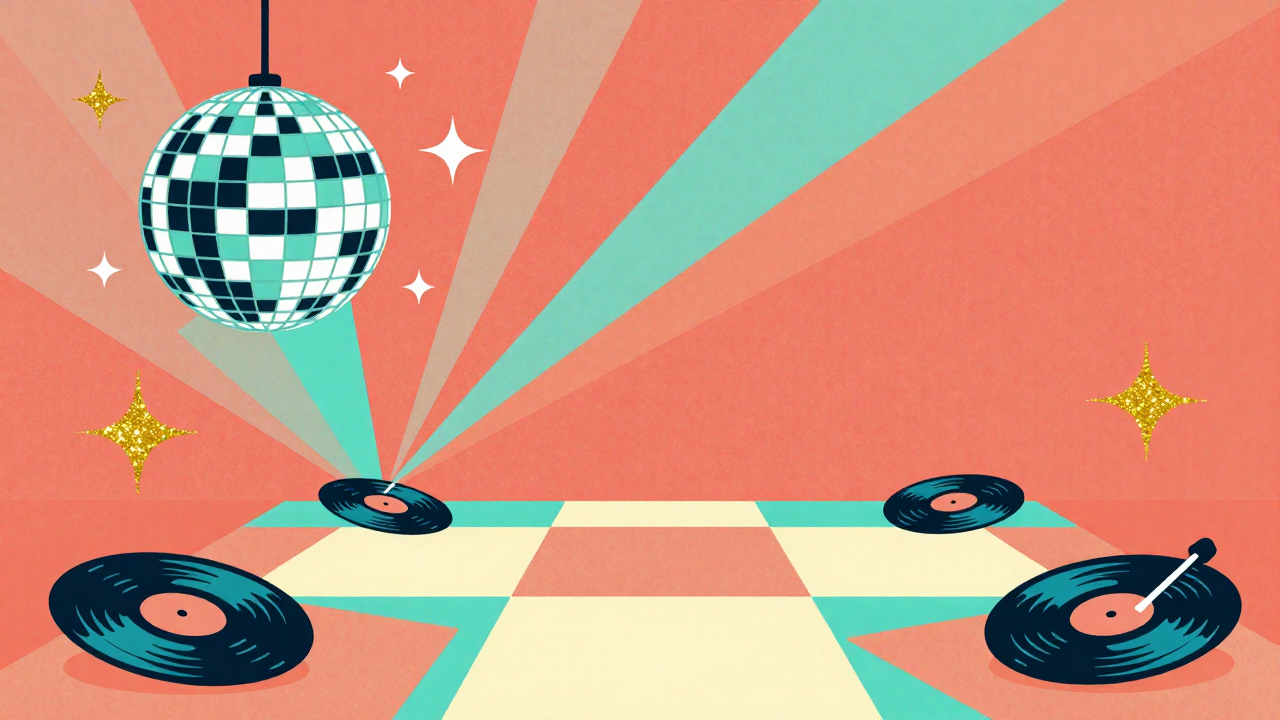
National Disco Day, observed on July 2, celebrates the dazzling music, dance, fashion, and nightlife culture that made disco a defining part of the 1970s. With its infectious rhythms, shimmering sound, and emphasis on dancing together, disco brought people onto the dance floor and helped shape popular music for generations to come.
Celebrate by playing classic disco hits, learning a few signature dance moves, dressing in glittering or retro-inspired style, or hosting a lively dance party with friends and family. Whether you love the music’s upbeat energy or simply enjoy a good excuse to dance, July 2 is the perfect time to turn up the volume and let the disco spirit shine.
History
National Disco Day is observed on **July 2** as a celebration of disco music, dance, fashion, and the social spaces that helped define the genre. The observance is a modern commemorative occasion rather than a holiday with a clearly documented single founder or founding event. Its purpose is to recognize disco’s lasting influence and to revisit a musical movement that became one of the most important cultural forces of the 1970s.
Disco developed during the late 1960s and early 1970s from the club scenes of New York and other major American cities. Black, Latino, and LGBTQ+ communities played a central role in shaping its sound and dance culture, particularly in clubs where extended, continuous rhythms encouraged people to dance for long periods. Rather than relying only on conventional pop-song structures, disco emphasized a steady four-on-the-floor beat, prominent bass lines, orchestral arrangements, percussion, and the creative work of DJs. Artists such as Donna Summer, Gloria Gaynor, the Bee Gees, Chic, and Sister Sledge helped bring the style to a broad international audience.
Disco’s popularity expanded rapidly through radio, record sales, television, and film. The 1977 movie *Saturday Night Fever* and its soundtrack helped make disco a global phenomenon, while venues such as Studio 54 became symbols of its glamorous nightlife. By the end of the decade, however, disco faced a strong backlash in the United States. Changing musical tastes, criticism of the genre’s commercial dominance, and prejudices directed at the communities associated with disco all contributed to its decline in the mainstream. Even so, disco did not disappear: its production techniques, dance rhythms, and emphasis on club culture influenced later forms of house, dance-pop, electronic music, and contemporary R&B.
Observed on **July 2**, National Disco Day therefore carries significance beyond nostalgia for glittering costumes and dance floors. It provides an opportunity to acknowledge disco’s musical innovation and its role in creating inclusive spaces for self-expression and community. The observance also reflects disco’s continuing revival in popular culture, where its grooves, visual style, and celebratory spirit remain influential more than four decades after the genre’s peak.