March Full Moon
United States, Canada, Australia, New Zealand, United Kingdom
About
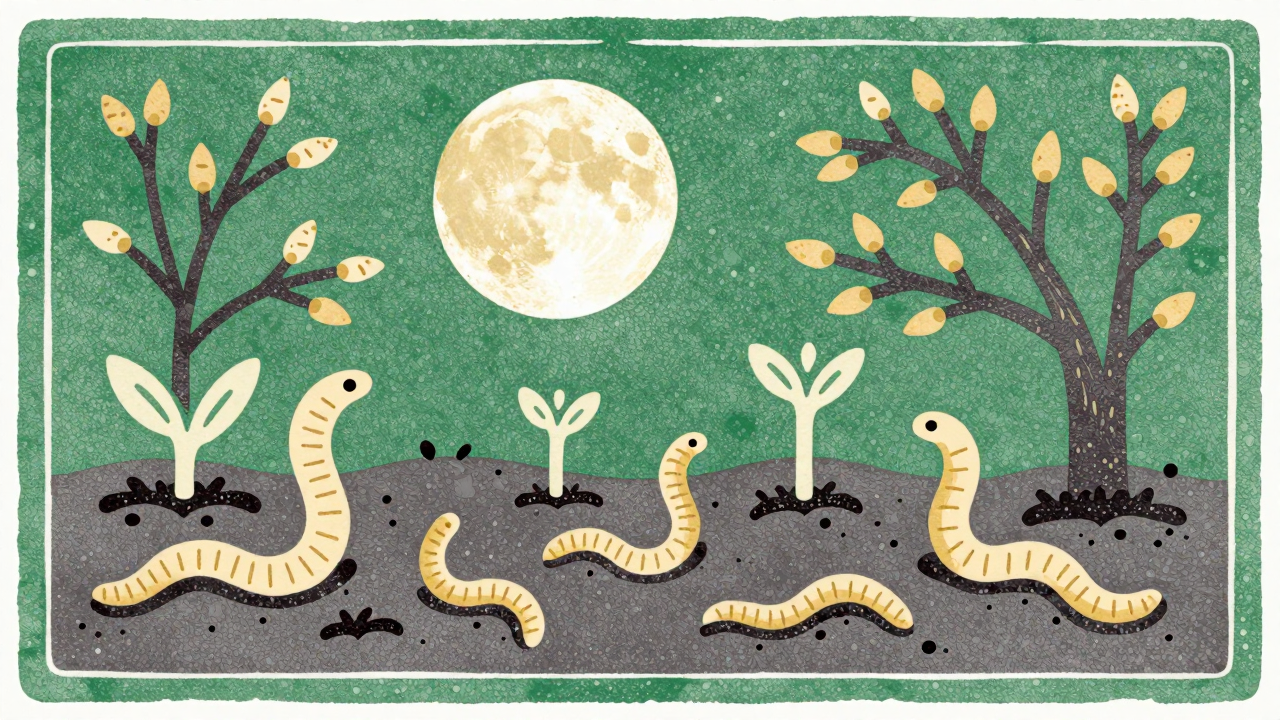
The March Full Moon, observed on March 22, is a beautiful celebration of the changing seasons and the awakening of nature. As winter bids farewell, this full moon often symbolizes renewal, growth, and the promise of spring. Traditionally known as the "Worm Moon," it gets its name from the earthworms that begin to emerge as the ground thaws, signaling a time of new life and vibrant growth. Communities around the world take a moment to pause, reflect, and appreciate the beauty of the natural world as it begins to stir back to life.
During this enchanting lunar event, many people take the opportunity to gather with friends and family, sharing stories, enjoying outdoor activities, or simply basking in the moonlight. The March Full Moon invites us to connect with nature and each other, reminding us of the cyclical patterns of life. Whether you choose to celebrate with a quiet evening of reflection or a lively gathering, this full moon offers a chance to appreciate the beauty of transition and the hope that comes with the arrival of spring. Embrace the magic of March 22 and let the glow of the moon inspire your journey into the new season ahead.
History
The March Full Moon, also known as the "Worm Moon," is observed on March 22 each year. This lunar phenomenon marks an important turning point in the seasonal calendar, traditionally signaling the arrival of spring in the Northern Hemisphere. The name "Worm Moon" has roots in Native American culture, where it refers to the time of year when earthworms begin to emerge from the thawing ground, heralding the start of warmer weather and the awakening of the natural world. This connection to the earth and its cycles highlights the close relationship indigenous peoples had with their environment and the changes that came with the changing seasons.
Historically, the March Full Moon has been recognized and celebrated in various cultures around the world. For example, in ancient Roman times, it was associated with the goddess Venus, and was seen as a time of renewal and fertility. As agricultural societies developed, the March Full Moon became increasingly significant as farmers relied on lunar cycles to determine planting times. The full moon's light was utilized to extend working hours in the fields, thereby playing a crucial role in ensuring successful harvests. Over time, these practical applications of the lunar cycle became intertwined with cultural and spiritual practices, leading to various rituals and celebrations dedicated to the March Full Moon.
As societies evolved, the observance of the March Full Moon adapted to reflect changing cultural values and practices. While originally centered around agricultural cycles, modern interpretations often emphasize themes of rebirth and renewal, aligning with the broader celebrations of spring. In many communities today, the March Full Moon is still recognized as a time for reflection and gratitude, where individuals can take a moment to appreciate the beauty of nature and the promise of new beginnings. This evolution highlights the enduring significance of lunar events in human history, as they continue to inspire connection, community, and a deeper understanding of the natural world.
Culturally, the March Full Moon has influenced various traditions and festivities. For many, it serves as an opportunity to gather with family and friends to celebrate the arrival of spring. Activities may include moonlit walks, gatherings around bonfires, or simply taking time to appreciate the beauty of the full moon in the night sky. The March Full Moon invites individuals to connect with the rhythms of nature, fostering a sense of mindfulness and appreciation for the cycles of life that continue to unfold with each passing year.