Emancipation Day (Puerto Rico)
Puerto Rico
About
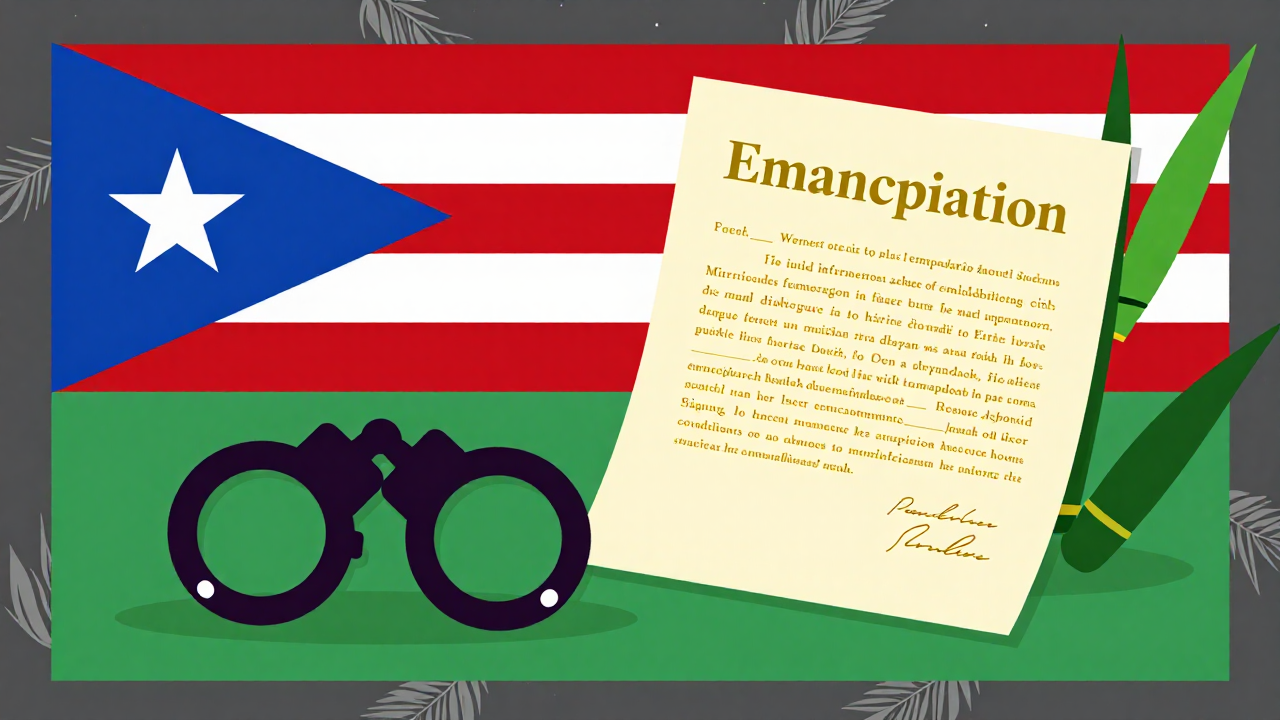
Emancipation Day in Puerto Rico, celebrated on March 22, is a poignant and significant observance that commemorates the abolition of slavery in the territory. This day marks the anniversary of the 1873 decree that freed enslaved individuals, a monumental step toward justice and equality. It serves as a reminder of the resilience and strength of those who fought for their freedom and the ongoing journey toward social justice and human rights.
On this day, Puerto Ricans come together to honor their history and reflect on the struggles and triumphs of their ancestors. Communities often engage in various cultural activities, including music, dance, and educational events that highlight the importance of freedom and the rich heritage of Afro-Puerto Ricans. Emancipation Day not only celebrates the past but also inspires future generations to continue advocating for equality and understanding. As March 22 approaches, the spirit of unity and pride shines brightly, bringing people together to celebrate their shared history and the progress made toward a more inclusive society.
History
Emancipation Day (Puerto Rico), observed on March 22, commemorates the abolition of slavery in Puerto Rico. This significant event traces its roots back to March 22, 1873, when the Spanish government officially abolished slavery in the island, marking a pivotal moment in Puerto Rican history. The law, known as the "Ley Moret," was a response to growing abolitionist sentiments and movements across the Caribbean and the Americas. While the law granted freedom to enslaved individuals, it also established a transition period where enslaved people were required to work for their former owners for a limited time before gaining full freedom. This complex process highlighted the gradual nature of social change during that era.
Over time, Emancipation Day evolved from a legal acknowledgment of freedom into a broader celebration of Afro-Puerto Rican culture and heritage. Initially, the day was primarily recognized by former enslaved individuals and their descendants, but it gradually gained traction among the wider Puerto Rican community. By the 20th century, various cultural and social organizations began to organize events, parades, and educational activities to honor the struggles and contributions of Afro-Puerto Ricans. This shift not only reflected the changing attitudes towards race and identity but also underscored the importance of recognizing the historical injustices that had shaped the island's society.
Culturally, Emancipation Day serves as a reminder of the resilience and strength of the Afro-Puerto Rican community. Celebrations often include music, dance, and art that highlight African influences in Puerto Rican culture, showcasing genres such as bomba and plena, which have roots in African rhythms and traditions. The observance also presents an opportunity to engage in discussions about racial equality, social justice, and the ongoing challenges that Afro-Puerto Ricans face in contemporary society. By commemorating this day, Puerto Ricans reaffirm their commitment to honoring their diverse heritage and promoting inclusivity.
As Emancipation Day continues to be observed on March 22 each year, it has become an essential part of Puerto Rico's cultural calendar. The observance not only commemorates a historical milestone but also serves as a platform for advocacy and education regarding the lasting impacts of slavery and the importance of celebrating diversity within the Puerto Rican identity. Through various events and initiatives, the day fosters a sense of pride and collective memory, ensuring that the legacy of those who fought for freedom is not forgotten.