Dolyatra
India, Nepal, Bangladesh
About
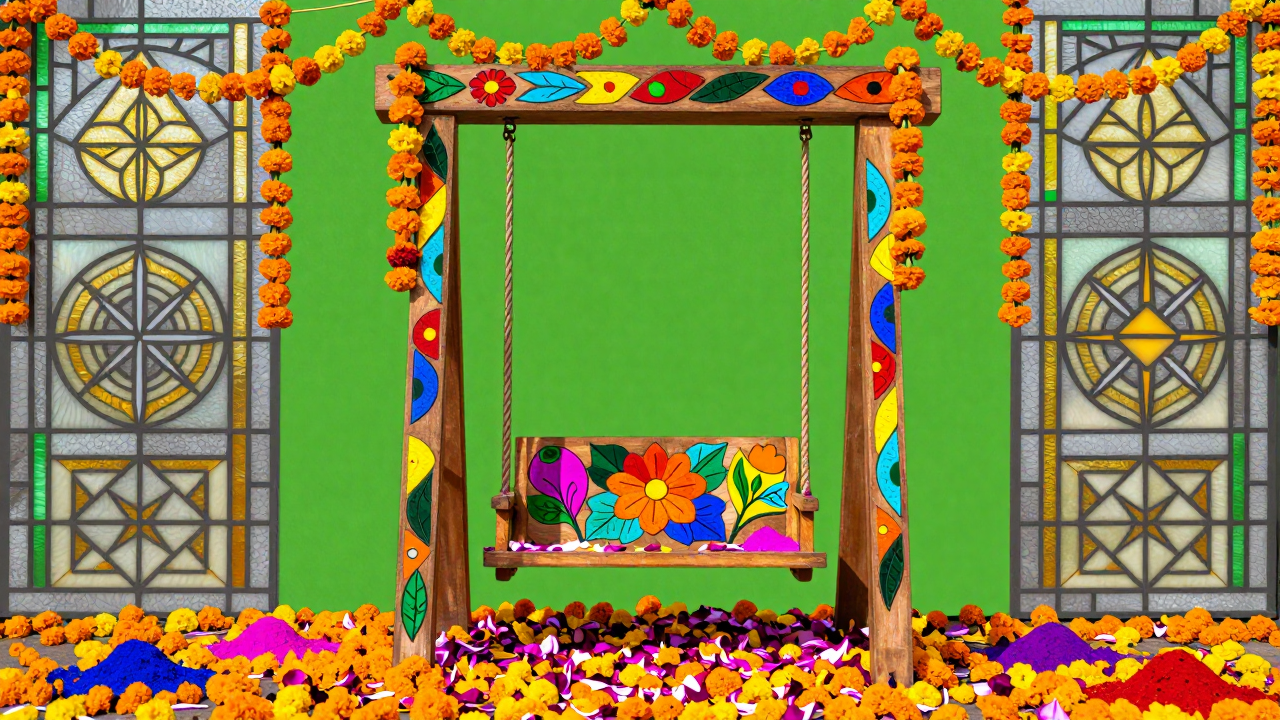
Dolyatra, celebrated on March 22, is a vibrant and joyous festival that marks the arrival of spring in many regions of India, particularly among the Bengali community. This enchanting observance is dedicated to the playful love between Lord Krishna and Radha, symbolizing the triumph of love and joy over adversity. During Dolyatra, devotees take to the streets with colorful decorations, singing, and dancing, all while joyously swinging beautiful idols of the divine couple in decorated swings, known as 'dolas'.
As families and friends gather together, the air is filled with laughter and the sweet fragrance of traditional sweets. People often play with colors, reminiscent of the joyous spirit of Holi, as they celebrate the beauty of love and the changing of the seasons. This day not only fosters a sense of community but also invites everyone to reflect on the importance of love and togetherness in their lives. Dolyatra is a heartwarming reminder of the bonds we share, making it a cherished occasion for all who partake in its festivities.
History
Dolyatra, celebrated on March 22, is a vibrant and joyous festival primarily associated with the regions of West Bengal and Assam in India. This festival, also known as Dol Purnima or Holi, marks the arrival of spring and is dedicated to the Hindu deities Radha and Krishna. The origins of Dolyatra can be traced back to ancient Hindu texts that highlight the playful and romantic escapades of Krishna, particularly his love for Radha. These narratives, rich in cultural significance, have laid the foundation for the festival, which embodies themes of love, joy, and the triumph of good over evil.
As Dolyatra evolved over the centuries, it transformed from a primarily religious observance into a broader cultural celebration. While its roots remain deeply embedded in Hindu mythology, the festival has embraced various local customs and practices, making it a unique amalgamation of spirituality and community engagement. Traditionally, devotees would engage in singing, dancing, and reenacting the divine love stories of Radha and Krishna, culminating in the ceremonial tossing of colored powders and water—an act that symbolizes the arrival of spring and the vibrant hues of nature.
Culturally, Dolyatra holds significant importance as it brings communities together, fostering bonds through shared rituals and festivities. It serves as an occasion for people to express their affection and goodwill towards one another, reinforcing social ties and communal harmony. The festival is characterized by lively processions, music, and dance, with participants adorned in colorful attire, reflecting the lively spirit of spring. The playful nature of color-throwing during Dolyatra not only enhances the celebratory atmosphere but also acts as a metaphor for the joy of life and the vibrant diversity of human experiences.
In contemporary times, Dolyatra has gained recognition beyond its traditional roots, attracting visitors from various backgrounds who wish to witness the rich cultural tapestry it offers. While the essence of the festival remains intact, its observance has also adapted to modern sensibilities, incorporating contemporary elements while still honoring its historical and religious significance. Celebrated annually on March 22, Dolyatra continues to be a cherished occasion that encapsulates the joy of life, love, and the arrival of spring in a colorful and spirited manner.