Erev Purim
Israel, United States, Canada, United Kingdom, France, Australia, South Africa
About
Erev Purim, observed on March 22, marks the eve of the joyous Jewish holiday of Purim, a time filled with festivity, gratitude, and community spirit. This special evening serves as a preparation for the main celebrations, which commemorate the salvation of the Jewish people in ancient Persia, as recounted in the Book of Esther. Erev Purim is a moment for families and friends to come together, reflecting on the themes of bravery and unity that are central to the Purim story.
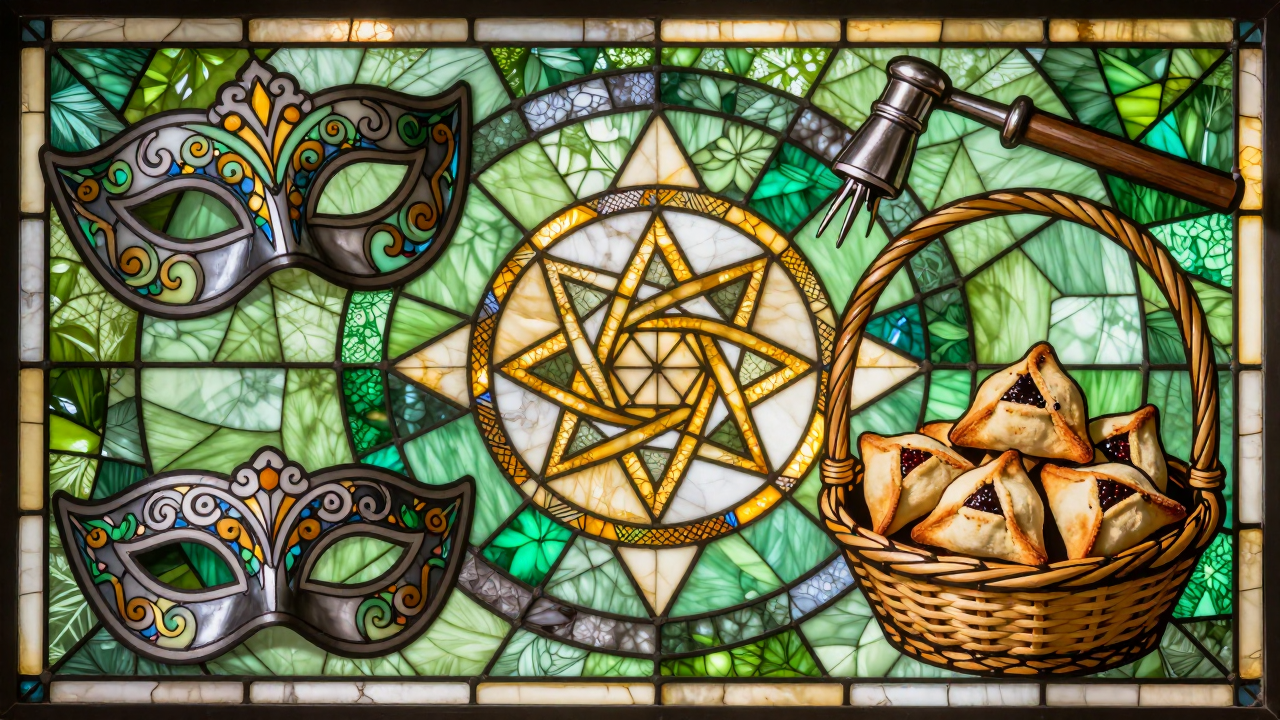
As the sun sets on March 22, many will gather to read the Megillah (the Book of Esther), sharing the tale of Queen Esther and her cousin Mordecai's courageous actions against the villain Haman. This reading is often accompanied by lively celebrations, including singing, dancing, and the enjoyment of delicious treats like hamantaschen—triangular pastries filled with sweet fillings. Erev Purim not only sets the stage for the joyous day to follow but also emphasizes the importance of community, generosity, and the triumph of light over darkness. Whether through festive meals or charitable acts, this evening invites everyone to partake in the rich traditions that make Purim a beloved holiday.
History
Erev Purim, observed on March 22, is the eve of the Jewish festival of Purim, which commemorates the salvation of the Jewish people from Haman’s plot to annihilate them, as recorded in the Book of Esther. The origins of Purim date back to the fifth century BCE, during the Persian Empire, when the Jewish community in Persia faced a grave threat. The story of Esther, Mordecai, and Haman has been passed down through generations, illustrating themes of courage, identity, and divine intervention. Erev Purim serves as a preparatory day for the celebrations that follow, allowing individuals to reflect on the historical events and engage in the rituals associated with the holiday.
Over time, Erev Purim has evolved to include various customs and traditions. It is customary for families to gather for a festive meal, known as the Purim Seudah, which takes place on Purim itself. However, the evening before is marked by the reading of the Megillah (the Book of Esther), which is a central component of the observance. This reading is often accompanied by noise-making to drown out Haman’s name, symbolizing the community's rejection of evil. The atmosphere is celebratory, marked by costumes, feasting, and charitable giving, all of which are essential elements of the Purim festivities.
Culturally, Erev Purim holds significant importance within Jewish communities. It represents not only a time of joy and celebration but also an opportunity for reflection on the themes of resilience and survival. The holiday underscores the importance of community and solidarity, as Jews come together to honor their shared history. The spirit of Erev Purim is characterized by themes of gratitude, as families express appreciation for their freedom and safety. This observance also serves as a reminder of the ongoing struggles that Jewish communities have faced throughout history, making the celebration more poignant and meaningful.
In summary, Erev Purim on March 22 is a vital prelude to the joyous festivities of Purim. Rooted in ancient history, it has evolved into a day filled with various customs that reflect the values and traditions of the Jewish people. As communities come together to celebrate their heritage, Erev Purim remains a significant observance that reinforces cultural identity and collective memory.