International Hemp Day
United States, Canada, Australia, Germany, Netherlands
About
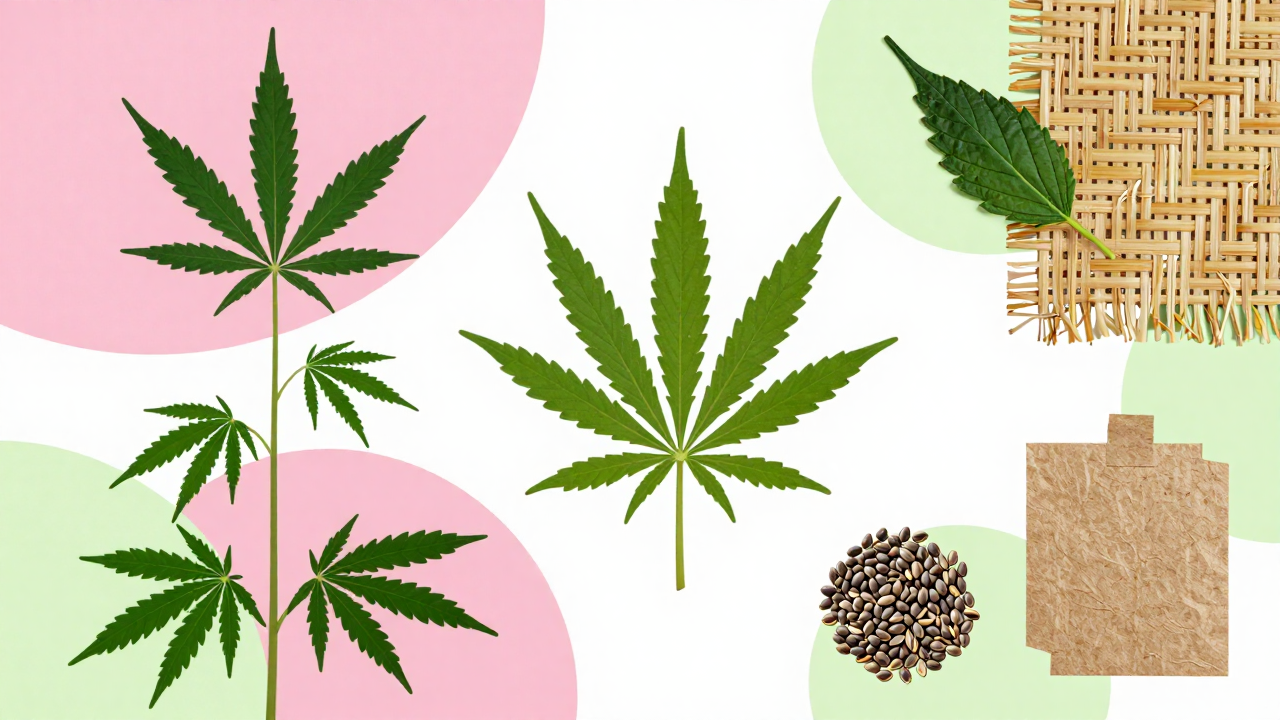
International Hemp Day, observed on April 21, is a vibrant celebration of the versatile and sustainable hemp plant. This day serves as an opportunity to raise awareness about the numerous benefits of hemp, which has been utilized for thousands of years in various cultures around the world. From textiles and paper to food products and eco-friendly building materials, hemp is a remarkable resource that champions sustainability and innovation.
As we commemorate International Hemp Day, it’s essential to recognize the growing movement towards hemp legalization and its potential to create a greener future. The day encourages individuals and communities to explore the many uses of hemp, while also promoting conversations about its role in environmental preservation and economic development. Whether you're a seasoned advocate or just discovering the wonders of hemp, April 21 invites everyone to appreciate this extraordinary plant and its contributions to a more sustainable world.
History
International Hemp Day is observed on April 21 each year, serving as a celebration of hemp's versatile uses and its potential for environmental sustainability. The origins of this observance can be traced back to the broader movement advocating for the legalization and normalization of hemp and cannabis products, which gained momentum in the late 20th century. As public awareness grew regarding the benefits of hemp—ranging from textiles and food to biofuels and construction materials—advocates sought a dedicated day to promote education and awareness about this versatile plant.
The observance of International Hemp Day has evolved significantly since its inception. Initially, it was largely grassroots-driven, with small communities and organizations hosting events focused on the agricultural, economic, and environmental benefits of hemp. Over the years, as attitudes toward cannabis began to shift globally, International Hemp Day gained traction, leading to larger events, such as festivals, workshops, and seminars. These gatherings not only highlighted the plant's historical significance but also explored its potential in combating issues like climate change and promoting sustainable agriculture.
Culturally, International Hemp Day reflects a growing appreciation for sustainable practices and the importance of plant-based industries. Hemp has been cultivated for thousands of years, historically utilized in various cultures for its fibers, seeds, and oils. In recent years, there has been a resurgence of interest in hemp, particularly as societies seek alternatives to environmentally harmful materials and practices. The observance serves as a reminder of hemp's long-standing role in human history while advocating for its future potential in building a more sustainable world.
As April 21 approaches each year, International Hemp Day encourages individuals and organizations alike to participate in discussions, educational initiatives, and events that promote the benefits of hemp. From small-scale local gatherings to larger international conferences, the day aims to inspire a deeper understanding of hemp’s multiple applications and its significance in the quest for sustainability. Thus, International Hemp Day not only honors the plant's rich history but also advocates for its role in shaping a more environmentally conscious future.