Worthy Wage Day
About
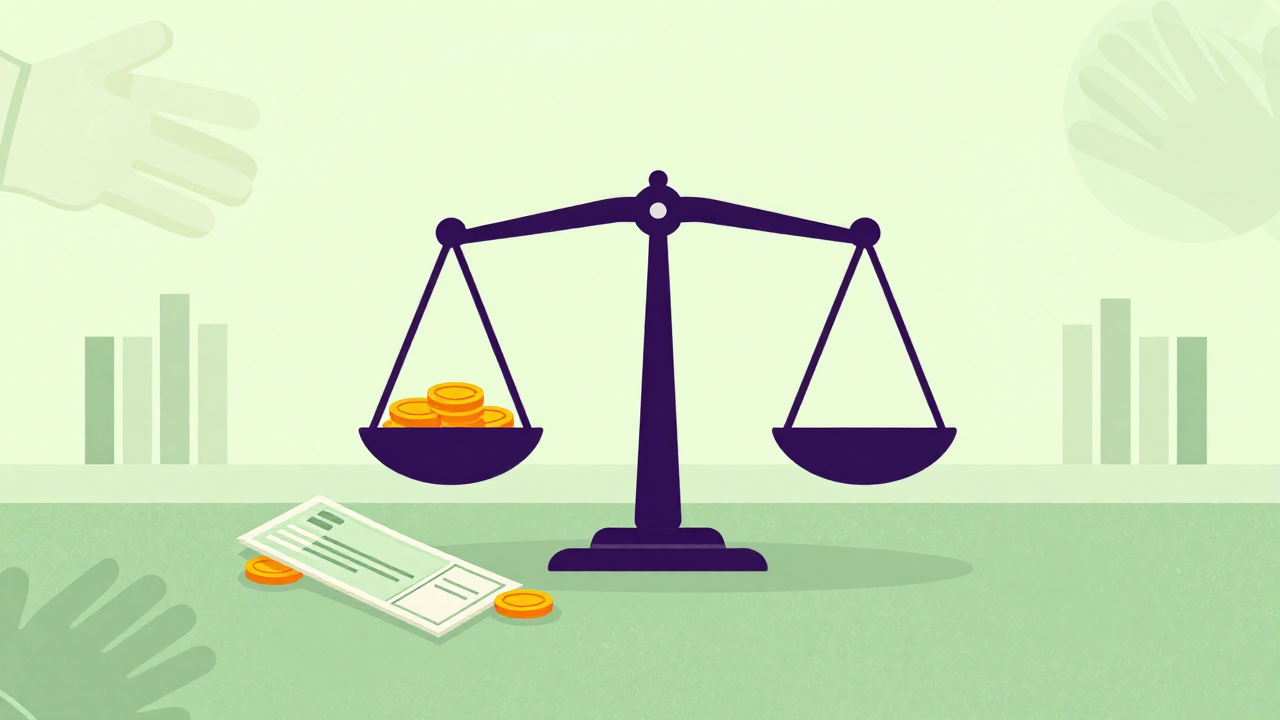
Worthy Wage Day, celebrated on May 1, is a heartfelt observance that honors the dignity of work and the importance of fair compensation for all employees. On this day, communities come together to acknowledge the contributions of workers across various industries and to advocate for equitable wages. The celebration serves as a reminder of the ongoing efforts to ensure that everyone receives a paycheck that reflects their hard work, skills, and commitment.
This special day encourages discussions about labor rights and the significance of fair pay in building a more just society. As people gather to share stories and experiences, Worthy Wage Day fosters a sense of solidarity among workers, employers, and advocates alike. Whether through rallies, educational events, or simply engaging in conversations with friends and family about the value of fair wages, May 1 becomes a powerful platform for raising awareness and inspiring change. Join in the celebration and contribute to the movement for a fairer workplace for all!
History
Worthy Wage Day, observed on May 1, has its roots in the broader labor movement, which emerged during the late 19th century. The observance coincides with International Workers' Day, a celebration of laborers and the working class that advocates for fair labor practices and workers' rights. The significance of this date is particularly tied to the Haymarket affair of 1886 in Chicago, where a peaceful rally advocating for an eight-hour workday turned violent. This incident galvanized the labor movement across the globe, and May 1 became a symbol of workers' struggles, celebrating their contributions and reminding societies of the importance of fair wages and working conditions.
Over the years, Worthy Wage Day evolved as a specific observance emphasizing the need for equitable compensation for all workers. Initially, the focus was primarily on industrial workers, but as awareness spread, it began to encompass various sectors, advocating for fair wages across the board, including service workers, educators, and healthcare professionals. The observance encourages communities to reflect on the ongoing challenges faced by workers and reinforces the necessity of paying a "worthy wage," which is considered a fundamental right rather than a privilege.
Culturally, Worthy Wage Day serves as a rallying point for labor unions, advocacy groups, and individual workers to unite in their demands for fair compensation. Events such as protests, educational campaigns, and community gatherings are organized to raise awareness of wage disparities and to promote policies aimed at achieving economic equity. This observance highlights the vital role of wages in sustaining families and communities, reminding society that fair pay is integral to social justice and economic development.
As Worthy Wage Day continues to be recognized on May 1, its significance remains strong, reflecting the ongoing battles for workers' rights in various industries. The day not only honors past struggles but also energizes current movements, ensuring that the conversation around fair wages persists in the public consciousness. It serves as a call to action for individuals and organizations alike to advocate for fair labor practices and to support policies that promote a living wage for all.