Beltane
United Kingdom, Ireland, United States, Canada, Australia, New Zealand
About
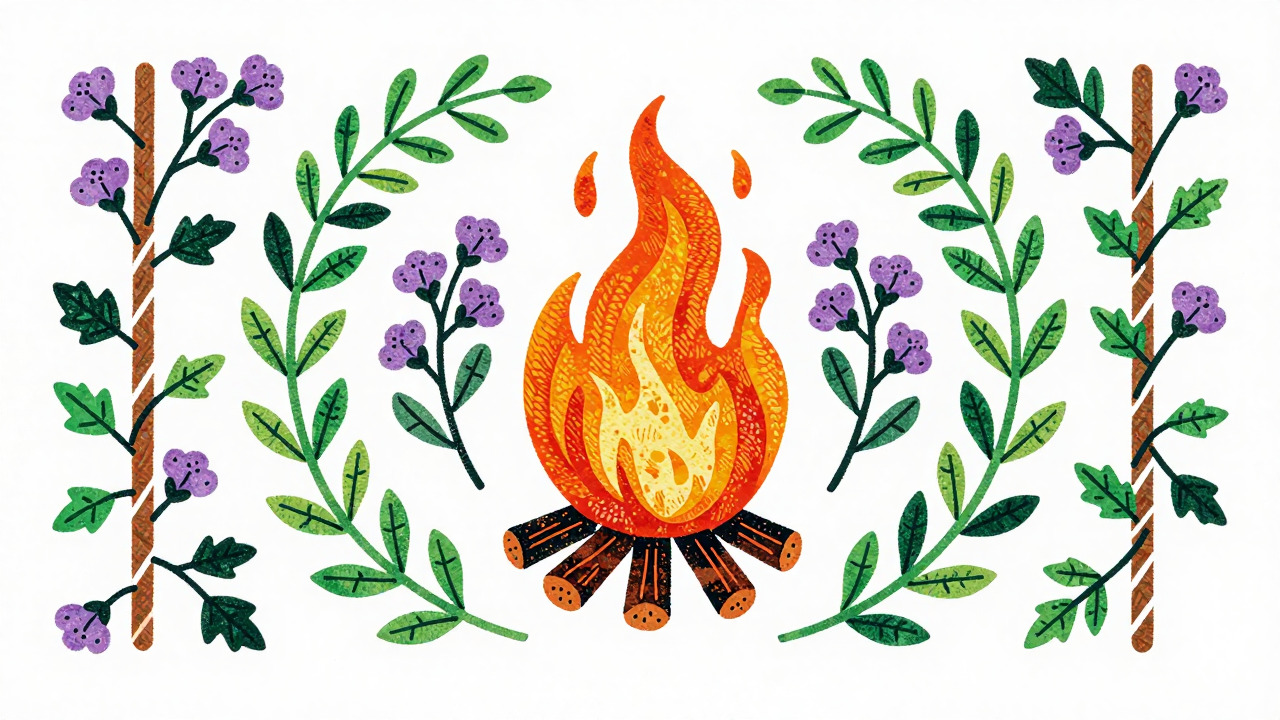
Beltane, celebrated on May 1, is a vibrant and joyous festival that marks the halfway point between the spring equinox and the summer solstice. Originating from ancient Celtic traditions, Beltane is a time to honor fertility, growth, and the abundance of nature as it awakens from the slumber of winter. People gather to celebrate the return of warmth and light, engaging in festivities that often include bonfires, dancing, and community gatherings. The name “Beltane” itself is derived from the Gaelic words for “bright fire,” symbolizing the sun's life-giving energy and the flourishing of crops and livestock.
During this enchanting observance, participants often light bonfires, which are believed to purify and protect, as well as foster fertility in both the land and its people. Traditionally, couples would leap over the flames, a symbolic act of commitment and a wish for future prosperity. In addition to the energetic celebrations, Beltane also invites reflection on the interconnectedness of life and the natural world, encouraging individuals to embrace the beauty of the season and the potential for new beginnings. As you celebrate Beltane on May 1, take a moment to appreciate the blooming flowers, the longer days, and the vibrant life that surrounds you—a true acknowledgment of the earth's beauty and bounty.
History
Beltane, celebrated on May 1, has roots deeply embedded in ancient Celtic traditions, marking the halfway point between the spring equinox and the summer solstice. The name "Beltane" is believed to be derived from the Gaelic words "Bealtaine," meaning "bright fire," which reflects the festival's focus on fire as a symbol of fertility and purification. Historically, Beltane was a time for the ancient Celts to celebrate the arrival of summer, honoring the sun and the earth's fertility, which were crucial for agricultural success.
The origins of Beltane can be traced back to the British Isles, particularly among the Gaelic peoples. The festival involved lighting bonfires on hilltops to ward off evil spirits, encourage crop growth, and protect livestock. The flames were seen as a means of invoking the blessings of the sun god, and people would often leap over these fires as a ritual of purification and fertility. Additionally, Beltane was a time for various fertility rites, including the Maypole dance, which symbolizes the intertwining of the earth and sky, and the union of male and female energies.
As time progressed, Beltane evolved beyond its pagan roots, particularly with the spread of Christianity in the British Isles. Many of the customs associated with Beltane were absorbed into Christian practices; for example, May Day celebrations incorporated elements of both the old pagan traditions and new Christian meanings. Despite the rise of Christianity, many communities continued to observe Beltane in various forms, preserving its significance as a celebration of fertility, growth, and the joy of life.
In modern times, Beltane has seen a resurgence, especially within neo-pagan and Wiccan communities, where it is celebrated as a significant sabbat. The celebration often includes rituals that honor the earth, the changing seasons, and the cycles of life. In many places, festivities involve communal gatherings, music, dancing, and the decoration of homes with flowers and greenery, emphasizing the theme of rebirth and renewal. Beltane remains a vibrant celebration that connects contemporary practitioners with the ancient traditions of the past, making May 1 a day of joy, fertility, and the welcoming of summer.