Calan Mai
Wales
About
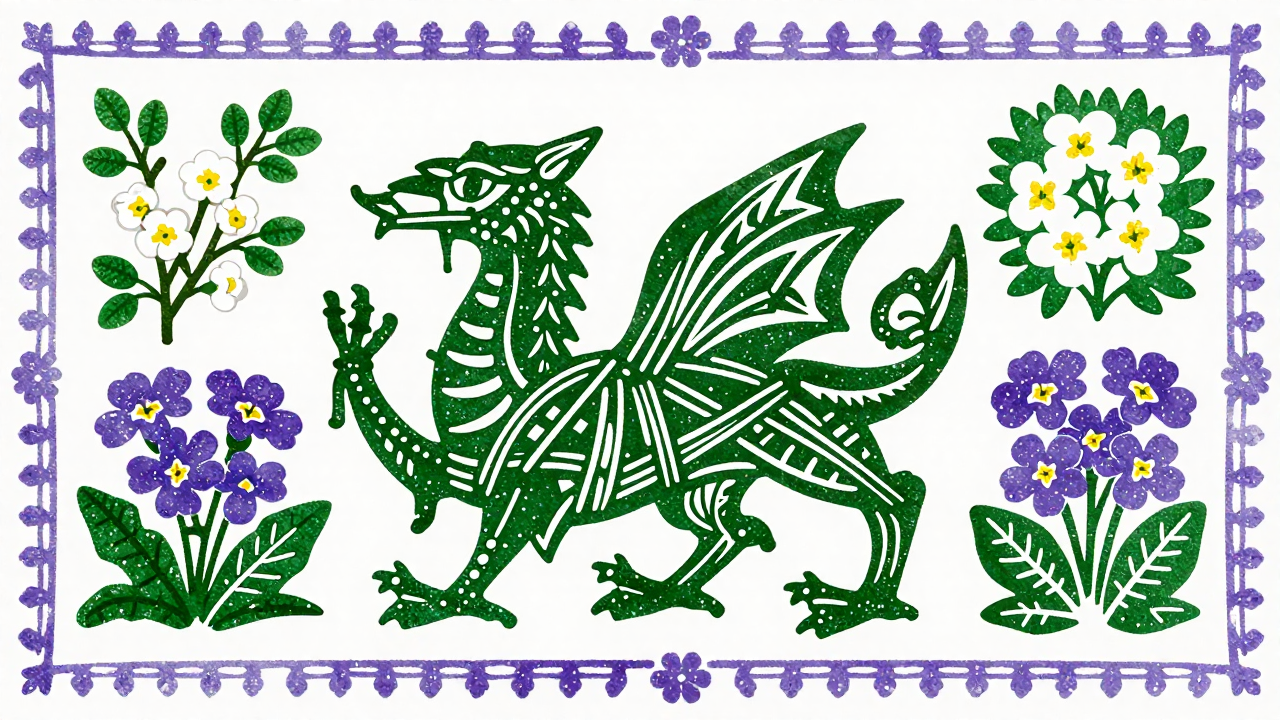
Calan Mai, celebrated on May 1, is a vibrant Welsh festival that marks the arrival of spring and the rejuvenation of nature after the long winter months. This delightful observance is steeped in tradition, embodying the spirit of growth, fertility, and the blossoming of life around us. Communities come together to honor the changing season with various festivities, including dancing, singing, and sharing tasty treats. The air is filled with joy as people adorn their homes and public spaces with blossoms and greenery, symbolizing the lushness of the season.
At its heart, Calan Mai is a time for connection—both with nature and with one another. Many families engage in age-old customs, such as dancing around the maypole, which represents the union of earth and sky. In addition to the joy of celebrating new beginnings, it’s also an opportunity to reflect on the importance of community bonds and the beauty of the world awakening around us. So, on this special day, take a moment to appreciate the vibrant colors and sounds of spring, and perhaps join in the festivities to experience the warmth and joy that Calan Mai brings to everyone.
History
Calan Mai, celebrated on May 1, has its roots deeply embedded in ancient Celtic traditions, particularly among the Welsh. The name itself translates to "May Day," and it marks the arrival of spring, a significant season for agrarian societies. This day was historically associated with fertility, growth, and the rejuvenation of the earth. The Celts believed that May 1 was a time when the boundary between the living and the spirit world was thin, allowing for a strong connection to nature and the supernatural.
Over time, Calan Mai evolved from agrarian rituals into a broader celebration of spring’s vitality. In medieval Wales, it became customary to celebrate with various festivities, including dancing, singing, and feasting. Communities would gather to light bonfires, a tradition believed to ward off evil spirits and promote fertility in crops and livestock. As Christianity spread through the region, many of these pagan practices were integrated into the Christian calendar, but the essence of celebrating the arrival of spring remained intact.
Culturally, Calan Mai holds significant importance in Welsh identity and heritage. It serves as a reminder of the deep connection between communities and their agricultural roots. The observance fosters a sense of unity and joy, as families and friends come together to partake in traditional games, music, and dances. Modern celebrations often include maypole dancing, a symbolic representation of the intertwining of nature and humanity, and floral decorations that embody the vibrancy of spring.
Throughout the centuries, as societal structures changed and urbanization increased, the observance of Calan Mai faced challenges. However, efforts to preserve and revitalize Welsh culture have led to a resurgence of interest in this holiday. Today, communities across Wales celebrate May 1 with a blend of traditional and contemporary festivities, ensuring that the spirit of Calan Mai continues to thrive, honoring the cycles of nature and the rich tapestry of Welsh heritage.