White House Easter Egg Roll
United States
About
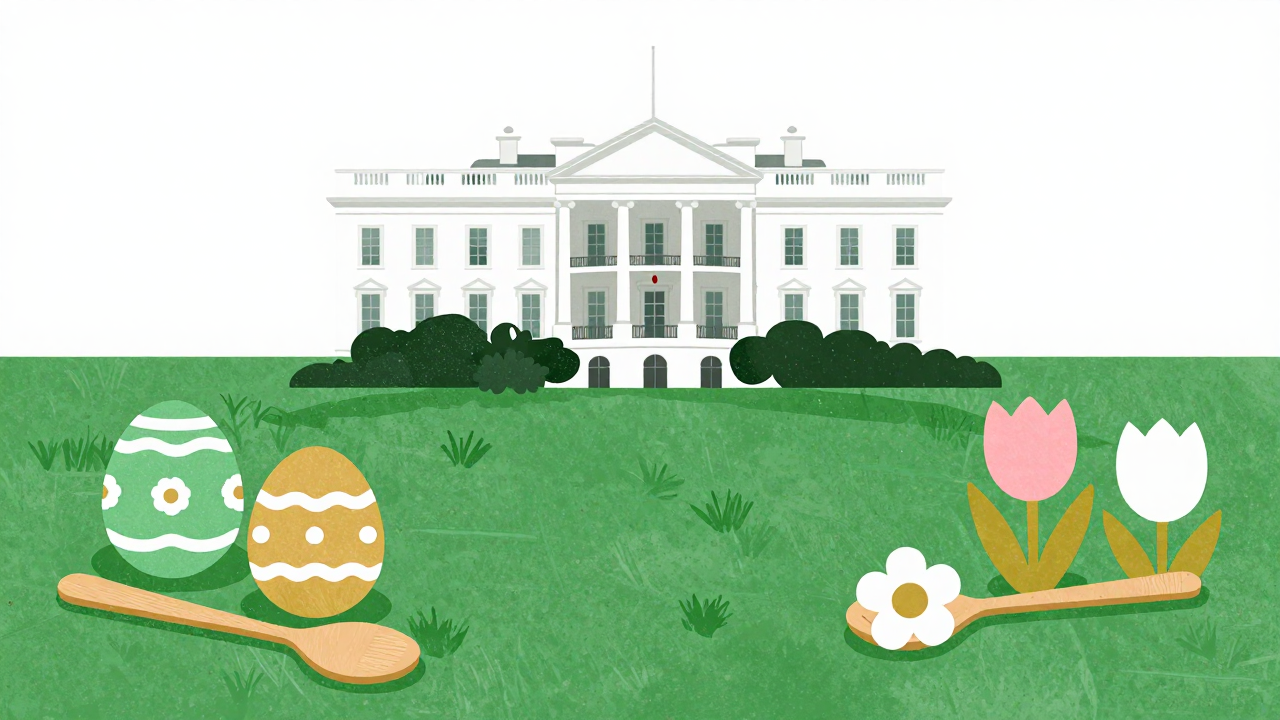
The White House Easter Egg Roll is a beloved annual tradition that takes place on March 29, inviting families and children to the lush grounds of the White House to celebrate the arrival of spring. This delightful event has been a cherished part of American culture since it began in the 1870s, making it one of the oldest traditions at the White House. Each year, children participate in a variety of fun activities, with the highlight being the famous egg roll race, where they use wooden spoons to push decorated eggs across the lawn. The excitement and laughter that fill the air create a joyful atmosphere, as families come together to enjoy games, storytelling, and special appearances.
Beyond the fun and games, the White House Easter Egg Roll also fosters a sense of community, encouraging families to spend quality time together while celebrating the spirit of renewal that spring brings. It serves as a reminder of the importance of family traditions and the joy of sharing special moments with loved ones. So, mark your calendars for March 29 and get ready to hop into this delightful celebration that brings history, community, and the joy of Easter to life!
History
The White House Easter Egg Roll is a cherished tradition in the United States, taking place annually on March 29. This event has deep historical roots, dating back to the 19th century. The first documented Easter Egg Roll at the White House occurred in 1878 during the administration of President Rutherford B. Hayes. The event was inspired by an earlier tradition where children would roll eggs on the lawn of the U.S. Capitol, which had been prohibited. President Hayes and his wife, Lucy, welcomed children to the White House grounds to continue the playful celebration of Easter.
Over the years, the White House Easter Egg Roll has evolved significantly. After its inception in the late 1800s, it became a popular event, attracting large crowds. The event was not held every year initially, and it faced challenges such as the Great Depression and World War II. However, it was revived in the post-war era and became a staple of presidential family traditions. In 1938, the event was officially organized by the White House staff, marking the beginning of a more structured celebration that included various activities for children, such as egg rolling, games, and storytelling.
Culturally, the White House Easter Egg Roll symbolizes family, community, and the arrival of spring. It serves as a festive gathering that reinforces the spirit of Easter while also promoting outdoor activities for children. Each year, the theme of the event reflects contemporary issues and encourages participation from families across the nation. The event has become a platform for promoting healthy living, education, and the importance of outdoor play, aligning with the broader goals of the First Lady's initiatives.
In recent years, the White House Easter Egg Roll has continued to adapt, incorporating modern elements such as social media engagement and interactive activities, making it accessible to a broader audience. The combination of tradition and innovation ensures that the White House Easter Egg Roll remains a beloved event on March 29, celebrating the joy of childhood and the spirit of Easter in the heart of American governance.