Commemoration Of Boganda
Central African Republic
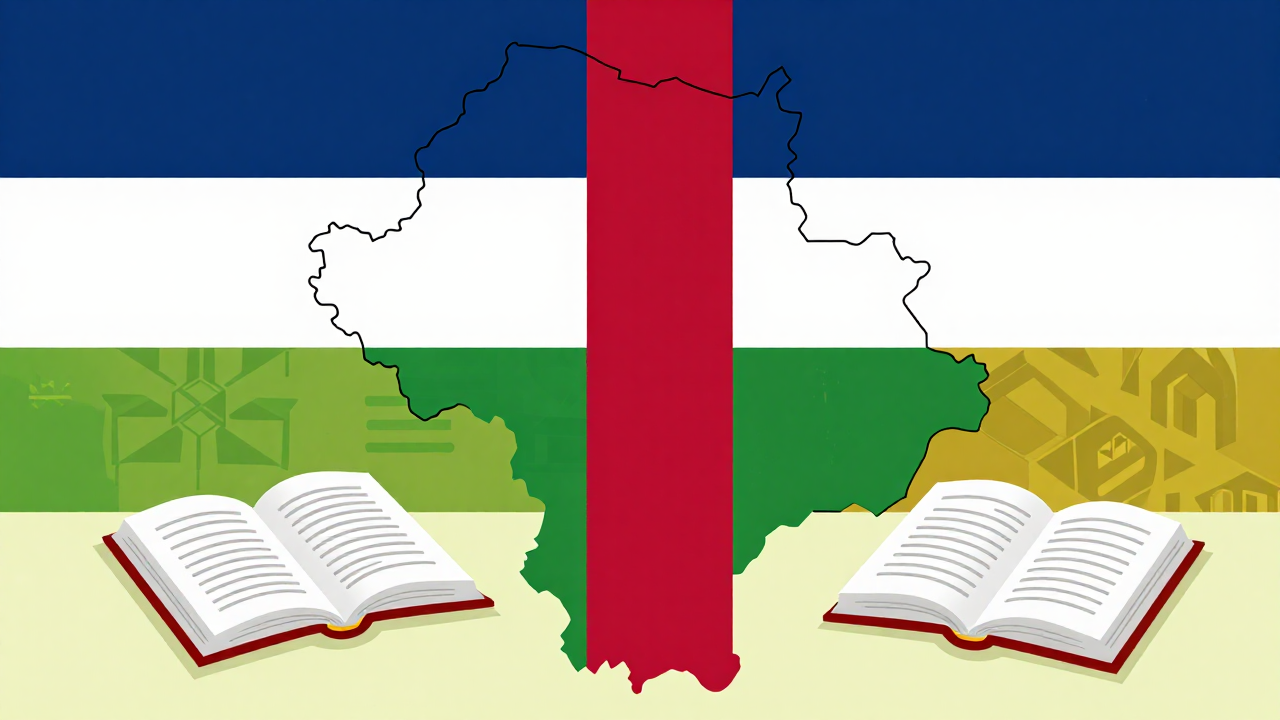
About
The Commemoration of Boganda, observed on March 29, is a heartfelt tribute to the legacy of Barthélemy Boganda, a prominent figure in Central African history. As the founder of the Central African Republic and a passionate advocate for independence, Boganda's vision for his nation was rooted in unity, justice, and prosperity for all citizens. This day serves not only as a reminder of his contributions but also as an opportunity for reflection on the values he championed—the importance of community, resilience, and hope for a brighter future.
On this special day, people across the Central African Republic come together to celebrate Boganda’s enduring impact on their national identity. Events often include public ceremonies, educational programs, and cultural displays that highlight the rich heritage of the nation. Through storytelling and remembrance, citizens honor Boganda's ideals and recommit themselves to fostering a society that reflects his dreams. The Commemoration of Boganda is a day of unity and pride, inviting everyone to engage with their history and look forward to the possibilities that lie ahead.
History
The Commemoration of Boganda is observed annually on March 29 in the Central African Republic, honoring the legacy of Barthélemy Boganda, a prominent political leader and the country's first prime minister. Boganda was a pivotal figure in the struggle for independence from French colonial rule, advocating for national unity and social justice. Born on December 4, 1910, in the village of Bobangui, he rose to prominence in the mid-20th century as a voice for the rights and aspirations of the Central African people. His political career began in the 1940s, culminating in his leadership of the Movement for the Social Evolution of Black Africa (MESAN), which played a significant role in advocating for independence, achieved in 1960.
The observance of the Commemoration of Boganda on March 29 stems from the date of his tragic death in a plane crash in 1959. His untimely passing shocked the nation and left a significant void in Central African politics. Initially marked by memorial events and gatherings, the day has evolved over the decades into a more profound celebration of his vision for a united and independent Central African Republic. As the nation has faced various challenges, including political instability and conflict, this commemoration serves not only as a remembrance of Boganda’s contributions but also as a rallying point for national solidarity and reflection on the country’s ongoing journey towards unity and development.
Culturally, the Commemoration of Boganda holds immense significance for the Central African people. It is a day of national pride, where citizens engage in various activities, including educational programs, speeches, and cultural performances that celebrate Central African heritage. Schools and community organizations often take the opportunity to teach younger generations about Boganda's ideals of unity, democracy, and social justice. The observance resonates with the collective memory of the nation, reminding citizens of the importance of working together towards a common future, despite the diverse ethnic backgrounds that make up the Central African Republic.
Over time, the Commemoration of Boganda has become a symbol of resilience and hope for the Central African Republic. It engages citizens in a dialogue about the country's past and aspirations for the future, encouraging them to reflect on the principles that Boganda stood for. As the nation continues to navigate its complexities, March 29 remains a poignant reminder of the sacrifices made in the pursuit of independence and the enduring quest for a better society for all its people.