Dyngus Day
United States, Poland
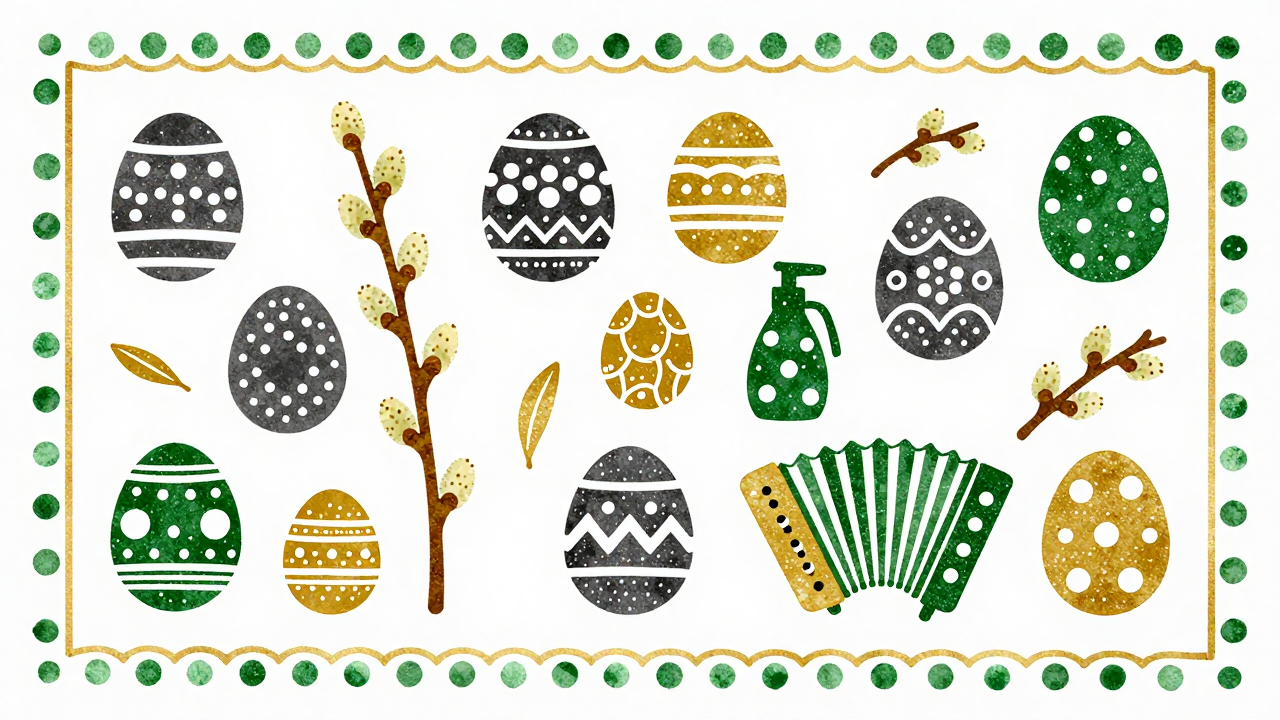
About
Dyngus Day, celebrated on March 29, is a delightful and lively observance that marks the end of Lent and welcomes the joy of spring. This unique holiday has its roots in Polish tradition and is particularly popular in Polish-American communities, especially in cities like Buffalo, New York. The day is filled with a festive atmosphere, featuring parades, polka music, and the joyful spirit of community coming together to celebrate their heritage.
At the heart of Dyngus Day is the playful custom of water splashing, symbolizing purification and the arrival of new life. Traditionally, boys would sprinkle water on girls, and in return, the girls would gently hit the boys with pussy willows. This lighthearted exchange reflects the playful nature of the holiday, emphasizing not only the joy of spring but also the importance of love and friendship in Polish culture. With delicious food, vibrant festivities, and a strong sense of community, Dyngus Day on March 29 is a heartwarming celebration that invites everyone to join in the fun and embrace the spirit of renewal.
History
Dyngus Day, celebrated on March 29, has its roots in Polish tradition and marks the end of the Lenten season, welcoming the joy and festivity of Easter. The name "Dyngus" is derived from the Polish word "dyngus," which refers to a playful water-throwing custom. This practice is believed to have originated in the 14th century, symbolizing the cleansing of sins and the arrival of spring. Traditionally, young men would pour water on women, showcasing their affection and signaling the beginning of the agricultural season. The observance is particularly strong in areas with significant Polish immigrant populations, especially in cities like Buffalo, New York, and Chicago, where large celebrations take place.
As Dyngus Day evolved, its customs and festivities expanded beyond the initial water-throwing rites. The observance began to incorporate various cultural elements, including polka music, traditional Polish foods, and communal gatherings. Over the decades, it transformed into a day of celebration that embraces the heritage of Polish Americans while also inviting those of other backgrounds to partake in the festivities. The event has grown to include parades, parties, and a showcase of Polish cultural pride, with participants often dressing in traditional attire and engaging in folk dance.
Culturally, Dyngus Day serves as a vibrant expression of Polish-American identity. Its significance lies not only in its roots but also in the way it fosters community and connection among those who celebrate it. As a holiday that blends religious and folk traditions, it highlights the resilience of cultural practices amidst the backdrop of American life. The day is marked by a spirit of joy and camaraderie, drawing families and friends together to share in food, drink, and merriment, all while honoring their heritage.
In recent years, Dyngus Day has gained recognition beyond its traditional boundaries, with celebrations popping up in various cities across the United States. This growth reflects a broader trend of interest in cultural observances, as communities seek to maintain connections to their ancestry. On March 29, Dyngus Day stands as a testament to the enduring nature of cultural traditions and the joy of communal celebration, allowing people to reconnect with their roots while fostering a spirit of inclusivity and fun.