Ultra Music Festival
United States, Brazil, South Korea, Spain, Mexico
About
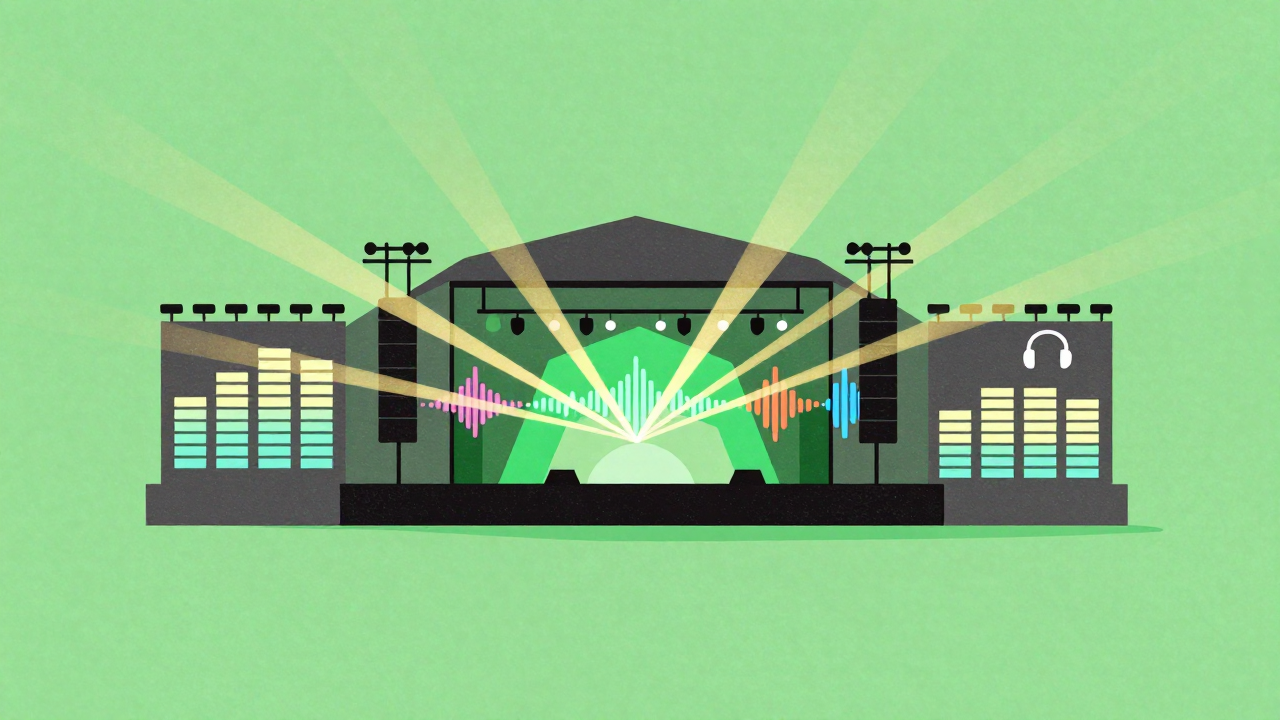
Every year on March 26, music lovers from around the globe come together to celebrate the vibrant and electrifying energy of the Ultra Music Festival. This iconic festival, which originated in Miami, Florida, has become a staple in the electronic dance music (EDM) scene, attracting fans and artists alike. With its dazzling performances, breathtaking stage designs, and an atmosphere charged with excitement, Ultra Music Festival is more than just an event; it's a celebration of community, creativity, and the unifying power of music.
As the sun sets and the beats drop, attendees are enveloped in an immersive experience that showcases some of the biggest names in electronic music, alongside emerging talent. The festival's commitment to innovation and artistry is reflected in its elaborate setups and unforgettable visual displays, making it a feast for the senses. On March 26, fans gather not only to enjoy the music but also to forge connections, dance freely, and celebrate their shared passion for the art form. Whether you're a seasoned festival-goer or a first-time attendee, Ultra Music Festival promises an unforgettable experience that resonates long after the last note fades.
History
Ultra Music Festival (UMF), celebrated on March 26, has its roots in the vibrant electronic dance music (EDM) scene that emerged in the late 1980s and early 1990s. The festival was founded in 1999 by Russell Faibisch and Alex Omes in Miami, Florida, initially as a one-day event that took place at the Collins Park. The first edition featured a modest lineup of DJs and attracted a small crowd of music enthusiasts who were passionate about electronic music. The festival's name, "Ultra," is derived from the term used in electronic music to denote a high level of intensity and energy, perfectly encapsulating the spirit of the event.
Over the years, Ultra Music Festival has evolved significantly, both in scale and cultural impact. By 2001, the festival expanded to two days and began to attract prominent international DJs and electronic music acts, establishing itself as a key player in the global music festival circuit. The growth continued, and in 2006, UMF transitioned to a new venue at Bayfront Park in downtown Miami, allowing for even larger audiences and more elaborate stages. By the 2010s, the festival had become a cornerstone of Miami Music Week, drawing attendees from around the world and solidifying its reputation as one of the premier EDM festivals.
The cultural significance of Ultra Music Festival extends beyond its musical offerings; it has become a symbol of the global electronic dance music movement. UMF has played a crucial role in the mainstream acceptance of EDM, helping to launch the careers of numerous artists and establish Miami as a hub for electronic music. The festival is known for its innovative stage designs, cutting-edge technology, and immersive experiences, which contribute to a unique atmosphere that celebrates not only the music but also the community it fosters. Additionally, the festival has expanded internationally, with editions now held in various countries, further amplifying its influence on the global music landscape.
As Ultra Music Festival is observed on March 26, the day is marked by fans and artists alike, with celebrations and events leading up to the festival that highlight the diversity and creativity within the EDM genre. The festival continues to adapt and innovate, remaining a vital part of the cultural fabric of electronic music and influencing future generations of artists and fans. Its legacy is not only defined by unforgettable performances but also by the connections and experiences it creates, making March 26 a significant date for those who celebrate the power of music.