Good Friday
United States, Canada, United Kingdom, Australia, New Zealand, Germany, France, Italy, Spain, South Africa, Ireland, Brazil, Philippines, Sweden, Norway, Finland
About
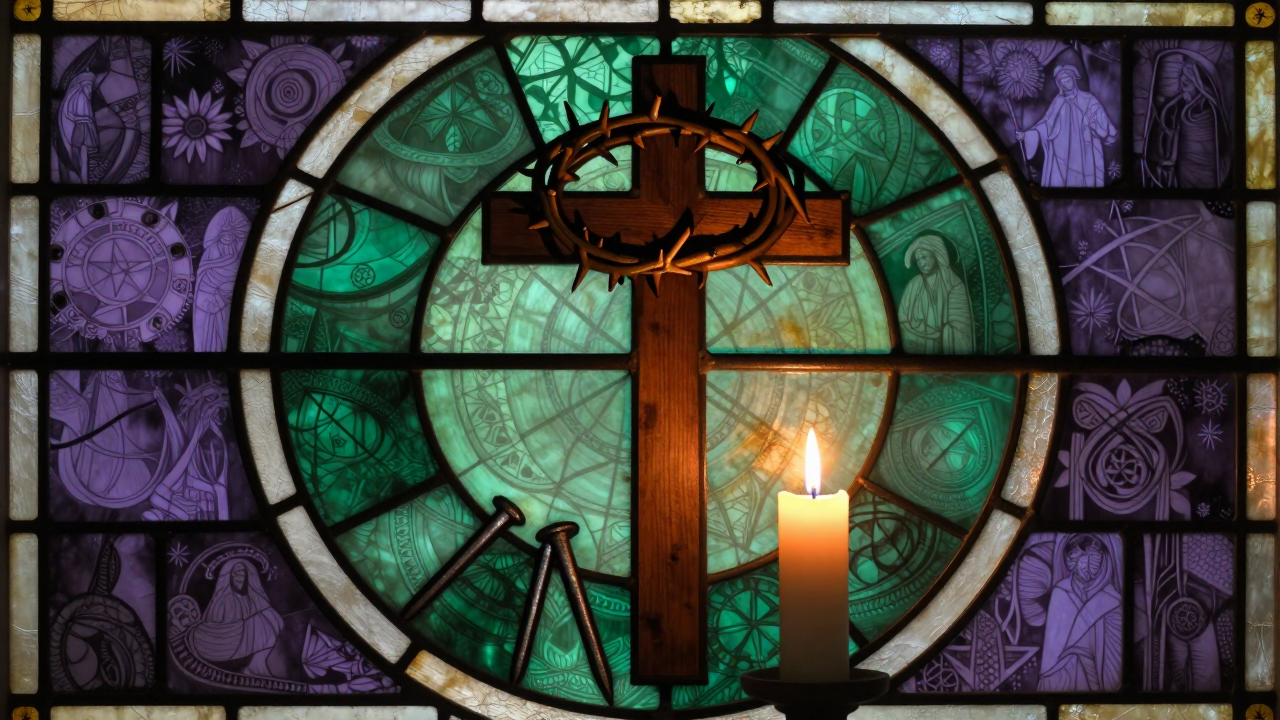
Good Friday, observed on March 26, is a deeply significant day in the Christian calendar, marking the crucifixion of Jesus Christ and his sacrificial death for humanity's sins. This somber occasion falls during Holy Week, leading up to Easter Sunday, and invites reflection, prayer, and a renewed commitment to faith. For many, it serves as a poignant reminder of the themes of sacrifice, redemption, and hope that are central to Christianity.
Traditions associated with Good Friday vary around the world, but many Christians participate in solemn church services, often marked by fasting and penance. Some communities hold processions, reenacting the journey of Christ to the cross, while others may engage in meditation or quiet contemplation. This day encourages believers to reflect on the depth of their faith and the profound love demonstrated through the events of the crucifixion. As families and congregations come together, Good Friday fosters a sense of unity and reverence, setting the stage for the joyous celebration of Easter just a few days later.
History
Good Friday, observed on March 26, is a significant day in the Christian calendar, commemorating the crucifixion of Jesus Christ and his death at Calvary. The origins of Good Friday can be traced back to the early centuries of Christianity, where it was observed as part of the Paschal Triduum, which includes Maundy Thursday and Easter Sunday. The term "Good" in Good Friday is believed to have derived from "God's Friday," reflecting the solemn nature of the observance as well as its importance in the context of salvation and redemption.
As Christianity spread throughout the Roman Empire and beyond, the observance of Good Friday became formalized. In the 4th century, the Council of Nicaea in 325 AD played a crucial role in establishing a unified date for Easter and the days leading up to it, including Good Friday. Early Christians held various rituals to mark this day, including fasting and prayer, which have evolved into contemporary customs such as attending church services and participating in reenactments of the Passion of Christ.
Over time, Good Friday has developed a rich cultural significance across various Christian denominations. In many countries, it is a public holiday characterized by solemnity and reflection. Traditions vary widely; for instance, in some cultures, it is customary to fast or abstain from certain foods, while in others, processions and dramatic representations of the crucifixion are held. The day is marked by an atmosphere of mourning, often reflected in the liturgical practices that emphasize the somber nature of the event.
In contemporary society, Good Friday remains an essential observance for many Christians, symbolizing their faith and commitment to the teachings of Jesus. It serves as a reminder of sacrifice, compassion, and the hope of resurrection, which is celebrated just days later on Easter Sunday. The enduring relevance of Good Friday highlights its integral role in the Christian narrative and the broader cultural landscape, making March 26 a day of profound significance for millions around the world.