Independence Day of Bangladesh
Bangladesh
About
Independence Day of Bangladesh, celebrated on March 26, marks a pivotal moment in the nation's history. This day commemorates the declaration of independence from Pakistan in 1971, a significant event that sparked a nine-month-long war for liberation. It is a time for the people of Bangladesh to reflect on their journey towards sovereignty, honoring the sacrifices made by countless individuals who fought for the right to self-determination. With profound national pride, citizens come together to celebrate their hard-won freedom and the rich cultural heritage that defines their identity.
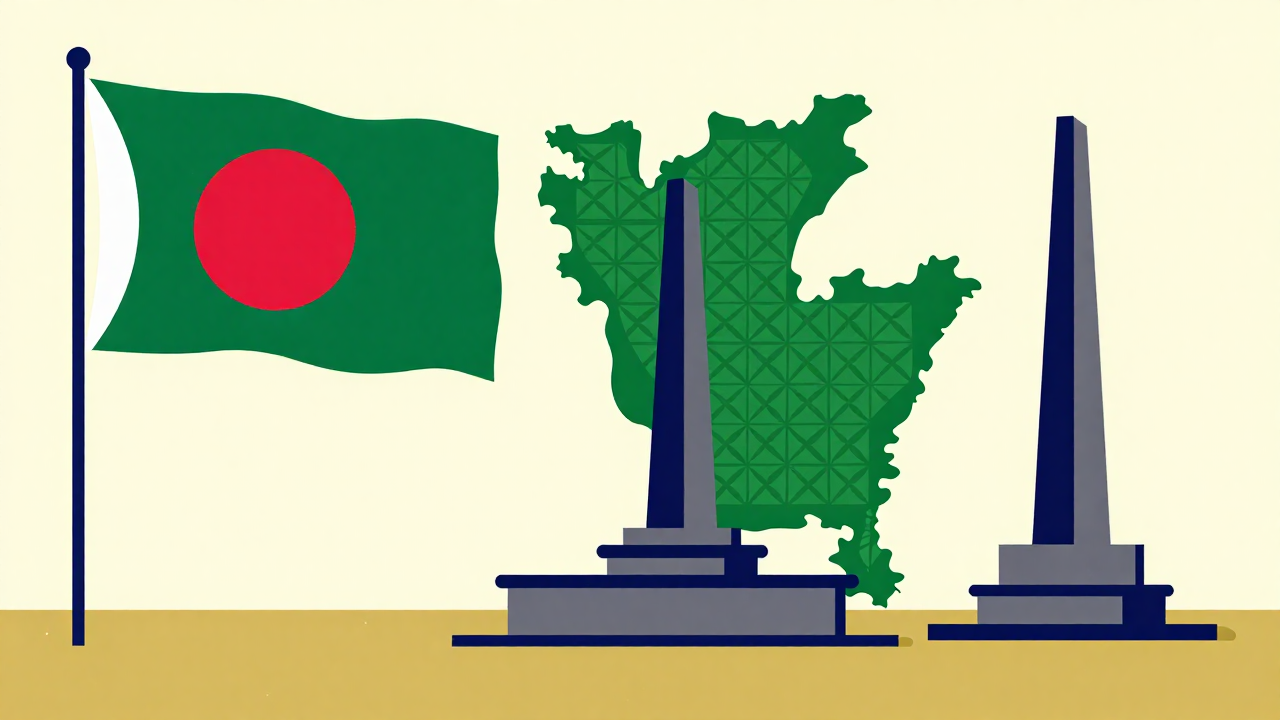
On this day, festivities unfold across the country, from vibrant parades and cultural performances to heartfelt speeches and ceremonies. The spirit of unity and patriotism fills the air as families gather to enjoy traditional foods and share stories of resilience and hope. The day is not only a celebration of independence but also a reminder of the values of democracy and peace that Bangladesh strives to uphold. As the sun rises on March 26, the national flag is hoisted high, symbolizing the enduring strength and aspirations of the Bangladeshi people.
History
Independence Day of Bangladesh is observed annually on March 26, commemorating the day in 1971 when the country declared its independence from Pakistan. The origins of this significant day stem from a long history of political and cultural tensions between East and West Pakistan. Following a series of discriminatory policies and neglect from the central government in West Pakistan, the people of East Pakistan, who felt marginalized, began to demand greater autonomy and recognition of their rights. The situation escalated dramatically in March 1971, culminating in a declaration of independence by Sheikh Mujibur Rahman, the leader of the Awami League, on the night of March 25. However, this declaration was met with a brutal military crackdown by the Pakistani army, leading to widespread atrocities and a humanitarian crisis.
As the conflict unfolded, March 26 became a pivotal date that marked the beginning of the Bangladesh Liberation War. The war lasted for nine months and involved intense fighting, significant loss of life, and the displacement of millions of people. The international community took notice of the situation, and after considerable struggle, Bangladesh emerged as an independent nation on December 16, 1971. The observance of Independence Day on March 26 serves as a reminder of the sacrifices made during this tumultuous period and the resilience of the Bangladeshi people in their fight for sovereignty.
Over the years, Independence Day has evolved into a national celebration characterized by various events and ceremonies. The day begins with the hoisting of the national flag at dawn, followed by tributes to the martyrs who lost their lives in the struggle for independence. Cultural programs showcasing Bangladeshi heritage, including music, dance, and poetry, are held across the country, fostering a sense of national pride and unity. Government officials and citizens alike engage in activities that honor the legacy of those who fought for freedom, reflecting on the values of democracy and self-determination that the day represents.
Culturally, Independence Day is a time for reflection on the trials faced during the liberation struggle and the subsequent journey of nation-building. It serves as an opportunity for citizens to reaffirm their commitment to the ideals of independence, and to celebrate the rich cultural identity that has emerged in the years since. As such, March 26 is not just a day of remembrance; it is also a celebration of the spirit of resilience and the ongoing quest for progress and development in Bangladesh.