Transfer Day
United States Virgin Islands
About
Transfer Day, observed annually on March 31, is a celebration that marks a significant historical event in the United States Virgin Islands. On this day in 1917, the United States formally purchased the islands from Denmark, a move that changed the trajectory of the territory's development and integration into American society. This day serves as a reminder of the rich cultural heritage and diverse history of the islands, and it is a time for residents and visitors alike to reflect on the journey of the Virgin Islands from colonial rule to their current status.
The observance of Transfer Day offers a wonderful opportunity for communities to come together and celebrate their unique identity. Traditional festivities often include parades, cultural performances, and exhibitions showcasing the vibrant arts and crafts of the islands. It's a time to honor the contributions of the past while looking forward to a future built on unity and resilience. As March 31 approaches, people engage in discussions about their heritage, fostering a deeper understanding of the significance of this day and the history that shapes their present.
History
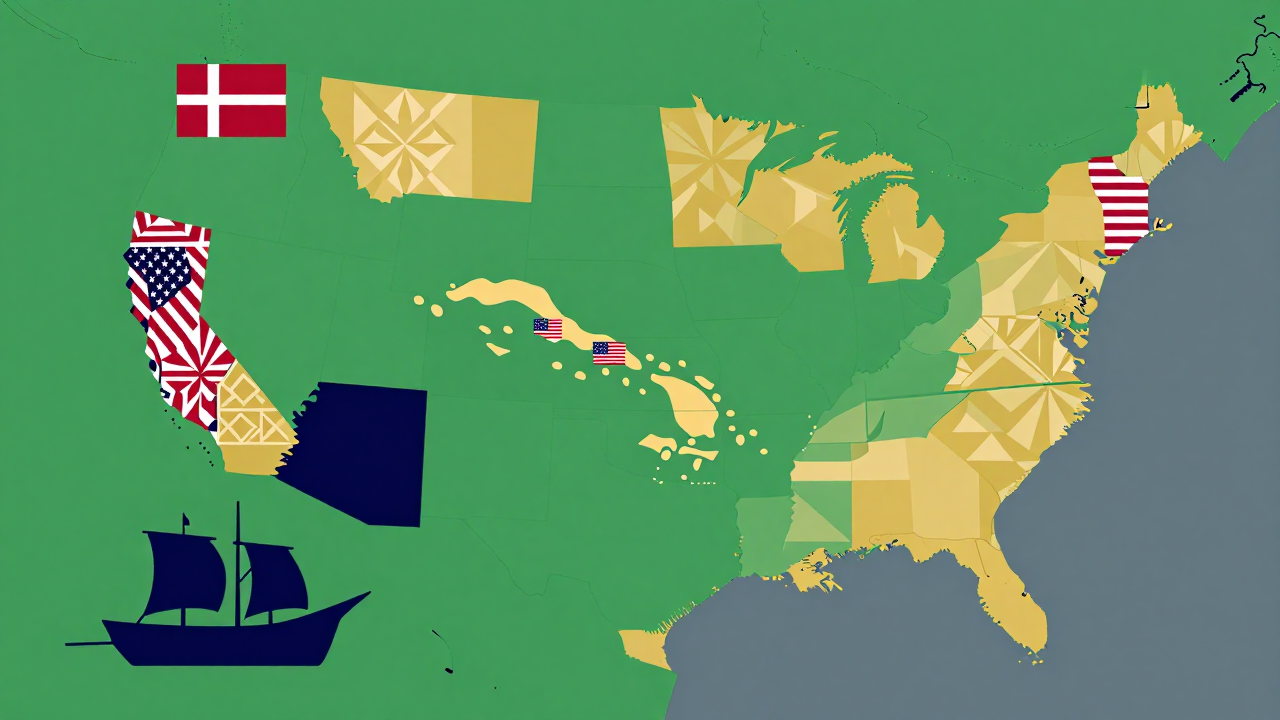
Transfer Day is observed on March 31 and commemorates the formal transfer of the United States Virgin Islands from Denmark to the United States in 1917. This event marked a significant moment in the history of both the islands and the United States, as it represented a shift in colonial power and the beginning of a new chapter for the islands' governance and development. The transfer was motivated by various factors, including strategic military interests during World War I, as the U.S. sought to strengthen its presence in the Caribbean.
The origins of Transfer Day can be traced back to Denmark's colonization of the islands in the 17th century. As European powers vied for control in the Caribbean, the islands became a valuable asset due to their strategic location for trade and military operations. By the early 20th century, the U.S. recognized the potential importance of the Virgin Islands, particularly in the context of the ongoing global conflict. Negotiations between the United States and Denmark culminated in the signing of the Treaty of the Danish West Indies on August 4, 1916, which paved the way for the transfer to be finalized on March 31, 1917.
Over the years, Transfer Day has evolved from a political and historical event into a celebration of Virgin Islander identity and culture. The day is marked with various festivities, including parades, cultural performances, and educational programs that highlight the rich heritage of the islands. It serves as a reminder of the islands' unique history and cultural blend, shaped by both their colonial past and their journey towards self-governance and autonomy.
Culturally, Transfer Day holds significant meaning for the residents of the U.S. Virgin Islands. It is a day of reflection on the islands' complex history and a celebration of the resilience and creativity of their people. The observance fosters a sense of community pride and encourages residents to engage with their local history, arts, and traditions. As such, March 31 not only commemorates a pivotal moment in history but also reinforces the cultural identity of the Virgin Islands and their ongoing evolution in a contemporary context.