Eiffel Tower Day
About
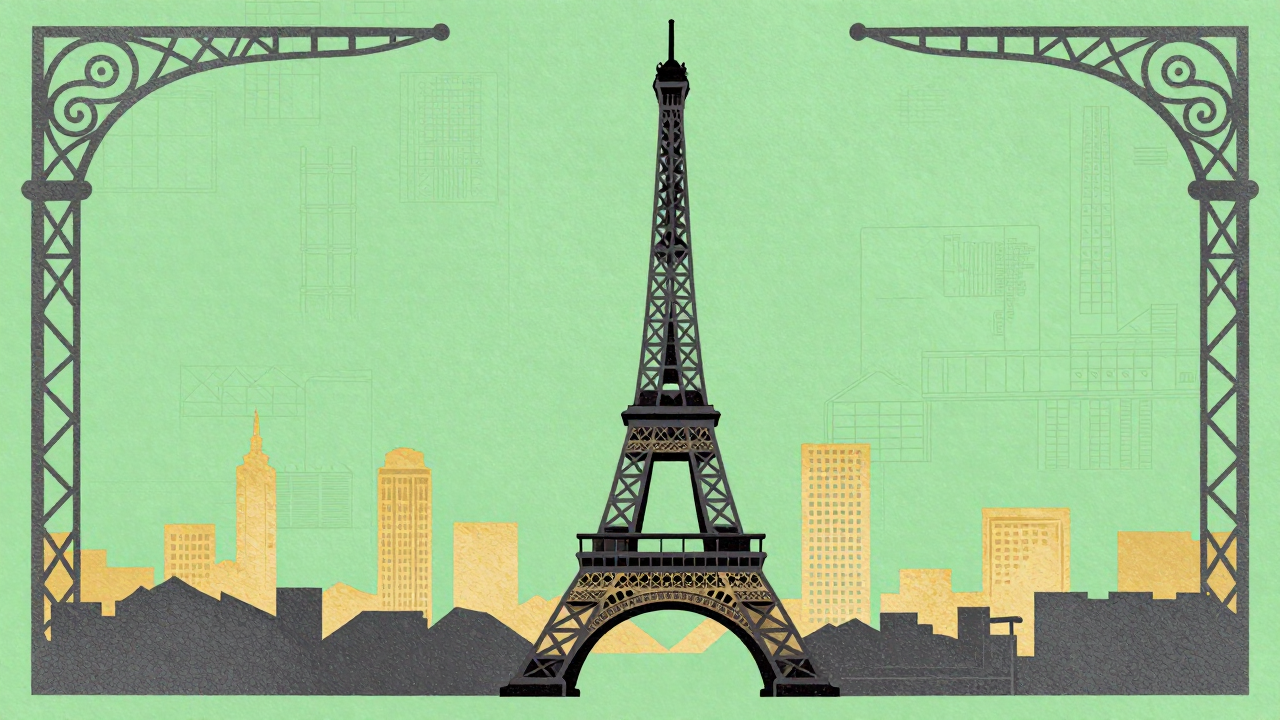
Eiffel Tower Day, celebrated on March 31, invites people around the world to marvel at one of the most iconic structures in history. This observance honors the completion of the Eiffel Tower, an architectural masterpiece designed by Gustave Eiffel, which was inaugurated on this day in 1889. Standing tall at over 1,000 feet, the tower is not just a symbol of Paris, but a testament to engineering ingenuity and artistic vision. Each year, the day serves as a reminder of the cultural and historical significance of this grand iron lattice tower, which has captured the hearts of millions of visitors.
On this special day, enthusiasts and admirers gather to appreciate the beauty and elegance of the Eiffel Tower, sharing stories and experiences related to their visits. Whether you’re fortunate enough to see it in person or simply admire it from afar, Eiffel Tower Day encourages everyone to connect with the spirit of Paris and its rich heritage. Many take this opportunity to explore French culture, cuisine, and art, immersing themselves in the charm that the Eiffel Tower represents. So, mark your calendars for March 31 and join in the celebration of this remarkable landmark that continues to inspire wonder and joy.
History
Eiffel Tower Day is celebrated annually on March 31, honoring one of the most iconic landmarks in the world, the Eiffel Tower. The tower was completed on March 31, 1889, as the centerpiece of the 1889 Exposition Universelle (World's Fair) held in Paris to commemorate the 100th anniversary of the French Revolution. Designed by the engineer Gustave Eiffel and his company, the tower initially faced criticism from prominent artists and intellectuals, who deemed it an eyesore. However, it quickly became a symbol of French ingenuity and artistic expression, attracting millions of visitors and eventually becoming a beloved global landmark.
Over the years, Eiffel Tower Day has evolved into a celebration not only of the structure itself but also of the spirit of innovation and cultural significance it represents. As the Eiffel Tower became a symbol of Paris and a representation of the modern age, its recognition expanded beyond France. By the mid-20th century, the tower had transformed from a controversial structure into an emblem of pride, attracting tourists from around the world. The observance of this day encourages people to reflect on the architectural marvel's historical context, its construction, and its role in showcasing the advancements of the Industrial Revolution.
Culturally, Eiffel Tower Day serves as a reminder of the importance of cultural landmarks in shaping national identity and global perceptions. The Eiffel Tower is not only a testament to engineering prowess but also an artistic statement, blending functionality with aesthetic beauty. Celebrating this day often involves activities such as visits to the tower, educational discussions about its history, and social media campaigns sharing personal experiences or photos taken at the site. The observance promotes appreciation for architectural achievements and encourages a sense of connection to global heritage.
As we mark March 31 each year, Eiffel Tower Day stands as a celebration of not just the structure itself but also the enduring human spirit and creativity that led to its creation. It invites individuals to engage with history, explore the beauty of architecture, and reflect on the cultural narratives that such landmarks embody. Through this observance, the Eiffel Tower continues to inspire awe and admiration, symbolizing the potential for innovation that resides in human endeavor.