Cesar Chavez Day
United States
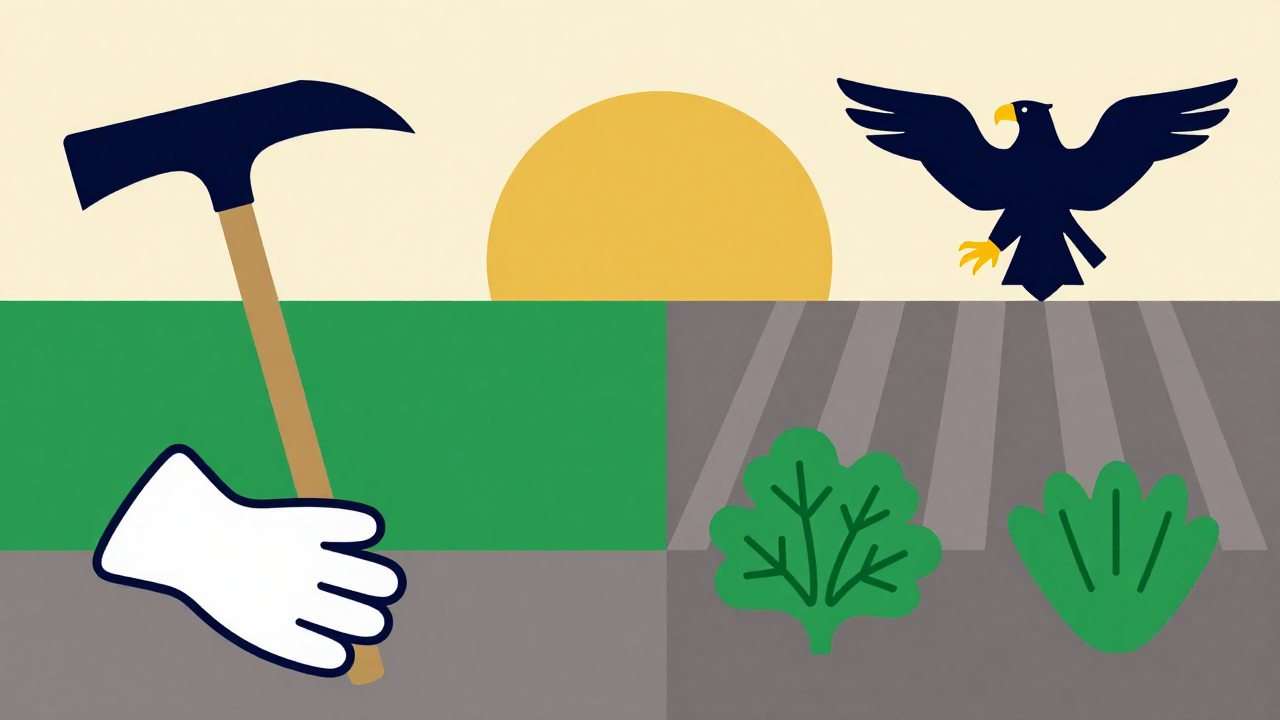
About
Cesar Chavez Day, observed on March 31, is a heartfelt tribute to the remarkable life and legacy of civil rights activist Cesar Chavez. Celebrated primarily in the United States, this day honors Chavez's tireless commitment to advocating for the rights of farmworkers and his role in founding the United Farm Workers (UFW). His efforts not only transformed labor rights but also brought national attention to the struggles faced by agricultural workers, emphasizing the importance of dignity, respect, and fair wages for all.
On this special day, communities come together to reflect on Chavez's contributions and the ongoing movement for social justice. Events often include educational programs, rallies, and volunteer opportunities that promote awareness about workers' rights and the importance of community solidarity. It is a time to celebrate the spirit of activism and to inspire future generations to continue the fight for equality and justice in the workplace. Whether through participating in local events or simply taking a moment to learn about Chavez's impactful work, March 31 serves as a reminder of the power of collective action and the enduring legacy of a true champion for the people.
History
Cesar Chavez Day is observed annually on March 31 to honor the legacy of Cesar Chavez, a prominent labor leader and civil rights activist. Chavez was born on March 31, 1927, in Yuma, Arizona, and dedicated his life to advocating for the rights of farm workers, many of whom were Mexican American. The observance of this day serves as a reminder of his contributions to the labor movement and his advocacy for social justice.
The origins of Cesar Chavez Day can be traced back to the early 1990s when it was first recognized in California in 1994. The day was established to highlight Chavez's commitment to nonviolent protest and collective bargaining, which he utilized to improve working conditions and pay for farm laborers. His work co-founding the United Farm Workers (UFW) in the 1960s played a significant role in the labor rights movement, leading to landmark contracts for agricultural workers. Over the years, the observance has grown beyond California, with various states and municipalities adopting it to celebrate Chavez's contributions to labor rights and social justice.
As the observance evolved, it became a platform for educational activities and community events that celebrate Chavez's legacy. Schools, organizations, and communities engage in service projects, discussions, and cultural events that promote awareness of labor rights and the importance of advocacy. The day also serves as a moment to reflect on the ongoing struggles faced by workers, particularly in the agricultural sector, and to inspire future generations to continue Chavez's work in seeking social justice.
Cesar Chavez Day holds significant cultural importance, especially within Latino communities, where Chavez is celebrated as a symbol of empowerment and resilience. The observance encourages people to remember the importance of community organizing and collective action in the face of adversity. By honoring Chavez's life and work on March 31, individuals are prompted to consider the broader implications of labor rights and social equity, reinforcing the ongoing relevance of his message in today's society.