Teddy Bear Picnic Day
United States, Canada, United Kingdom, Australia
About
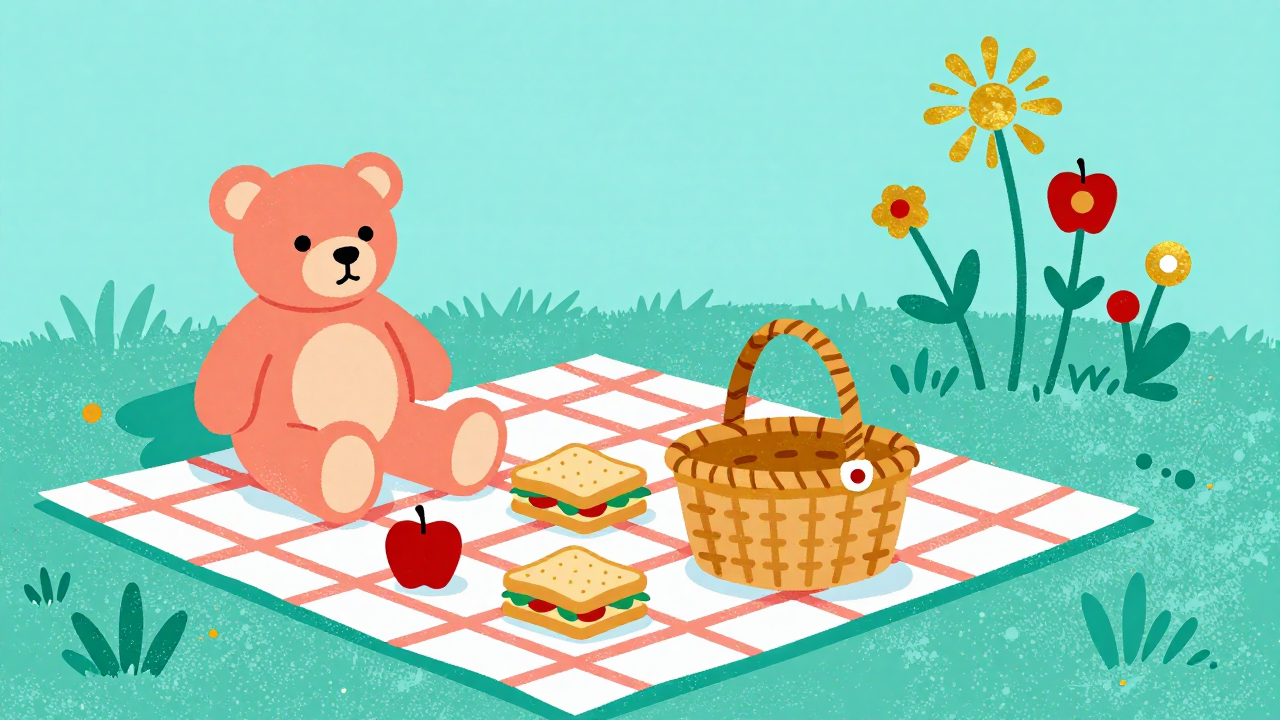
Teddy Bear Picnic Day, observed on July 10, is a cheerful occasion dedicated to the timeless comfort and companionship of teddy bears. It invites children and adults alike to celebrate these beloved plush friends, whose gentle faces and soft cuddles have made them treasured companions for generations.
To mark the day, pack a picnic, bring along a favorite teddy bear, and enjoy a relaxed afternoon outdoors with family or friends. Whether you organize games, share snacks, read stories, or simply pose for photos together, Teddy Bear Picnic Day is a wonderful reminder to make room for imagination, play, and simple moments of joy.
History
Teddy Bear Picnic Day is observed on July 10 as a lighthearted occasion celebrating teddy bears, childhood imagination, and the tradition of outdoor picnics. Although the observance is popular in modern holiday calendars, its precise founder and date of establishment are not clearly documented. Its name is closely associated with “The Teddy Bears’ Picnic,” a song whose music was composed by American musician John Walter Bratton in 1907.
The song gained much wider recognition after British songwriter Jimmy Kennedy added lyrics in 1932. Its cheerful imagery of teddy bears gathering in the woods helped connect the teddy bear with picnics, play, and storybook-style adventures. Over time, the song became a familiar part of children’s entertainment and helped give the phrase “teddy bear picnic” a lasting place in popular culture.
The teddy bear itself has an earlier history. Teddy bears emerged in the United States and Germany in the early twentieth century, and their name is commonly linked to a 1902 incident involving President Theodore Roosevelt. Toy manufacturers soon turned the bear into a beloved children’s companion. By the time “The Teddy Bears’ Picnic” became widely known, teddy bears were already associated with comfort, affection, and imaginative play.
Today, Teddy Bear Picnic Day on July 10 is generally marked through informal activities rather than a single official ceremony. Families, schools, libraries, and community groups may organize picnics in which children bring their favorite stuffed bears, share food, listen to stories, sing the familiar song, or take part in games and crafts. The observance’s cultural significance lies in bringing together nostalgia, outdoor recreation, music, and the enduring role of teddy bears in childhood.