Bahamas Independence Day
Bahamas
About
Bahamas Independence Day, observed on July 10, celebrates the independence of The Bahamas and the nation’s journey as a sovereign country. The day honors the strength, determination, and cultural heritage of the Bahamian people while reflecting on the historic achievement of self-government.
Across the islands, communities mark the occasion with parades, concerts, ceremonies, church services, and lively gatherings filled with Bahamian music, food, and the national colors. It is a joyful opportunity for Bahamians and visitors alike to celebrate the country’s identity, traditions, and hopes for the future.
History
Bahamas Independence Day commemorates the country’s attainment of independence from the United Kingdom on **July 10, 1973**. The modern Bahamian state developed through a gradual process of political change rather than a single sudden break. The Bahamas gained greater control over its domestic affairs in the twentieth century, including internal self-government in 1964. A major turning point came in 1967, when the Progressive Liberal Party formed the government after achieving a decisive electoral victory. This period expanded political participation and strengthened the movement toward national sovereignty.
On **July 10, 1973**, the Bahamas became an independent nation within the Commonwealth. The transition was led by Sir Lynden Pindling, who became the country’s first prime minister after independence and is often remembered as a central figure in the independence movement. Independence did not erase the country’s historical connections with Britain; instead, it established the Bahamas as a self-governing nation with its own constitutional institutions, national symbols, and responsibility for its foreign and domestic affairs.
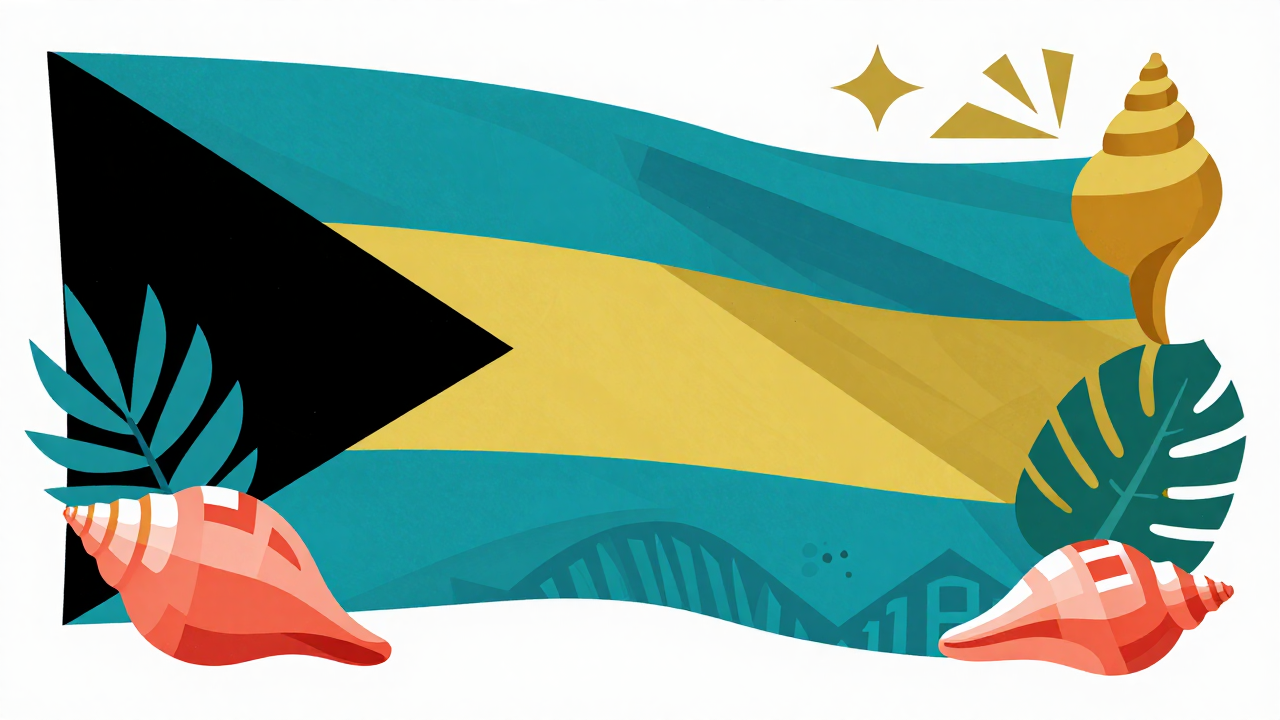
Over time, Bahamas Independence Day has evolved from a commemoration of constitutional change into a broader celebration of Bahamian identity. Public observances commonly feature official ceremonies, speeches, music, church services, cultural performances, parades, and community gatherings. The national flag, whose aquamarine, gold, and black colors reflect the sea, natural resources, and strength of the Bahamian people, is prominently displayed. Festivities also highlight local music, dance, food, crafts, and traditions across the islands.
The observance carries significance beyond the anniversary itself. It honors the political leaders and citizens who helped secure self-determination while recognizing the diverse heritage of the Bahamian people. Each **July 10**, Independence Day provides an opportunity to reflect on the country’s progress since 1973, celebrate its sovereignty, and reaffirm a shared national identity shaped by the islands’ African, Caribbean, European, and maritime histories.