Somalia Independence Day
Somalia, United States, United Kingdom, Canada, Sweden, Kenya, Ethiopia
About
Somalia Independence Day is observed on June 26, commemorating the day in 1960 when British Somaliland gained independence. This important national occasion celebrates Somalia’s journey toward self-determination and the aspirations that shaped the country’s early history.
The day is marked with patriotic pride, cultural events, music, and gatherings that honor Somalia’s heritage and national identity. It offers an opportunity for Somali people at home and around the world to reflect on their shared history, celebrate their culture, and look toward a hopeful future.
History
Somalia Independence Day is observed on **June 26** to commemorate the independence of the former British Somaliland protectorate in 1960. On that day, Britain ended its administration, and the territory became the independent State of Somaliland. The event was a major milestone in the Somali nationalist movement, which had sought to bring Somali-inhabited territories together under self-government and, ultimately, a unified Somali state.
The observance is closely connected to the political changes that followed the end of colonial rule. In the days after independence, the State of Somaliland united with the Trust Territory of Somaliland under Italian administration, creating the Somali Republic. Although the union occurred after June 26, the date remains associated with the first successful achievement of Somali independence and the emergence of a modern Somali national identity.
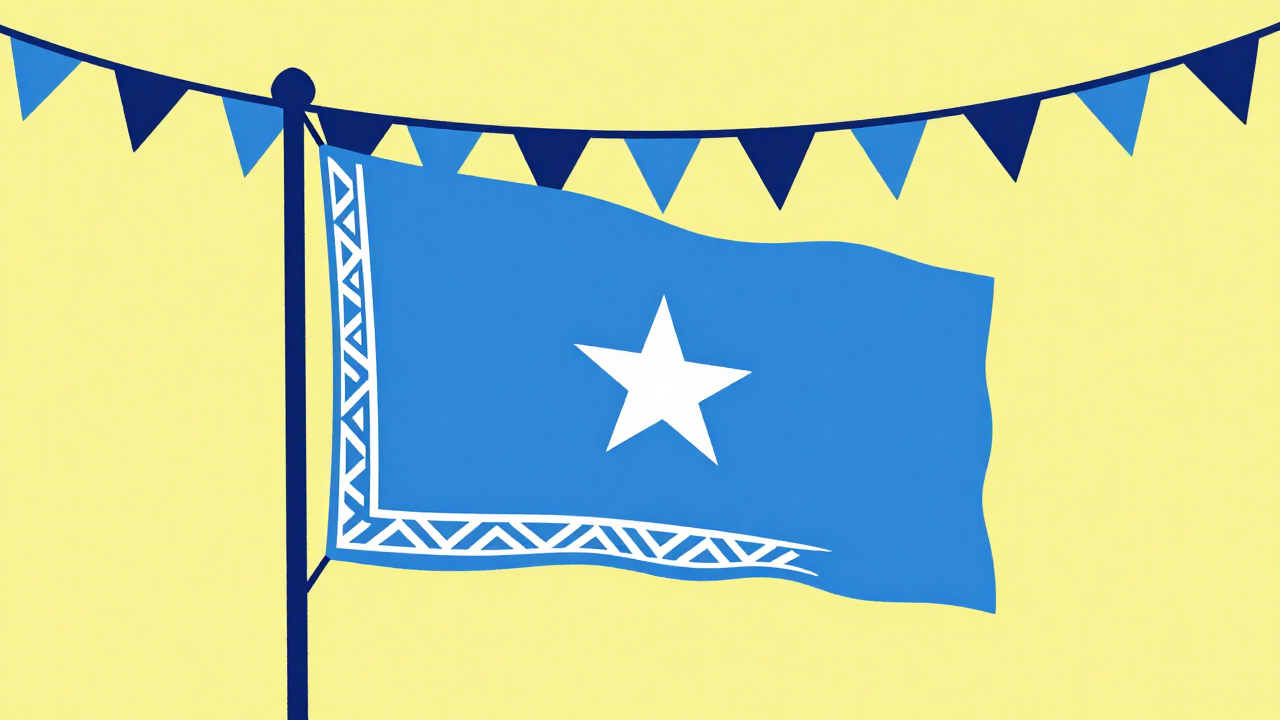
Over time, June 26 developed into a day of national remembrance and public celebration. Ceremonies commonly emphasize the raising of the Somali flag, patriotic music, speeches, and recognition of the leaders and ordinary citizens who contributed to the independence movement. The blue flag and white five-pointed star are especially significant, representing Somali unity and the shared aspirations of Somali communities.
Culturally, Somalia Independence Day reflects both pride in sovereignty and remembrance of a complex national history shaped by colonial boundaries, regional politics, and aspirations for unity. It provides an opportunity to honor the sacrifices associated with independence, celebrate Somali heritage, and consider the country’s continuing efforts to strengthen national institutions and social cohesion.