Madagascar Independence Day
Madagascar
About
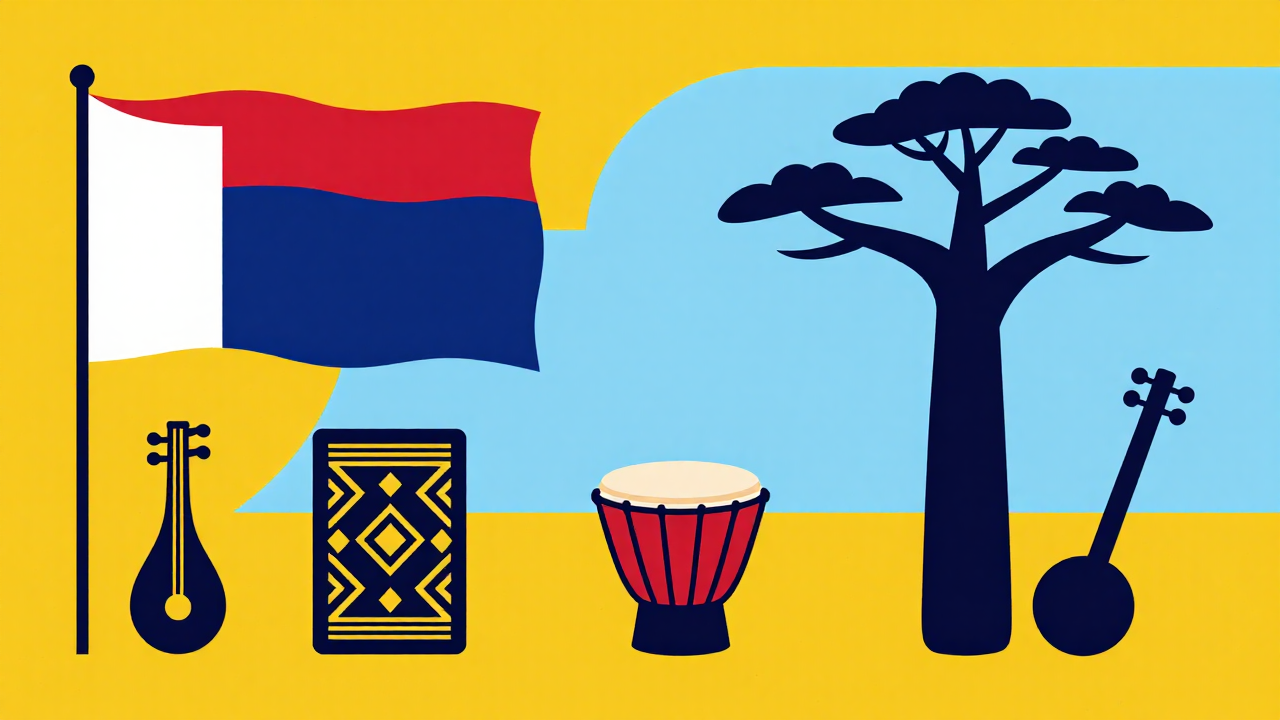
Madagascar Independence Day, celebrated annually on June 26, marks a significant turning point in the history of this vibrant island nation. On this day in 1960, Madagascar proudly declared its independence from French colonial rule, a moment that not only shaped the country's identity but also instilled a deep sense of pride among its people. As the streets come alive with festivities, the atmosphere is filled with the sounds of music, traditional dances, and the vibrant colors of Malagasy culture, reflecting the rich heritage that defines the nation.
The celebration of Madagascar Independence Day is more than just a commemoration of freedom; it is a day of unity and reflection for the Malagasy people. Families gather to enjoy delicious local cuisine, and communities come together to honor their history and the sacrifices made for independence. Parades and cultural events showcase the unique traditions of Madagascar, highlighting the island's diversity and resilience. As the sun sets on June 26, the spirit of independence shines brightly, reminding everyone of the enduring strength and hope that comes with freedom.
History
Madagascar Independence Day is celebrated annually on June 26, marking the day in 1960 when Madagascar gained independence from French colonial rule. The origins of this observance can be traced back to a long history of resistance against colonialism. The island nation was colonized by France in 1896, and during the subsequent decades, various movements and uprisings emerged as Malagasy people sought to reclaim their sovereignty. The most notable of these was the 1947 uprising, which, despite being brutally suppressed, ignited a stronger spirit of nationalism and a desire for self-determination among the Malagasy population.
The road to independence was shaped by a series of political changes in the post-World War II era. The rise of nationalist movements across Africa influenced Madagascar’s push for autonomy. In the late 1950s, negotiations between Malagasy leaders and French authorities led to the establishment of the Malagasy Republic, culminating in the declaration of independence on June 26, 1960. This pivotal moment not only marked the end of colonial domination but also set the stage for the formation of a new national identity, blending traditional Malagasy culture with the aspirations of a modern state.
Over the years, Madagascar Independence Day has evolved into a significant national celebration that embodies the country’s rich history and cultural heritage. The day is marked by various festivities, including parades, cultural performances, and speeches that emphasize national pride and unity. It serves as a reminder of the struggles endured during the colonial period and the collective achievements made since independence. The observance also highlights the importance of preserving Madagascar's unique cultural identity, which is defined by its diverse ethnic groups and languages.
Culturally, Madagascar Independence Day fosters a sense of belonging and community among its citizens. Activities typically include traditional dances, music, and local cuisine, showcasing the vibrant Malagasy culture. Schools and communities often engage in educational programs that reflect on the importance of independence, encouraging younger generations to appreciate their history and the sacrifices made for their freedom. This day not only commemorates the past but also inspires hope and resilience as Madagascar continues to face contemporary challenges while striving for progress and development.