International Day Against Drug Abuse and Illicit Trafficking
United States, Canada, India, Australia, United Kingdom, South Africa, Brazil, Mexico, Germany, France
About
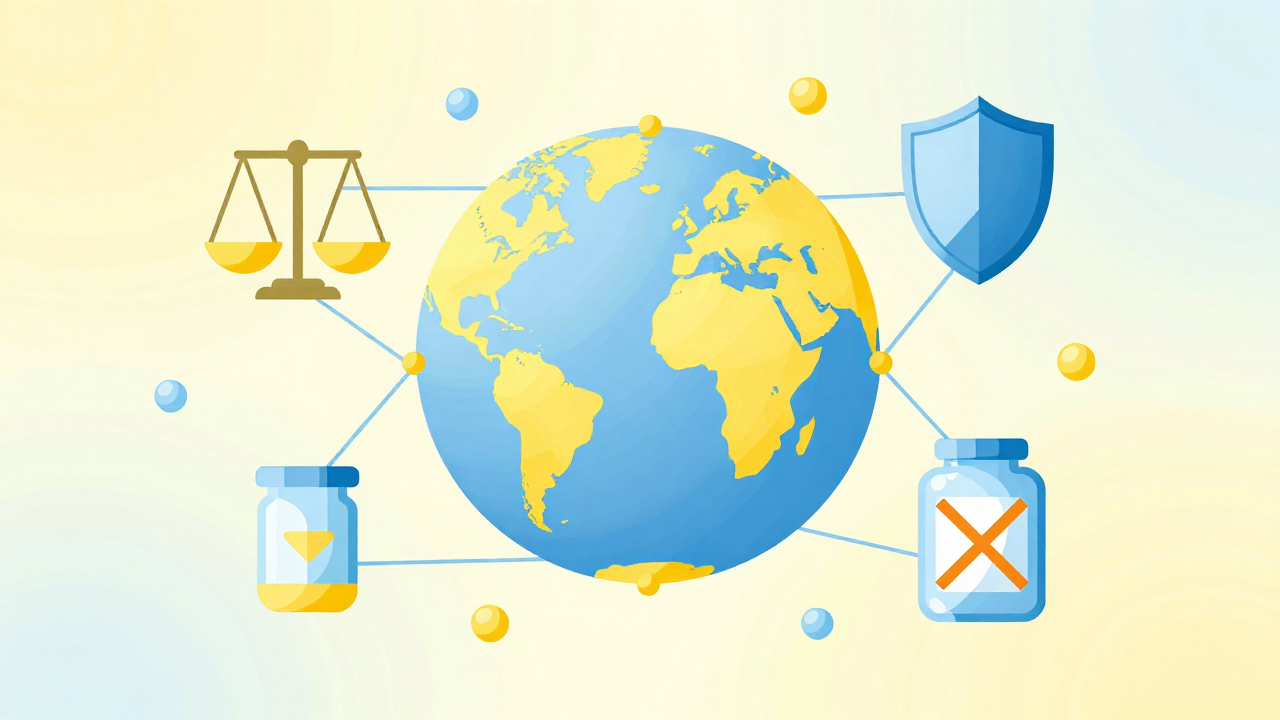
Every year on June 26, the world comes together to observe the International Day Against Drug Abuse and Illicit Trafficking. This important day serves as a reminder of the need to strengthen international cooperation in combating drug-related issues that affect individuals, families, and communities worldwide. Established by the United Nations in 1987, this day not only raises awareness about the dangers of drug abuse but also emphasizes the importance of addressing the complexities of drug trafficking, which impacts social stability and public health.
On this day, various organizations and communities engage in activities aimed at educating the public about the risks associated with drug use and the importance of prevention and treatment. Events may include workshops, seminars, and campaigns that advocate for a healthier, drug-free lifestyle. By coming together to share knowledge and support, we can foster an environment that encourages recovery and promotes well-being. The International Day Against Drug Abuse and Illicit Trafficking encourages everyone to reflect on the impact of substance abuse and to take proactive steps toward a more supportive and informed society.
History
The International Day Against Drug Abuse and Illicit Trafficking, observed annually on June 26, was established by the United Nations in 1987 as a response to the growing global issue of drug abuse and the complexities of illicit drug trafficking. The UN General Assembly adopted a resolution to promote a global society free of drug abuse, recognizing the devastating impact that drugs have on individuals, families, and communities. The date was specifically chosen to commemorate the 1987 signing of the United Nations Convention Against Illicit Traffic in Narcotic Drugs and Psychotropic Substances, a pivotal treaty aimed at combating drug-related crime and establishing international cooperation.
Over the years, the observance has evolved significantly, reflecting the changing dynamics of drug abuse and trafficking. Initially focused on raising awareness, the International Day has expanded to address a broader range of issues, including prevention, treatment, and rehabilitation. Campaigns and activities on this day are designed to educate the public about the dangers of drug abuse and to promote strategies for prevention and reduction of drug-related harm. The UN's World Drug Report, released annually around this date, provides vital data on trends in drug use and trafficking, helping to inform policy and action globally.
Culturally, the observance serves as an important reminder of the collective responsibility to address drug abuse and its consequences. It highlights the need for a coordinated response that includes governments, civil society, and individuals. Various organizations, NGOs, and community groups participate in events such as seminars, workshops, and outreach programs on June 26, reinforcing the message that combating drug abuse is not just a governmental issue but a societal one. The day also fosters a sense of solidarity among those working in the field of drug prevention and rehabilitation, uniting efforts to create healthier communities.
As society continues to grapple with the challenges posed by drugs, the International Day Against Drug Abuse and Illicit Trafficking remains a crucial observance. It not only raises awareness but also drives action towards creating a world free from the harms of drug abuse and trafficking. Each June 26 serves as a call to action, encouraging individuals and societies to reflect on their roles in addressing this persistent issue and to strive for effective solutions that prioritize health, safety, and human rights.