Smart Irrigation Month
United States
About
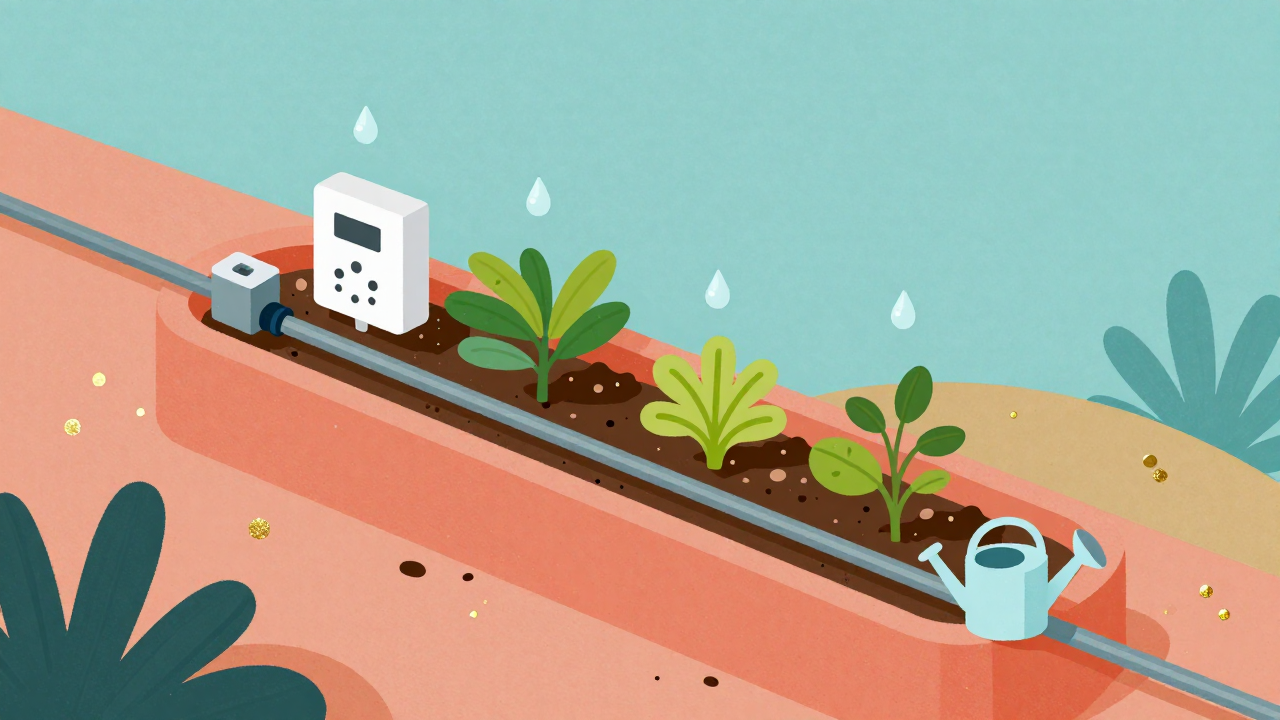
Smart Irrigation Month is observed throughout July as a time to celebrate smarter, more sustainable ways to care for lawns, gardens, landscapes, and crops. The observance highlights irrigation systems and technologies that deliver the right amount of water, in the right place, at the right time—helping reduce waste while keeping plants healthy and thriving.
Throughout the month, people are encouraged to learn how weather-based controllers, soil-moisture sensors, drip irrigation, and regular system maintenance can make watering more efficient. Smart irrigation is not only good for conserving water; it can also support healthier landscapes, lower utility bills, and more responsible stewardship of natural resources. July offers a timely opportunity to rethink watering habits and make every drop count.
History
Smart Irrigation Month is observed throughout July as an educational and public-awareness initiative focused on using water more efficiently in landscapes, gardens, agriculture, and other irrigated settings. The observance was established by the Irrigation Association, a professional organization representing the irrigation industry, to draw attention to the importance of properly designed, maintained, and managed irrigation systems. Its timing in July reflects the heightened demand for outdoor water during the summer growing season, when heat and dry conditions often increase the need for irrigation.
The observance emerged at a time when communities, water utilities, environmental organizations, and irrigation professionals were placing greater emphasis on conservation and sustainable water management. Rather than presenting irrigation simply as a matter of supplying more water, Smart Irrigation Month promotes the idea that systems should apply the right amount of water, in the right place, at the right time. Practices associated with the observance include checking systems for leaks, adjusting watering schedules to weather conditions, using rain or soil-moisture sensors, selecting efficient sprinklers or drip systems, and maintaining healthy soil and plants.
Over time, Smart Irrigation Month has developed alongside advances in irrigation technology. Early conservation messages often centered on repairing broken equipment and avoiding unnecessary watering; later campaigns increasingly highlighted automated controllers, weather-based scheduling, remote monitoring, pressure regulation, and other tools that can improve precision. The observance also recognizes that efficiency depends on more than equipment alone: professional design, regular maintenance, appropriate plant selection, and informed water management all contribute to reducing waste.
Culturally, Smart Irrigation Month connects everyday landscaping habits with broader concerns about drought, water supplies, environmental stewardship, and climate resilience. It gives irrigation professionals, public agencies, businesses, homeowners, and growers a shared opportunity to discuss responsible water use during a period when irrigation is especially visible and consequential. By combining practical guidance with public education, the July observance has helped make water-efficient irrigation part of wider conversations about conservation and sustainable communities.