Cord Blood Awareness Month
United States
About
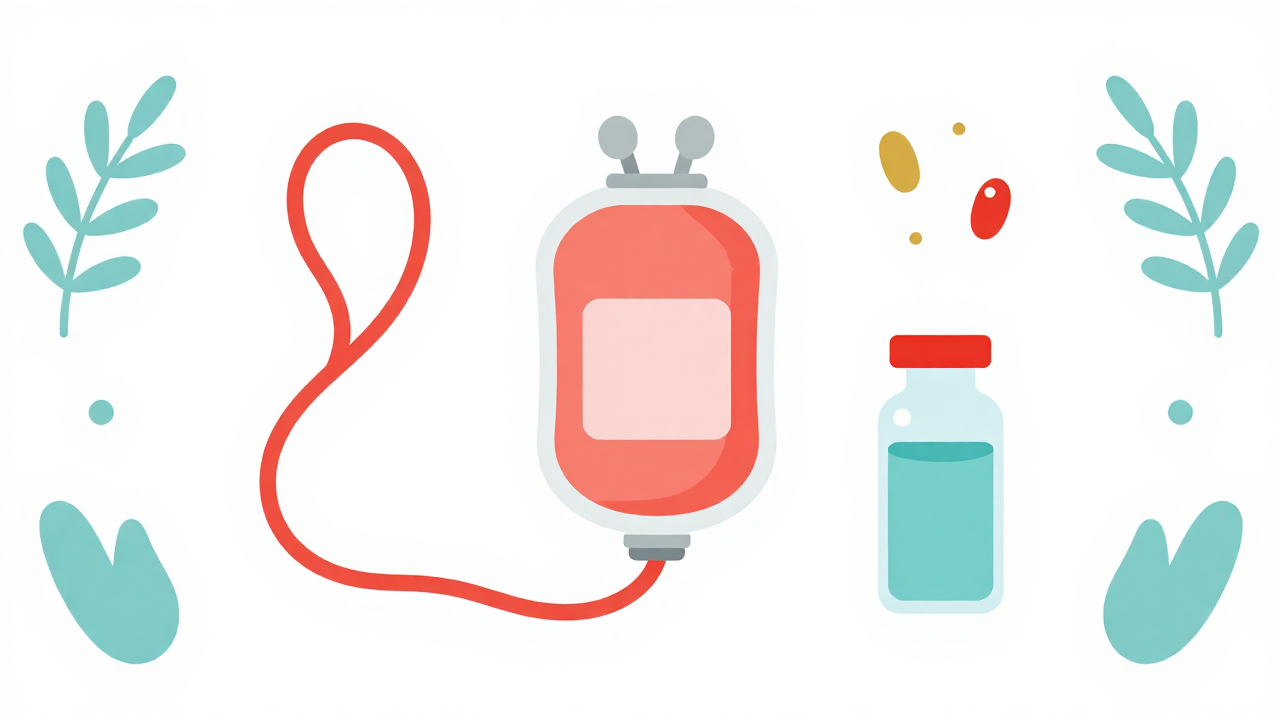
Cord Blood Awareness Month, observed throughout July, shines a light on the life-saving potential of umbilical cord blood. After a baby is born, cord blood that might otherwise be discarded can be collected and stored because it contains blood-forming stem cells. These cells may be used in certain treatments for diseases such as leukemia, lymphoma, and some inherited disorders.
Throughout the month, families, healthcare professionals, and advocates are encouraged to learn more about cord blood donation, private banking, and the choices available to expectant parents. The observance also recognizes donors and transplant recipients while promoting informed conversations about how cord blood donations can support patients in need and contribute to advances in medical care.
History
Cord Blood Awareness Month is observed throughout July to promote public understanding of umbilical cord blood and its medical uses. Cord blood is the blood remaining in the umbilical cord and placenta after birth, and it contains blood-forming stem cells that can be used in certain transplants. Historically, this material was often discarded after delivery, but researchers began investigating its potential as an alternative source of stem cells for treating serious blood and immune-system disorders.
The medical foundation for the observance developed during the 1980s. In 1988, doctors performed the first successful cord blood transplant on a child with Fanconi anemia, using cord blood donated by a sibling. That achievement demonstrated that cord blood could restore bone-marrow function and helped encourage further research into its collection, storage, and transplantation. During the following decades, public cord blood banks and private family banks expanded, while international donor registries made cord blood units available for patients who could not find a suitably matched bone-marrow donor.
The awareness month evolved from this broader growth in cord blood medicine and from efforts by transplant organizations, researchers, cord blood banks, and patient advocates to explain donation and banking choices to expectant parents. Its educational focus generally includes how cord blood is collected after birth without altering the delivery process, the difference between public donation and private storage, and the conditions for which cord blood transplants may be considered. Because policies and medical recommendations vary by country and institution, July campaigns also encourage families to consult qualified healthcare professionals rather than relying on promotional claims alone.
Culturally, Cord Blood Awareness Month reflects changing attitudes toward birth-related biological materials and medical donation. It presents cord blood as a possible resource that can connect one family’s childbirth experience with lifesaving treatment for another patient, while also acknowledging the ethical, financial, and practical questions surrounding private banking. Over time, the observance has helped bring cord blood transplantation into public conversations about regenerative medicine, childhood illness, donor participation, and the continuing development of cellular therapies.