Bioterrorism / Disaster Education and Awareness Month
United States
About
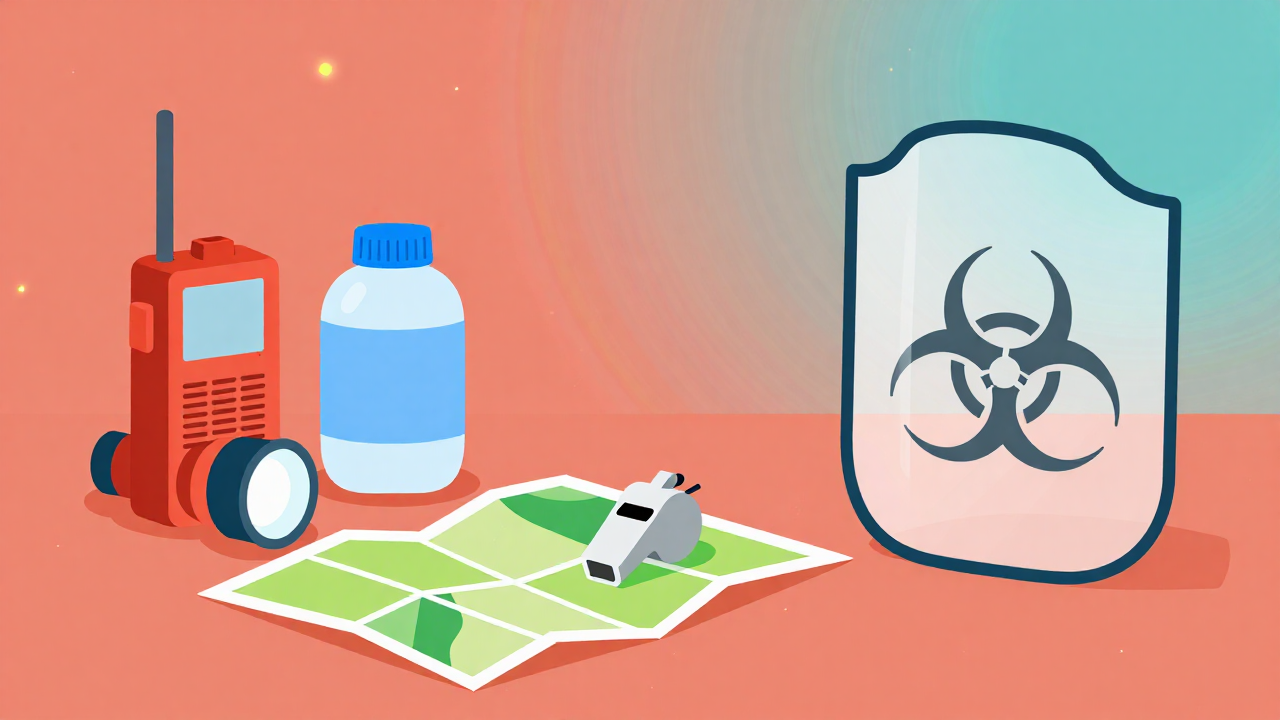
Bioterrorism / Disaster Education and Awareness Month is observed throughout July as a time to build knowledge, preparedness, and resilience in the face of biological threats and other emergencies. The observance encourages people to learn how disasters can affect communities, understand reliable sources of emergency information, and become familiar with practical steps that can help protect health and safety.
Throughout the month, families, schools, workplaces, and community organizations are encouraged to discuss emergency plans, assemble essential supplies, and learn how to respond calmly during a crisis. It also highlights the important roles of public health professionals, first responders, emergency managers, and neighbors working together to prevent harm and support recovery. By turning awareness into preparation, July offers an opportunity for everyone to help create safer, stronger, and more resilient communities.
History
Bioterrorism / Disaster Education and Awareness Month is observed throughout July as a period for learning about biological threats, emergency preparedness, and the public-health consequences of disasters. Its subject reflects the overlap between intentional biological attacks and naturally occurring or accidental outbreaks: in each case, communities depend on early detection, reliable information, medical readiness, and coordinated emergency response. The observance encourages people to understand how public-health agencies, first responders, hospitals, laboratories, and government institutions work together during a crisis.
The historical importance of the observance is rooted in the long history of biological hazards and the development of modern disease surveillance. Although disease has always affected human societies, advances in microbiology during the nineteenth and twentieth centuries made it possible to identify pathogens and understand how they spread. At the same time, governments recognized that infectious agents could be misused during conflict. The twentieth century therefore brought international efforts to prohibit biological weapons, including the 1972 Biological Weapons Convention, while public-health systems expanded their capacity to investigate unusual outbreaks and protect populations.
Awareness of bioterrorism increased significantly in the United States and elsewhere during the late twentieth and early twenty-first centuries. The 2001 anthrax attacks demonstrated how a small number of contaminated letters could create widespread fear, disrupt public institutions, and require cooperation among postal authorities, law-enforcement agencies, medical professionals, and health departments. These experiences contributed to stronger emergency-planning programs, improved laboratory networks, stockpiles of medicines and vaccines, and greater attention to risk communication. Later public-health emergencies, including the COVID-19 pandemic, further emphasized the importance of preparedness for disasters whose effects can extend across communities and national borders.
Over time, the July observance has come to represent a broad educational purpose rather than a focus on bioterrorism alone. It promotes practical readiness—such as maintaining emergency supplies, learning how to receive official alerts, understanding basic infection-prevention measures, and making plans for vulnerable family members—while also highlighting the civic importance of accurate information. Its cultural significance lies in connecting national security with public health: effective protection depends not only on specialized agencies but also on informed communities that can respond calmly, recognize credible guidance, and support one another during emergencies.