Seward’s Day
United States
About
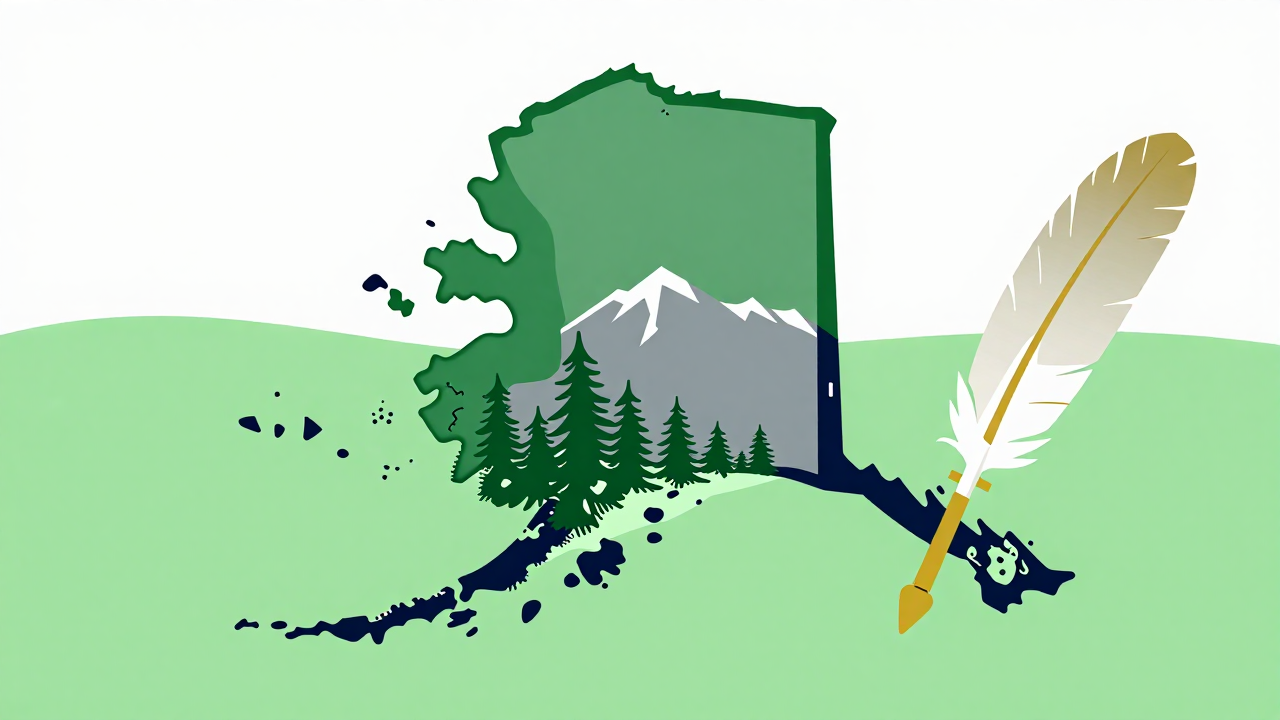
Seward’s Day, celebrated on March 29, is a day of reflection and appreciation for the remarkable contributions of William H. Seward, the U.S. Secretary of State who played a pivotal role in the acquisition of Alaska from Russia in 1867. This observance, particularly cherished in Alaska, honors the vision and foresight of Seward, who believed that the vast, rugged terrain of Alaska held untold potential for the United States. His efforts not only expanded the nation’s territory but also paved the way for the rich cultural and natural heritage that Alaskans enjoy today.
On this special day, communities come together to celebrate Alaska's unique history and the spirit of adventure that defines the state. Festivities often include educational events, historical reenactments, and discussions about Seward’s legacy and the significance of the land he helped secure. It’s a time for Alaskans and visitors alike to embrace the beauty of their surroundings, reflect on the past, and consider the future of this magnificent state. As March 29 arrives each year, Seward’s Day serves as a reminder of the importance of vision and perseverance in shaping the world we live in.
History
Seward’s Day, observed on March 29, commemorates the purchase of Alaska from Russia in 1867, a historic agreement orchestrated by then-Secretary of State William H. Seward. The acquisition, often referred to as "Seward's Folly" or "Seward's Icebox," involved the United States paying $7.2 million for approximately 586,000 square miles of territory. At the time, many critics viewed this purchase as a misguided venture, believing the land to be barren and inhospitable. However, the discovery of gold, oil, and other resources in the decades that followed transformed Alaska into a vital asset for the United States.
Over the years, Seward’s Day has evolved from a relatively obscure observance into a significant celebration of Alaskan identity and heritage. Initially, the day was marked primarily by government officials and local communities in Alaska, but as the state grew in population and importance, the observance gained wider recognition. In 1917, Alaska's legislature officially designated March 29 as Seward's Day, establishing it as a holiday to honor not only the purchase but also the contributions of Seward himself. Today, many Alaskans celebrate the day with various activities, including educational programs, parades, and community gatherings, highlighting the state's rich history and cultural diversity.
The cultural significance of Seward’s Day extends beyond mere commemoration of a historical event; it serves as a reminder of Alaska's journey toward statehood and its unique position within the United States. The observance fosters a sense of pride among Alaskans, celebrating their heritage and the diverse cultures that have shaped the state's identity over the years. This day also encourages reflection on the relationships between Indigenous peoples and settlers, as well as the ongoing evolution of Alaska as a state.
As Seward’s Day continues to be observed each year on March 29, it remains a pivotal moment for Alaskans to celebrate their history, recognize the importance of the land they inhabit, and look forward to the future. The day is a testament to how a seemingly simple acquisition can lead to rich cultural and historical significance, shaping the narrative of a state that remains an integral part of the American story.