Saint Basil's Day
Greece, Russia, Armenia, Georgia, Bulgaria
About
Saint Basil's Day, celebrated on January 2, is a wonderful occasion that honors the life and legacy of Saint Basil the Great, one of the most revered figures in the Christian tradition. Known for his exceptional contributions to theology and his efforts in promoting social justice, Saint Basil was a fourth-century bishop who dedicated his life to serving others and shaping the early Church. His teachings on compassion, generosity, and community continue to resonate with people today, making this day a perfect opportunity to reflect on these values.
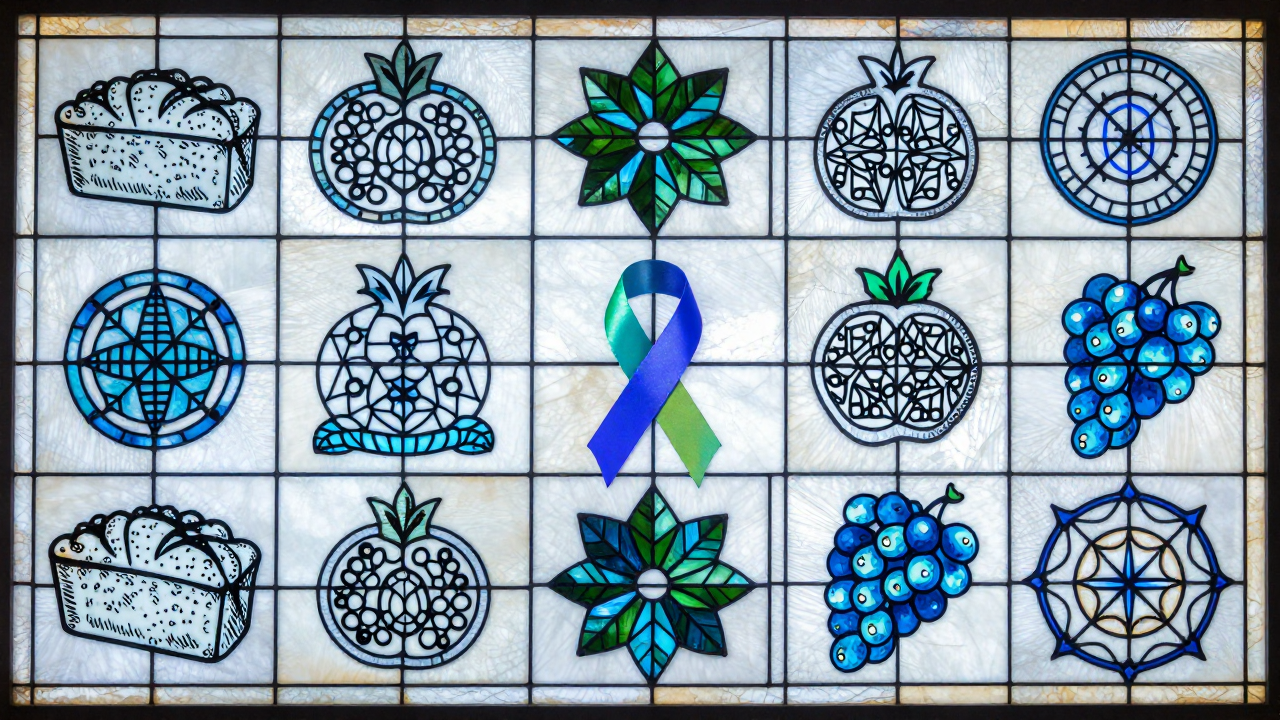
On this day, many families and communities come together to celebrate with special meals and traditions. In some cultures, it’s customary to prepare a sweet bread known as "Vasilopita," which is often baked with a coin hidden inside. The person who finds the coin is said to receive good luck for the year ahead! Saint Basil's Day is not only a time for feasting but also a moment to engage in acts of charity and kindness, embodying the spirit of Saint Basil himself. As you gather with loved ones on January 2, take a moment to honor the virtues of compassion and generosity that this day represents, fostering a sense of community and connection.
History
Saint Basil's Day, observed on January 2, honors Saint Basil the Great, one of the most influential figures in early Christianity. Born around 330 AD in Caesarea, Cappadocia (modern-day Turkey), Basil was a theologian, bishop, and a key architect of monasticism in the Eastern Orthodox Church. His contributions to Christian doctrine, particularly regarding the Trinity, were significant during the early Church's formative years. Saint Basil's Day is particularly important in the Eastern Orthodox and Eastern Catholic traditions, where it is celebrated as a day of reflection and reverence for his teachings and life.
The origins of the observance can be traced back to the early Christian communities that recognized the sanctity of Basil's contributions. He was canonized shortly after his death in 379 AD, and his feast day was initially celebrated on January 1. However, as the liturgical calendar evolved, the feast was moved to January 2 in some traditions to distinguish it from the celebration of the Circumcision of Christ on January 1. Over the centuries, this day became a time for the faithful to gather for church services, to reflect on Saint Basil's teachings, and to engage in charitable acts, underscoring the values of compassion and community service he espoused.
Culturally, Saint Basil's Day carries a rich significance, particularly in countries with strong Orthodox Christian traditions, such as Greece and Russia. In Greece, it is customary to bake a special cake called "Vasilopita," which is traditionally sliced on this day. The cake often contains a hidden coin, and the person who finds it is believed to receive good fortune for the coming year. This ritual not only honors Saint Basil but also reinforces the themes of generosity and sharing, aligning with his legacy of caring for the needy. In Russia, the day is marked with special church services and communal meals, emphasizing the importance of community bonding and spiritual reflection.
As society continues to evolve, Saint Basil's Day remains a significant observance within the Orthodox Christian calendar. It serves as a reminder of the enduring impact of Saint Basil's teachings and the importance of faith, community, and charity. The celebration on January 2 thus not only commemorates a saint but also invites individuals to engage in acts of kindness and reflection in the spirit of the values he championed throughout his life.