Ancestry Day
United States, Canada, Australia
About
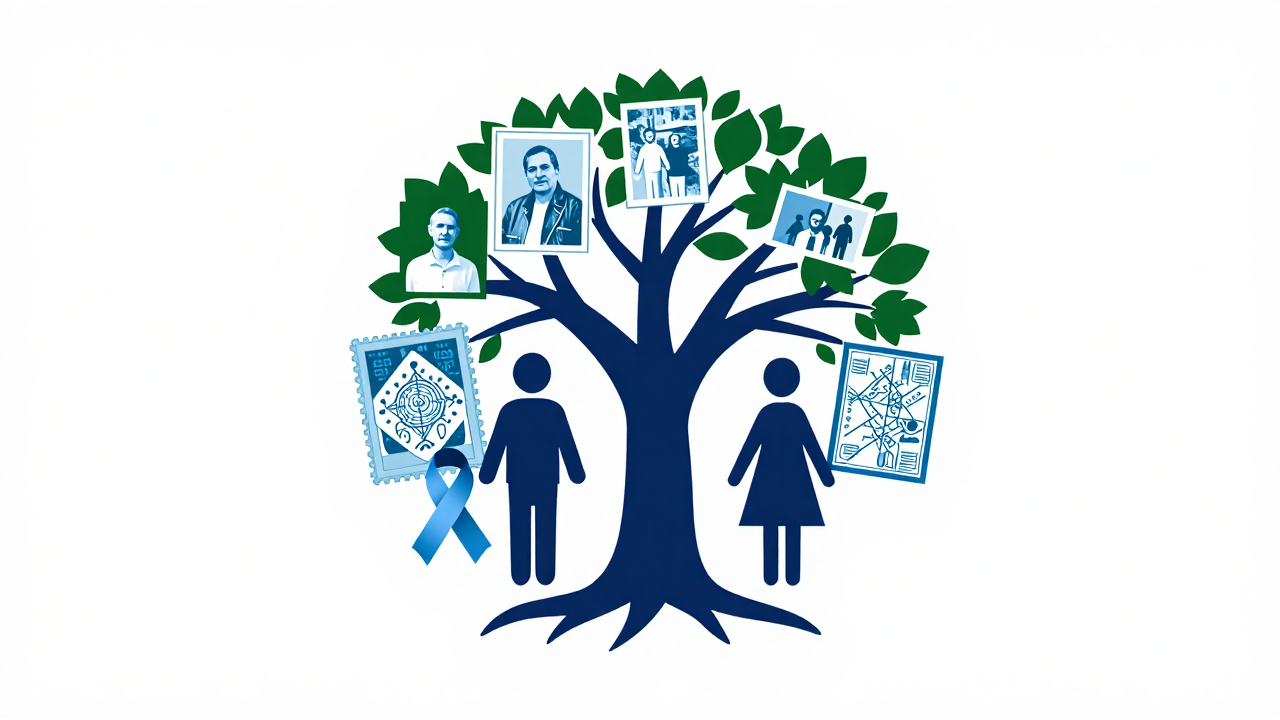
Ancestry Day, celebrated on January 2, is a heartfelt observance that encourages individuals and families to explore their roots and celebrate their heritage. This special day invites everyone to reflect on their lineage, share stories of their ancestors, and honor the traditions passed down through generations. It’s a wonderful opportunity to reconnect with family history, whether through research, storytelling, or simply spending time with loved ones discussing the legacies that shape who we are today.
As you gather around on this meaningful day, consider diving into the world of genealogy. Many people take the time to dig through family records, photographs, and heirlooms, uncovering fascinating tales of their ancestors’ lives. Ancestry Day not only fosters a deeper appreciation for one’s background but also strengthens familial bonds as stories and experiences are shared. So, on January 2, take a moment to celebrate your ancestry and the diverse tapestry of history that makes you uniquely you!
History
Ancestry Day, observed on January 2, serves as a dedicated occasion for individuals and families to reflect upon their heritage and explore their genealogical roots. The origins of Ancestry Day can be traced back to the growing interest in genealogy and family history that gained momentum in the late 20th century. With the advent of the internet and various online platforms, the ability to research personal ancestry became increasingly accessible. This observance was established to encourage people to engage with their family histories, celebrate their unique backgrounds, and promote the importance of understanding one’s lineage.
Over time, Ancestry Day has evolved from a simple day of family reflection to a broader movement that emphasizes the significance of cultural heritage. Various organizations and family history societies have embraced this day to host events, workshops, and online resources that guide individuals in their genealogical pursuits. By fostering a sense of community around ancestry research, Ancestry Day has helped to create networks of like-minded individuals who share a passion for uncovering their pasts and sharing their findings with others. This evolution highlights a collective desire to connect with heritage and preserve the stories of previous generations.
Culturally, Ancestry Day holds significant importance as it encourages people to honor their ancestors and recognize the diverse backgrounds that contribute to their identities. Celebrating ancestry fosters a sense of belonging and understanding, particularly in multicultural societies where individuals may have varied lineages. The observance also promotes dialogue around family histories, often leading to the sharing of stories, traditions, and values that have been passed down through generations. As participants engage in activities ranging from family tree building to storytelling, they reinforce the bonds that tie them to their heritage.
In conclusion, Ancestry Day, observed on January 2, stands as a meaningful occasion to celebrate personal and familial histories. Its origins in the genealogy movement reflect a broader societal interest in understanding one's roots. As the observance continues to evolve, it plays a vital role in fostering connections among individuals and communities, allowing people to embrace their diverse heritages while promoting the importance of remembering and honoring their ancestors.