Philippines Independence Day
Philippines, United States, Canada
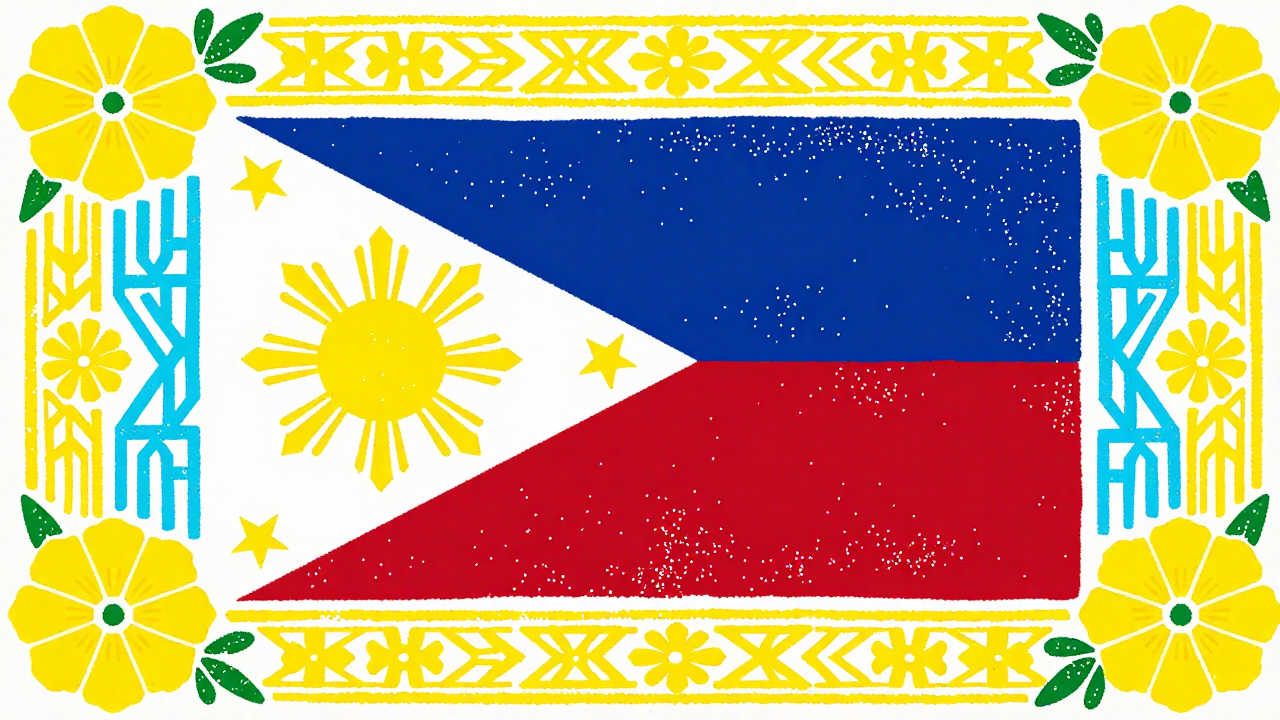
About
Philippines Independence Day, celebrated on June 12, is a vibrant and significant occasion that marks the nation’s liberation from Spanish colonial rule in 1898. This day is a heartfelt tribute to the bravery and sacrifices of countless Filipinos who fought for their freedom, embodying the spirit of nationalism and pride that resonates through the archipelago. As communities come together to honor their heritage, festivities are filled with colorful parades, cultural performances, and the spirited singing of the national anthem, creating an atmosphere of unity and joy.
On this special day, Filipinos reflect on their rich history and cultural identity while looking forward to a future of hope and independence. From the raising of the flag to traditional dances and the sharing of delicious local cuisine, June 12 serves as a reminder of the resilience and strength of the Filipino people. Whether at home or abroad, the celebration of Philippines Independence Day fosters a sense of belonging and gratitude, inviting everyone to join in the festivities and appreciate the beauty of freedom and heritage.
History
Philippines Independence Day, celebrated annually on June 12, commemorates the declaration of independence from Spanish colonial rule in 1898. The origins of this observance trace back to the Philippine Revolution against Spain, which began in 1896. The revolutionaries, led by figures such as Emilio Aguinaldo, sought to liberate the archipelago from over three centuries of colonial domination. On June 12, 1898, Aguinaldo proclaimed the Philippines' independence in Kawit, Cavite, marking a significant turning point in the nation’s history. This proclamation was a bold statement of the Filipino people's aspiration for self-determination, and it was accompanied by the unfurling of the Philippine flag and the playing of the national anthem, "Lupang Hinirang."
The observance of Philippines Independence Day has evolved significantly since its inception. After the proclamation in 1898, the Philippines was soon embroiled in the Philippine-American War, which resulted in American colonization. Consequently, the celebration of independence was effectively suppressed until the country was granted Commonwealth status in 1935, leading to a revival of national pride and observance of the holiday. It wasn’t until 1962, under President Diosdado Macapagal, that June 12 was officially declared a national holiday, re-establishing its importance as a date of remembrance and celebration of Filipino identity and sovereignty.
Culturally, Philippines Independence Day holds profound significance for Filipinos both at home and abroad. It serves as a day of reflection on the sacrifices made by countless heroes who fought for freedom and justice. The observance is marked by various activities, including parades, ceremonies, and cultural performances that showcase Filipino heritage and values. Traditional foods, music, and dances are also integral to the celebrations, fostering a sense of unity and national pride among Filipinos. This day is not only a commemoration of historical events but also a reaffirmation of the ongoing journey toward national development and the promotion of democratic ideals.
As the Philippines continues to navigate modern challenges, June 12 remains a vital reminder of the importance of independence and the need to protect the freedoms that were hard-won. The day is a celebration of resilience, cultural identity, and collective memory, reinforcing the Filipino spirit and the enduring legacy of those who fought for a free and sovereign nation.