Doll Day
Japan
About
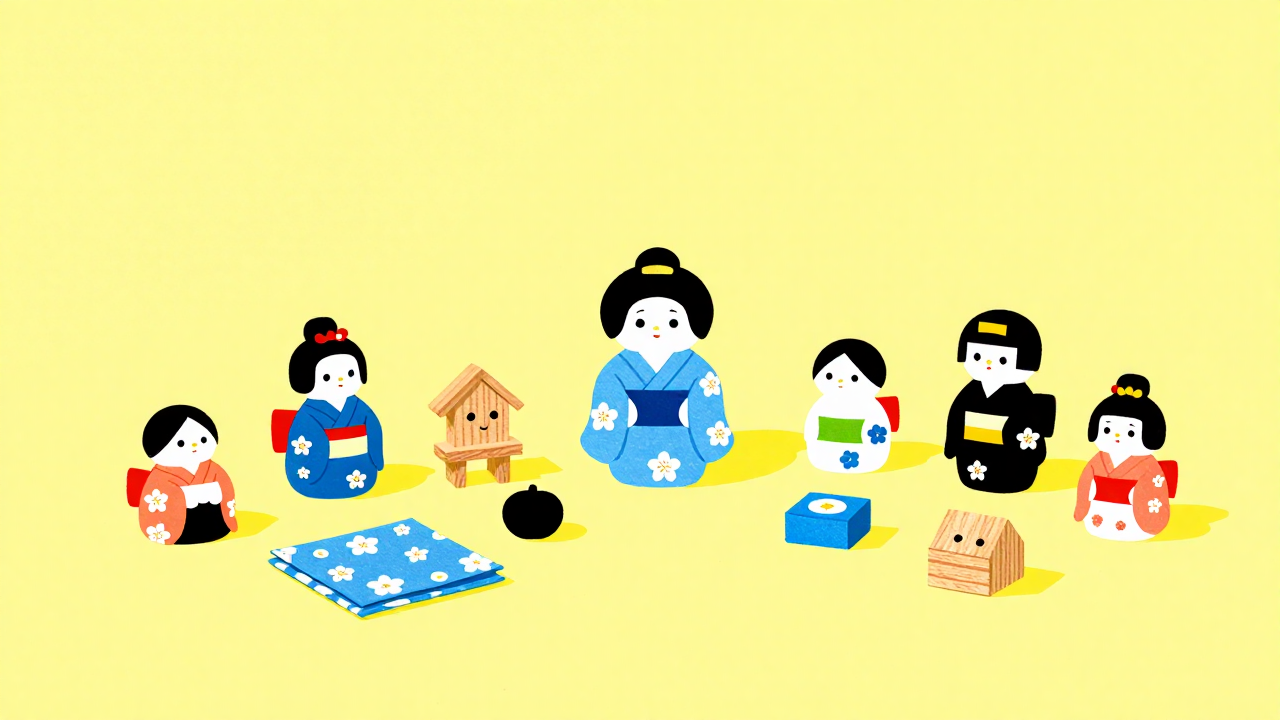
Doll Day, celebrated on June 12, is a delightful occasion that invites people of all ages to embrace the joy and nostalgia associated with dolls. This special day serves as a reminder of the cherished memories we create with these timeless toys, which have been beloved by children and collectors alike for generations. Whether it’s a cherished childhood companion or a stunning collectible, dolls hold a unique place in our hearts, sparking creativity and imagination in countless ways.
On Doll Day, enthusiasts are encouraged to showcase their favorite dolls, share stories, and even participate in community events that celebrate these delightful figures. From traditional porcelain dolls to modern action figures, this day highlights the diverse world of dolls and the important role they play in our lives. So gather your friends and family, dust off those old dolls, or explore new ones, and join in the celebration of Doll Day on June 12—a day dedicated to the magic of dolls and the joy they bring!
History
Doll Day, observed on June 12, is a celebration that has roots in the rich history of dolls as cherished toys and cultural artifacts. The origins of Doll Day can be traced back to the early 20th century, reflecting a time when dolls were not only playthings but also played a significant role in childhood development and societal norms. Historically, dolls have been crafted from various materials, including wood, cloth, and porcelain, and have served as both companions for children and representations of cultural identity. The observance emphasizes the importance of imaginative play and the connections children establish with their toys.
As Doll Day evolved over the decades, it became a day to honor not only the dolls themselves but also the values they represent, such as creativity, companionship, and nurturing. The observance has garnered attention from parents, educators, and doll enthusiasts who recognize the significance of dolls in storytelling and role-playing. In many cultures, dolls have been associated with rites of passage, providing a means for children to explore their social environments. This aspect of Doll Day encourages discussions about childhood experiences and the transition into adulthood.
Culturally, Doll Day serves as a reminder of the diversity found within the world of dolls. From the traditional rag dolls of various cultures to modern action figures, dolls reflect societal trends and values, often becoming collectibles that bridge generations. The day is marked by various activities, including doll-making workshops, exhibitions, and storytelling sessions that highlight the role of dolls in different cultures around the globe. By celebrating Doll Day on June 12, communities foster a deeper appreciation for the significance of dolls in human history and their impact on childhood development.
In summary, Doll Day is more than just a day for children to play with their dolls; it is a celebration of cultural heritage, childhood memories, and the timeless connection between children and their toys. Observed on June 12, this day invites reflection on the evolution of dolls, their role in society, and the joy they bring to generations. As the observance continues to grow in popularity, it remains a poignant reminder of the simple yet profound impact that dolls have on the lives of children and families worldwide.