Chaco Armistice
Paraguay
About
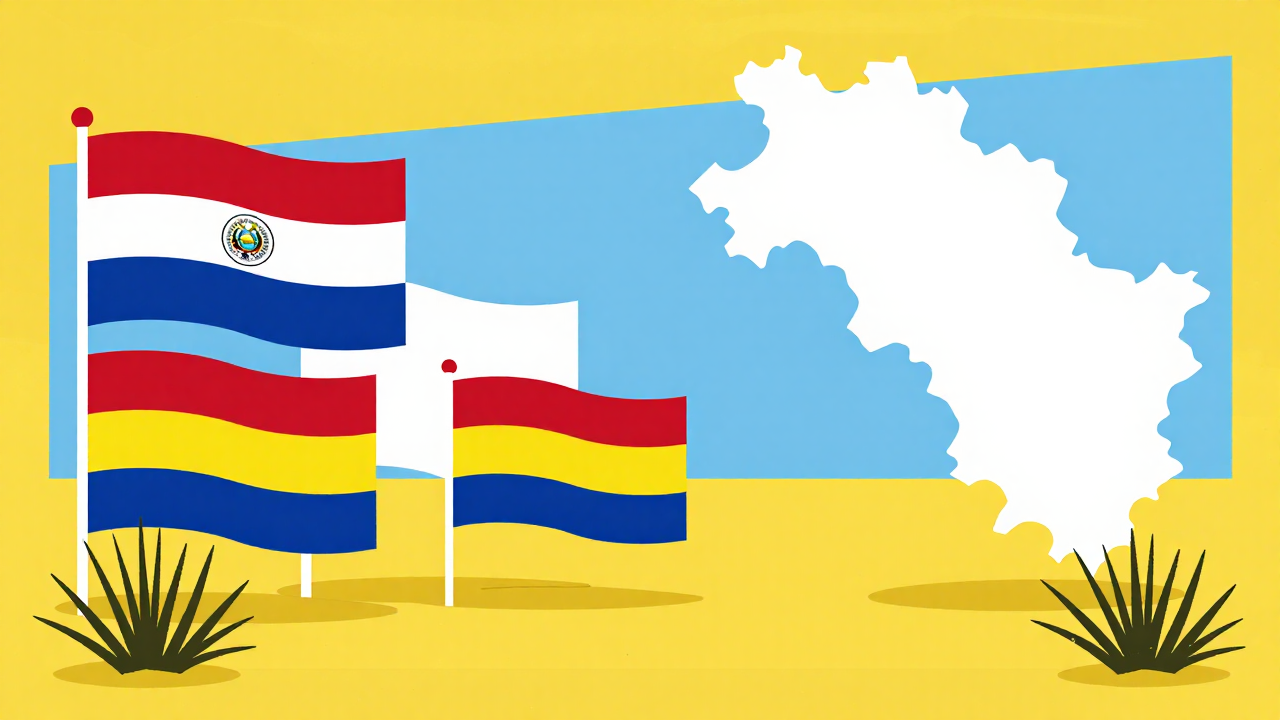
Chaco Armistice, observed on June 12, commemorates a significant moment in the history of Paraguay and Bolivia, marking the end of the Chaco War which raged between 1932 and 1935. This conflict was primarily fought over territorial disputes in the Chaco region, an area rich in resources yet harsh in its environment. The armistice brought an end to the hostilities, allowing both nations to begin healing and rebuilding their societies after years of strife. Celebrating this day serves not only as a reminder of the sacrifices made during the war but also highlights the importance of peace and diplomacy in resolving conflicts.
On this day, communities come together to reflect on the lessons learned from the past and to embrace the ideals of unity and cooperation. Events may include educational programs, cultural exhibitions, and moments of silence in honor of those who fought and lost their lives. Chaco Armistice serves as a powerful reminder of the resilience of the people and the enduring hope for a peaceful future. As we observe this day, we are encouraged to foster understanding and collaboration, ensuring that the sacrifices of history lead us towards a brighter tomorrow.
History
The Chaco Armistice is observed on June 12 each year, commemorating the peace agreement that effectively ended the Chaco War (1932-1935) between Bolivia and Paraguay. This brutal conflict arose over territorial disputes in the Gran Chaco region, a vast area rich in resources and seen as vital for both nations. The war was marked by harsh conditions and significant loss of life, leading to a desperate need for reconciliation and peace. The armistice, signed in 1935, laid the groundwork for future negotiations and eventual treaties that would resolve the territorial disputes.
The origins of the Chaco Armistice can be traced to the culmination of intense combat and the realization by both nations that continued fighting would yield devastating consequences without a clear victor. The armistice agreement, facilitated by the League of Nations, was a pivotal moment in South American diplomacy, showcasing the importance of international intervention in conflict resolution. Over time, the observance of this day has evolved into a symbol of peace and reconciliation, reflecting the lessons learned from the Chaco War and the significance of diplomacy over military conflict.
Culturally, the Chaco Armistice holds deep meaning, especially in Bolivia and Paraguay, where it serves as a reminder of the costs of war and the value of peace. It is a day for reflection on the sacrifices made by those who fought and a celebration of the enduring spirit of cooperation between the two nations. Various events, including ceremonies and educational programs, are held to honor the memory of the conflict and to promote peace initiatives. As such, June 12 has become not only a day of remembrance but also a moment to inspire future generations to prioritize dialogue and understanding in international relations.
In conclusion, the Chaco Armistice, observed on June 12, stands as a significant historical event that transformed the relationship between Bolivia and Paraguay. It serves as a powerful reminder of the importance of resolving conflicts through peaceful means, fostering a culture of cooperation that continues to resonate in contemporary South American diplomacy.