Philippine-American War Memorial Day
United States, Philippines
About
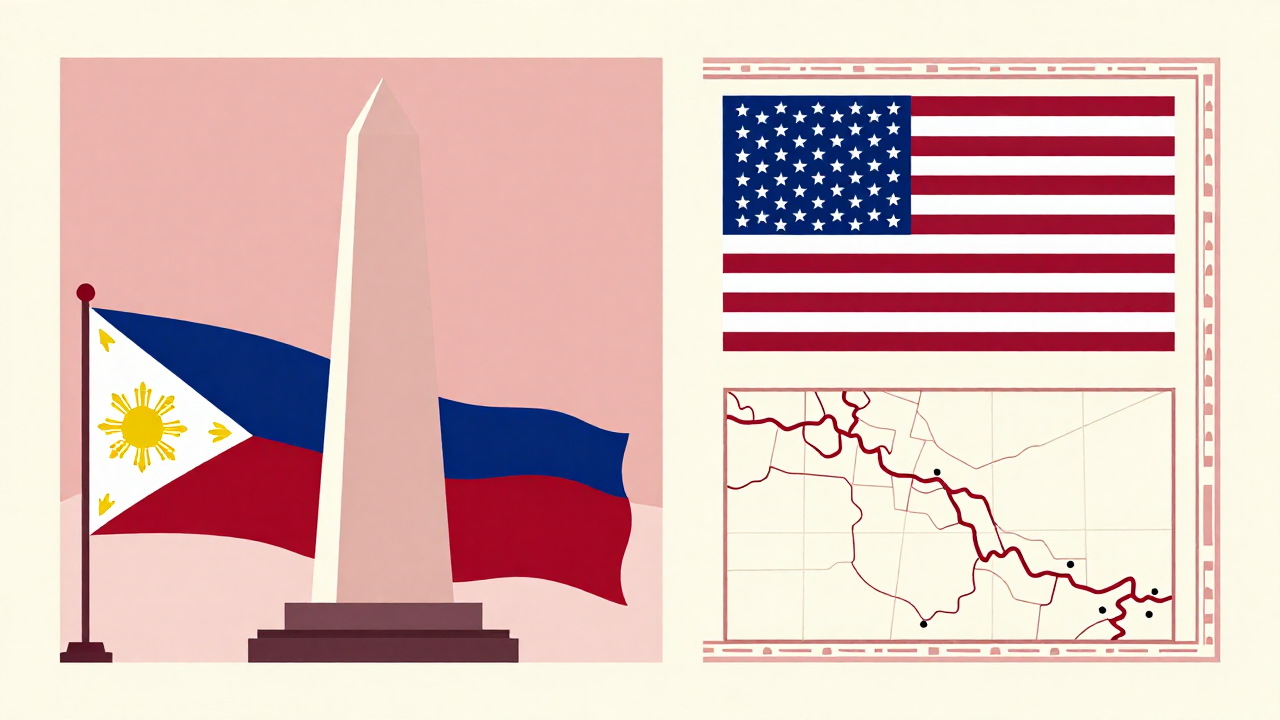
Philippine-American War Memorial Day, observed on February 4, is a poignant occasion that honors the bravery and sacrifice of those who fought during the Philippine-American War, which took place from 1899 to 1902. This conflict marked a significant chapter in the history of both the Philippines and the United States, as it involved the struggle for independence by the Filipino people against colonial rule. On this day, we reflect on the courage of the soldiers and civilians who played a role in shaping the nations' destinies, fostering a deeper understanding of the complex relationships between countries and cultures.
As we commemorate this day, communities come together to remember the stories and lessons of the past. Ceremonies, educational events, and gatherings may be held to honor the memory of those who served. It is a time for reflection, gratitude, and recognition of the ongoing journey toward peace and cooperation between nations. Philippine-American War Memorial Day serves as a reminder of the importance of understanding history, embracing cultural ties, and promoting harmony in our diverse world.
History
Philippine-American War Memorial Day is observed on February 4 each year to commemorate the beginning of the Philippine-American War, which started on this date in 1899. This conflict arose shortly after the United States took control of the Philippines following the Spanish-American War in 1898. The Philippine people, who had been striving for independence from Spanish colonial rule, found themselves facing a new colonial power in the United States. The war marked a significant struggle for Filipino sovereignty and was characterized by fierce battles, guerrilla warfare, and significant loss of life on both sides.
The origins of Philippine-American War Memorial Day can be traced back to the need to remember and honor the sacrifices made during the war. As the conflict progressed and eventually concluded in 1902, the repercussions of the war lingered in the Philippines, shaping national identity and sentiments toward colonialism. Initial observances were likely informal, rooted in local remembrance practices, but as the century turned and national consciousness evolved, formal commemorations began to take shape. By the late 20th century, efforts to acknowledge and educate the public about this often-overlooked chapter of history gained momentum, leading to the establishment of official observances.
Over the years, the significance of Philippine-American War Memorial Day has evolved, reflecting broader changes in how history is perceived and taught. It serves not only as a day of remembrance for those who fought and died in the conflict but also as an opportunity to engage in discussions about colonialism, national sovereignty, and the ongoing impact of historical events on contemporary Philippine society. Educational programs, community events, and memorial services are commonly held on February 4, fostering a sense of national pride and awareness of the sacrifices made by previous generations.
Culturally, the observance emphasizes the importance of collective memory in shaping national identity. It encourages Filipinos to reflect on their past, recognize the struggles for independence, and honor the resilience of their ancestors. Philippine-American War Memorial Day serves as a reminder of the complexities surrounding colonial relationships and the enduring quest for self-determination, making it a significant date in the Philippine calendar that resonates with both historical and contemporary issues.