Angola Liberation Day
Angola
About
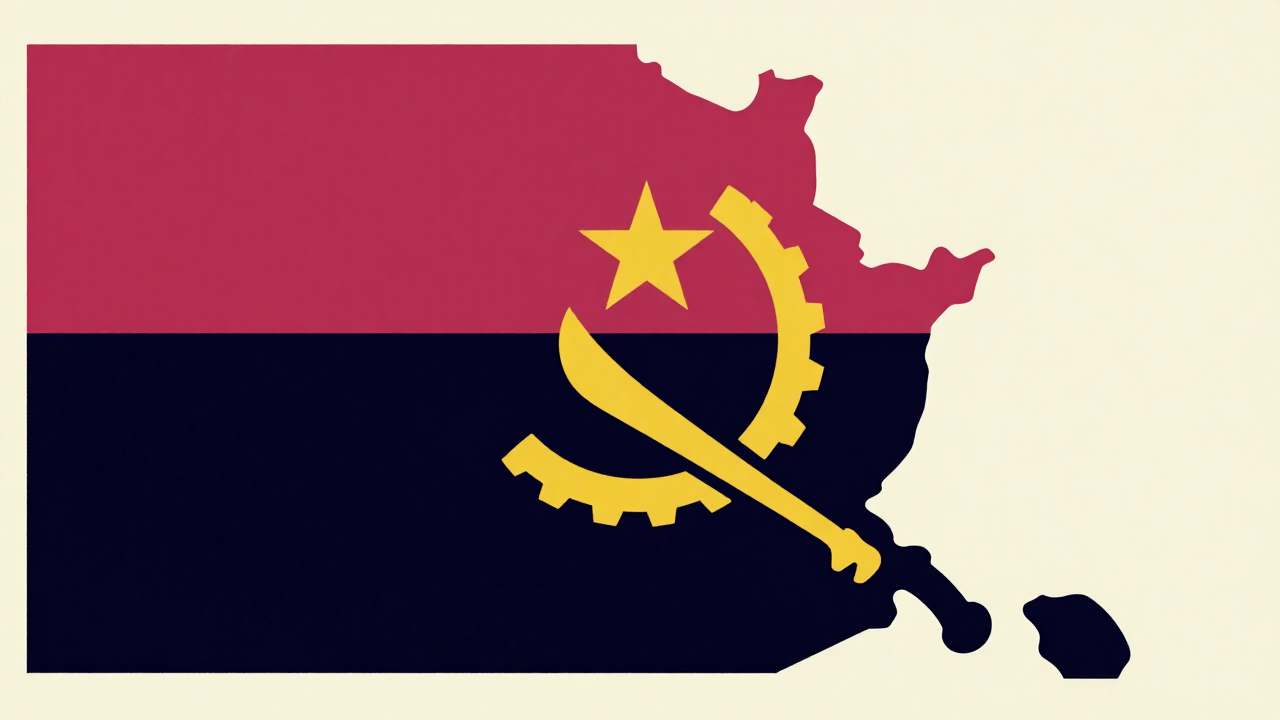
Angola Liberation Day, celebrated on February 4, marks a significant turning point in the nation's history. This day commemorates the beginning of the armed struggle against Portuguese colonial rule in 1961, which ultimately led to Angola's independence in 1975. The observance serves as a powerful reminder of the resilience and determination of the Angolan people who fought for their freedom and sovereignty. It is a day filled with pride, reflection, and appreciation for the sacrifices made by countless individuals during the struggle for liberation.
On this day, communities across Angola engage in various activities to honor their history and celebrate their cultural heritage. Ceremonies, educational events, and cultural performances are held, fostering a sense of unity and national identity. Families come together to share stories of their ancestors' bravery and the importance of freedom, while younger generations learn about their nation's past. Angola Liberation Day not only pays tribute to the heroes of the past but also inspires hope for a brighter future, as the nation continues to grow and thrive in its independence.
History
Angola Liberation Day, observed annually on February 4, commemorates the beginning of the armed struggle for independence from Portuguese colonial rule in 1961. The day marks the launch of a significant uprising led by the Popular Movement for the Liberation of Angola (MPLA), which played a crucial role in the country's fight for freedom. This movement emerged in response to the growing discontent among Angolans regarding colonial exploitation and repression, which had intensified over the years. The insurgency marked a turning point in Angola's history, as it catalyzed a prolonged conflict that ultimately led to the nation's independence in 1975.
Over the years, February 4 has evolved from a day of military significance to one of national pride and reflection. Initially observed mainly by political groups and freedom fighters, it has since become a day for all Angolans to celebrate their hard-won independence and reflect on the struggles endured during the colonial period. The observance of Angola Liberation Day has seen various transformations, including the inclusion of cultural activities, educational programs, and public commemorations designed to engage the broader population in understanding the sacrifices made for their freedom.
Culturally, Angola Liberation Day serves as a reminder of the resilience and determination of the Angolan people in their quest for autonomy. It is a day filled with national pride, where citizens participate in parades, speeches, and cultural performances that highlight Angola's rich heritage and diverse history. The observance fosters a sense of unity among Angolans, as they come together to honor their past and envision a brighter future. By recognizing the significance of this day, Angolans affirm their commitment to the values of independence, sovereignty, and national identity, which are foundational to the country's ongoing development.
In contemporary Angola, February 4 not only serves as a historical reference point but also as an opportunity to discuss ongoing social and economic issues facing the nation. As the country continues to navigate the challenges of post-colonial development, the lessons of the liberation struggle remain relevant, inspiring current and future generations to advocate for justice and equality. Angola Liberation Day thus encapsulates both a celebration of historical achievements and a call to action for continued progress, ensuring that the spirit of the struggle for independence lives on in the hearts and minds of all Angolans.